
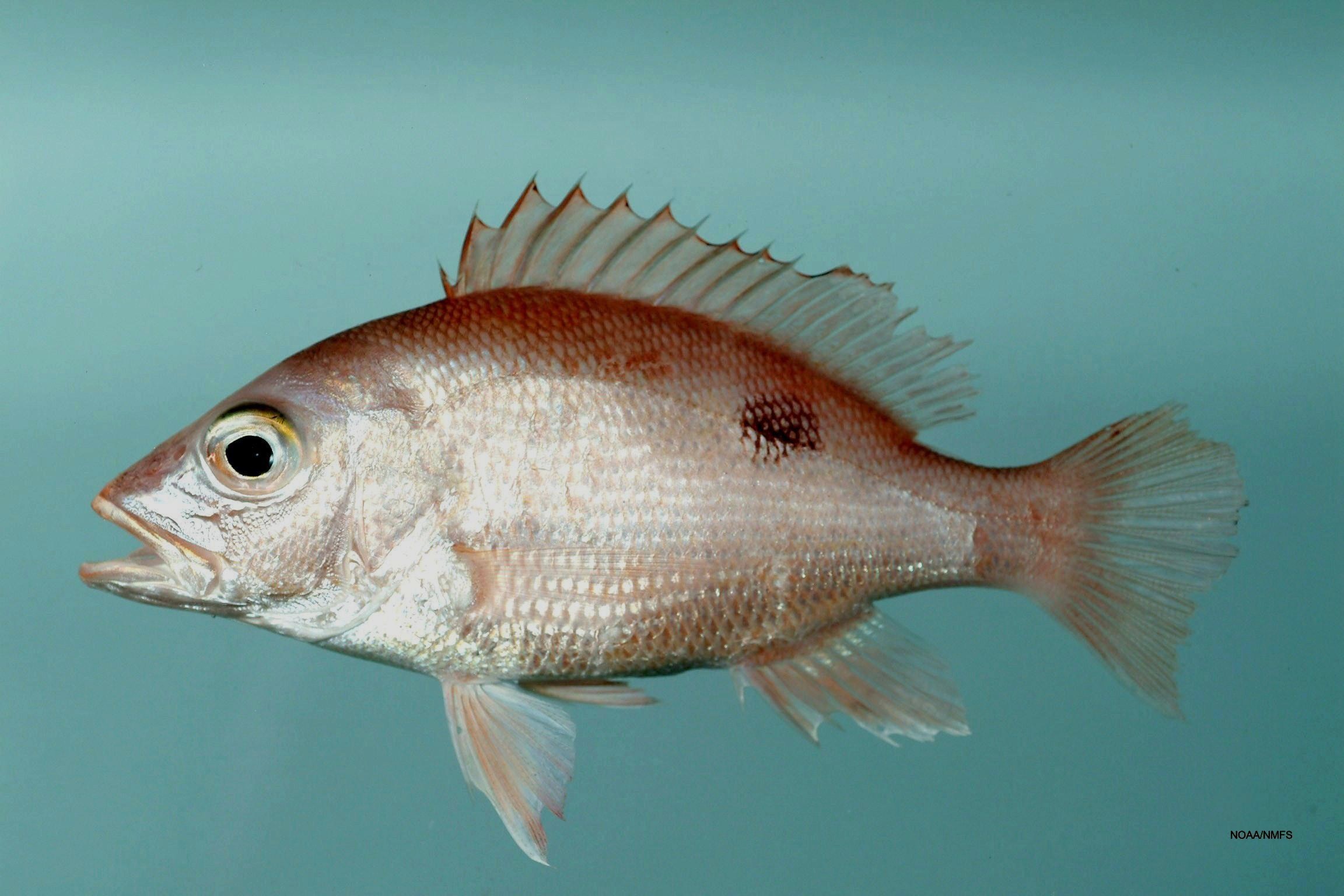
Red snapper season has opened and Panama City anglers are taking full advantage. The Gulf has settled into its early-summer pattern, Spanish mackerel are blitzing the beaches, and the inshore flats are producing reds and trout. Here is the week ahead on the water.
What’s Hitting
Red snapper are the offshore star with the season open — fast limits on the reefs and wrecks in 70–140 feet. Vermilion snapper, triggerfish, and gag grouper add to the bottom mix. Nearshore, Spanish mackerel and king mackerel are tearing through the bait pods along the beaches. Inshore, slot redfish, speckled trout, and flounder are working the grass flats and the St. Andrews Pass jetties.
Where to Find Them
Head to the public reefs and natural bottom in 70–140 feet for snapper. The beaches off the city pier and around the pass are loaded with Spanish on the glass-calm mornings. Inside St. Andrews Bay, the grass flats of West Bay and North Bay hold trout and reds, and the pass jetties produce flounder and snapper on the moving tide.
Tides & Conditions
Calm mornings have been the rule — run early and beat the sea breeze. Water temperature is in the low 80s, and the afternoon storm pattern is building daily. Pick settled days for the offshore snapper runs.
Tackle & Tactics
Drop cigar minnows or squid on a bottom rig with 50–80 pound leader for snapper. For Spanish on the beach, cast small silver spoons or Gotcha plugs and retrieve fast. Inshore, popping corks with live shrimp or soft plastics produce trout, while gold spoons and cut bait take the reds. Flounder eat a slow-dragged jig tipped with shrimp around the jetties.
Spots & Access This Week
St. Andrews Pass is the center of gravity for Panama City fishing, and the St. Andrews State Park ramp puts you right on it. The Carl Gray Park ramp and the Earl Gilbert Park ramp cover the bay, and the Panama City Marina is the practical base for anyone running offshore.
St. Andrews State Park also gives shore anglers direct access to the jetty, which is one of the most productive land-based spots anywhere on the Panhandle.
Fish have been concentrating in the pass on moving water and out on the reef structure through the heat of the day, with the bay grass edges producing early. Gulf reef species carry federal and state seasons that open and close on short notice and that differ between private, charter and for-hire anglers, and flounder has its own state closure period — check current FWC and Gulf federal regulations and confirm season status before keeping any fish.
Tactics That Are Working
On the reefs, a knocker rig with a 4/0 to 6/0 circle hook, 50-pound braid and cut squid or a live cigar minnow has been the efficient approach. Drop straight down on the numbers and lift hard on the bite — hesitation puts your fish into the structure.
In the pass, a small silver spoon or a bare half-ounce jig retrieved fast is all the Spanish mackerel require, and a short fluorocarbon bite leader rather than wire will noticeably increase your strike count at the cost of the occasional cutoff. Flounder along the rocks want a live bull minnow dragged slowly on a Carolina rig, and slow is genuinely the whole technique. In the bay, a popping cork with a shrimp imitation covers trout and reds on the grass with minimal fuss.
This Week’s Tip
When the Spanish are blitzing but won’t eat, downsize and speed up. A small 00 Clark spoon on a long fluorocarbon leader, retrieved as fast as you can crank, will draw strikes when the fish are keyed on tiny glass minnows and ignoring everything bigger.
More Panama City Resources
Panama City Fishing Guide · Panama City Seasonal Calendar · All Panama City reports →
Also read: Panama City Fishing Report — Week of July 30, 2026: Snapper Offshore, Trout on the Grass
Reports updated every Thursday on fishing.digital.
Planning a trip to Panama City?
This report tells you what happened. ReelAI tells you what to do about it — a briefing for your date, your target species and how you're fishing, built from our reports plus live NOAA and USGS data.
Powered by ReelAI — fishing.digital's intelligence layer. Answers are generated from fishing.digital reports and public NOAA, NWS and USGS data, and may be incomplete or out of date. Regulations and marine safety information are summaries only; always confirm with the responsible authority before you fish.