
Updated: Thursday, November 12, 2026 · Next update: Thursday, November 19, 2026
This Great Lakes fishing report is a seasonal outlook for the week of November 12, built on established late-fall patterns rather than verified tackle-shop counts. Mid-November is the heart of the Great Lakes gale season, and on many days the open water will be too rough for small boats. That pushes attention to the tributaries for steelhead, to harbors and breakwalls for brown and lake trout, and to night walleye fishing along shorelines when the wind allows.
What’s Hitting
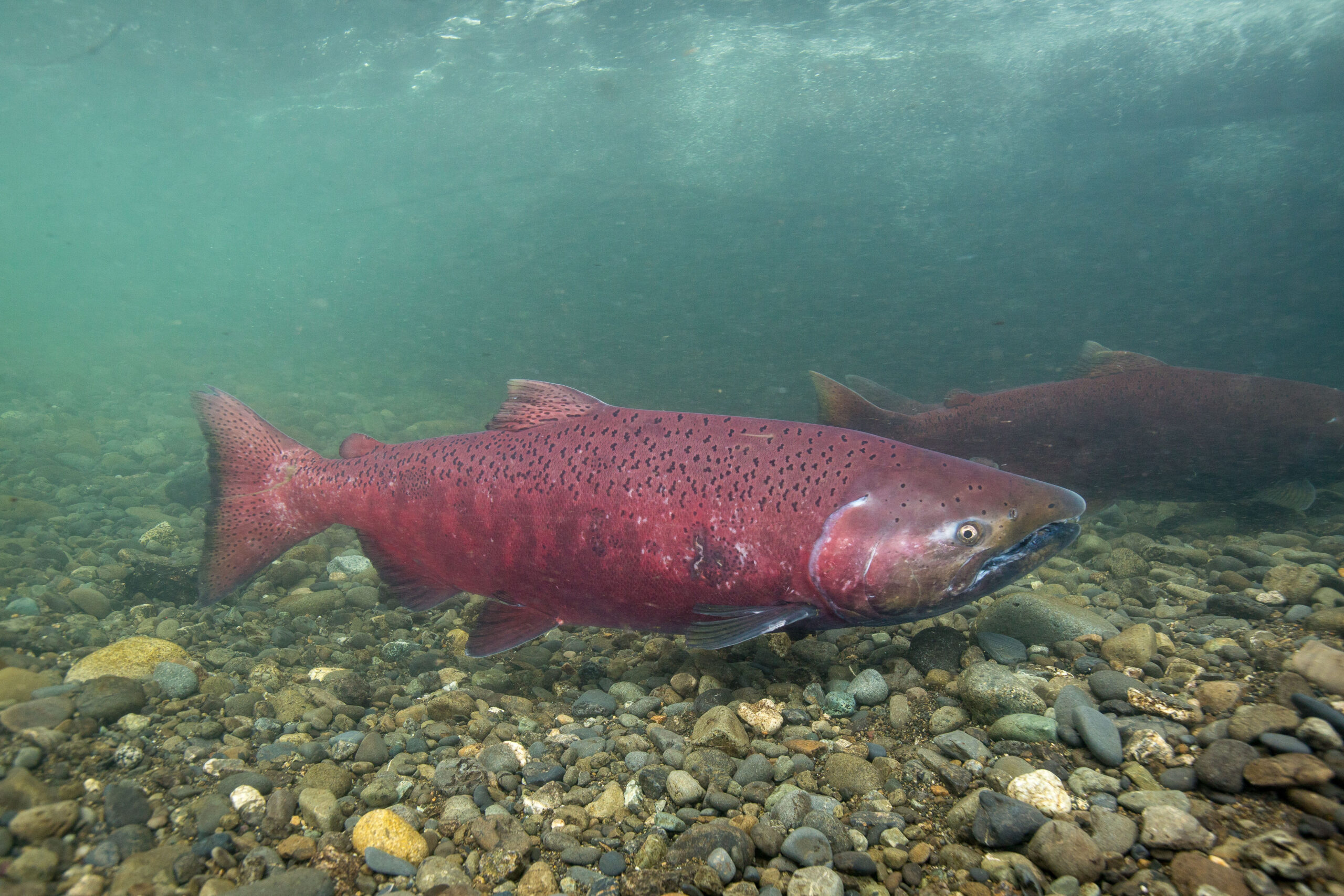
Steelhead are the leading story, running up Lake Michigan, Lake Erie and Lake Ontario tributaries after each rain event and holding in deeper pools and runs. Brown trout and some lake trout cruise near harbors, piers and warm-water discharges as the lakes cool. Walleye feed along nearshore reefs and shorelines at night, especially in Lake Erie’s central and western basins. Yellow perch can be caught in harbors and protected bays when the wind lays down. Expect activity to rise and fall with each front.
Where to Find Them
On Lake Michigan, rivers such as the St. Joseph, the Grand and the Manistee host steelhead in fall, while the piers at St. Joseph and Grand Haven provide shore access for trout. On Lake Erie, Pennsylvania’s Erie tributaries, often called Steelhead Alley, and Ohio’s Rocky River and Chagrin River are classic fall steelhead streams. Lake Ontario’s Salmon River in Pulaski, New York, draws steelhead and late-season brown trout. Nearshore reefs in Lake Erie’s western basin hold walleye at night.
Tides & Conditions
Wind and rain are the controlling variables. November gales can produce large waves and dangerous conditions on the open lakes, so check NWS marine forecasts and small craft advisories before launching. Rain raises tributary flows, bringing fresh steelhead upstream, while clearing water after a high flow often produces the best fishing. Cold nights steadily cool both lakes and rivers.
Tackle & Tactics
For steelhead, use a nine- to thirteen-foot float rod with spawn sacs, beads, jigs or small flies under a float, or swing streamers with a spey rod. Light fluorocarbon leaders help in clear water. On the piers, cast spoons or stickbaits for brown trout and lake trout. For night walleye, cast or troll shallow-diving stickbaits along reefs and shorelines. Dress for wet, cold conditions.
Local Intel This Week
Public piers at Grand Haven and St. Joseph give Lake Michigan shore anglers access to trout. Presque Isle State Park in Erie, Pennsylvania, offers bay and lake access, and the Erie tributaries have public fishing easements. Ohio’s Rocky River Reservation provides river access near Cleveland. Pulaski’s public access areas along the Salmon River are popular. Check current state and federal regulations and seasons before keeping fish. Never walk wave-washed piers during gales.
This Week’s Tip
Watch tributary flow gauges and plan your trip for the day after a rain event, when the water begins to clear. Steelhead often move upstream on the rise and settle into pools as the river drops. Bring a thermometer: steelhead feed more readily when the river is a few degrees warmer in the afternoon.
Planning a trip to Great Lakes?
This report tells you what happened. ReelAI tells you what to do about it — a briefing for your date, your target species and how you're fishing, built from our reports plus live NOAA and USGS data.
Powered by ReelAI — fishing.digital's intelligence layer. Answers are generated from fishing.digital reports and public NOAA, NWS and USGS data, and may be incomplete or out of date. Regulations and marine safety information are summaries only; always confirm with the responsible authority before you fish.