
Updated: Thursday, June 11, 2026 · Next update: Thursday, June 18, 2026
This Indian River Lagoon fishing report follows the classic mid-June pattern: low-light periods offer the most consistent action, and the dawn window is the one to plan around. Redfish school on the flats and work the mangrove shorelines and spoil islands on the higher tides, with a strong topwater bite before the sun gets high. Spotted seatrout sit on the deeper grass, snook offer catch-and-release sport around the inlets, and black drum and mangrove snapper fill in on structure. Watch for afternoon storms.
What’s Hitting
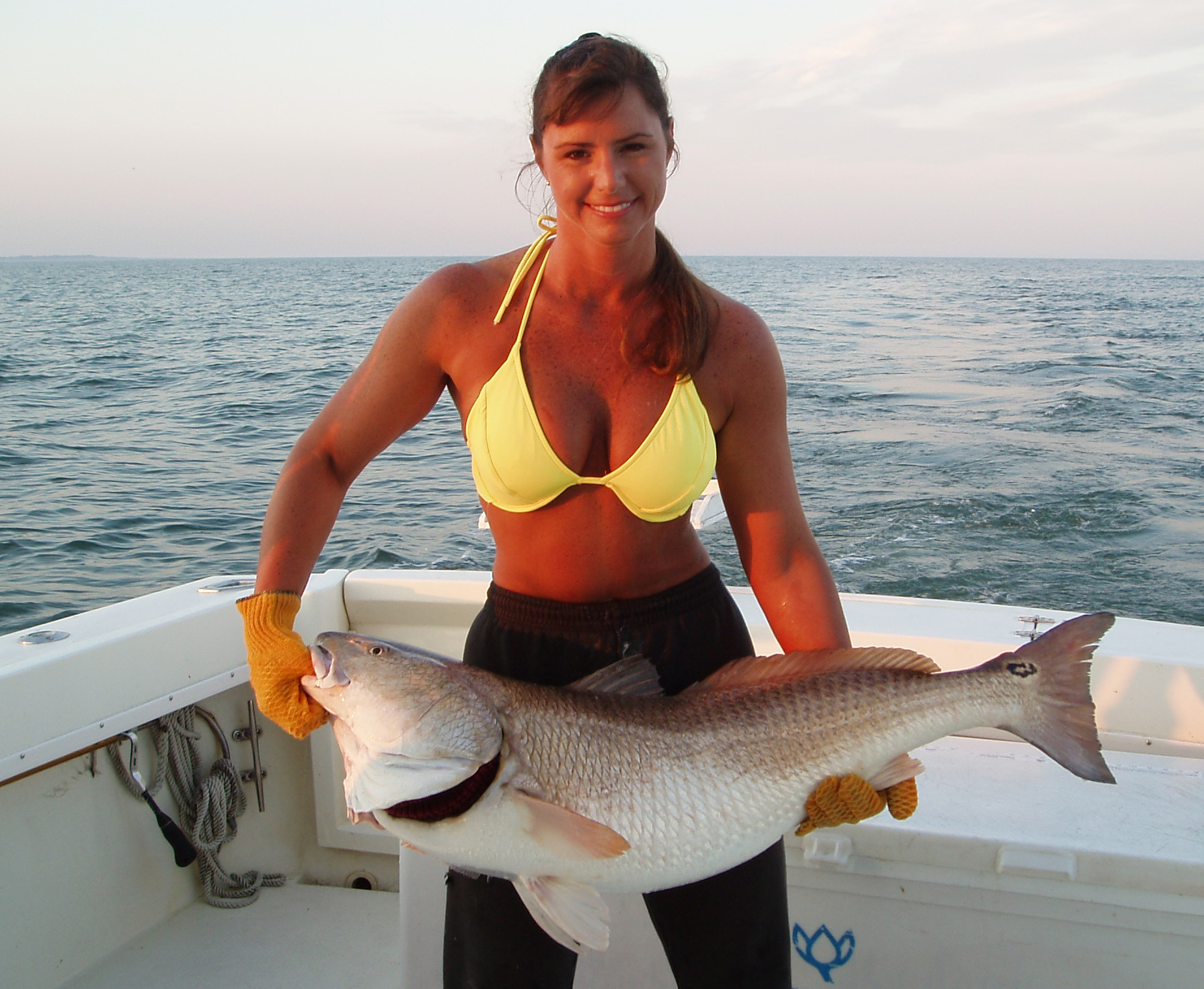
Redfish eat cut bait, live shrimp and gold spoons, and tailing and waking fish show on the flats early. Spotted seatrout are reliable on the deeper grass edges and potholes, with the better gator trout coming early on topwater and soft plastics.
Snook are around the inlets, docks and shoreline structure in good numbers, but the Atlantic season is closed, so all snook go back. Black drum sit around the bridges and docks, mangrove snapper move onto the structure in fishable numbers, and jack crevalle and ladyfish keep rods bent when the gamefish go quiet. A few tarpon roll in the inlets.
Where to Find Them
Look for reds tailing the flats between Wabasso and Sebastian and along the spoil islands on the ICW, and for snook tight to the spoil islands and mangrove edges. Around Sebastian Inlet, snook and the occasional tarpon work the moving water, and trout scatter across the deeper grass on the higher tides.
Farther north, target the flats south of the Max Brewer Causeway, the edges of the Indian River channel and the shorelines near the railroad trestle, with the best action off the flats at first light.
Tides & Conditions
Summer heat makes dawn and dusk the windows to fish. Lagoon water warms fast, and the fish slide deep by midday; trout move to the deeper grass, and the bite there favors live shrimp under a popping cork.
On the northern flats, wind direction sets the menu. A light east wind pushes clean water and bait onto the west-side flats, while a west wind does the opposite, so pick your side of the lagoon based on the overnight breeze, not habit.
Tackle & Tactics
- Reds: a weedless soft plastic or gold spoon eased ahead of a tailing fish; cut bait and live shrimp work too.
- Trout: topwater and soft plastics early, live shrimp under a popping cork once the sun is up.
- Snook: flair-hawks and live bait through the current, or whitebait and a twitchbait on the spoil-island points.
- Black drum: dead shrimp on the bottom around bridges and docks.
Local Intel This Week
The Wabasso Causeway ramp puts you on the flats between Wabasso and Sebastian, and the Main Street ramp in Sebastian is the quickest access to the inlet, the Sebastian flats and the ICW spoil islands. Round Island Riverside Park south of Vero Beach launches onto the southern lagoon flats and mosquito-impoundment shorelines. Up north, Parrish Park in Titusville is the main gateway, the Haulover Canal ramp connects to Mosquito Lagoon, and shore and wade access along the causeways works when the wind lays down. Catch-and-release stewardship matters in the lagoon’s recovering system.
Check current FWC and federal regulations and seasons before keeping fish.
This Week’s Tip
Get on the flats at first light and look for tailing and waking reds before the sun gets high. Ease a weedless soft plastic or a gold spoon a few feet ahead of the fish and let it settle into its path.
Planning a trip to Indian River Lagoon?
This report tells you what happened. ReelAI tells you what to do about it — a briefing for your date, your target species and how you're fishing, built from our reports plus live NOAA and USGS data.
Powered by ReelAI — fishing.digital's intelligence layer. Answers are generated from fishing.digital reports and public NOAA, NWS and USGS data, and may be incomplete or out of date. Regulations and marine safety information are summaries only; always confirm with the responsible authority before you fish.