
Summer fishing is hitting its stride out of Ocean City. The summer flounder (fluke) bite has been the inshore highlight, with fish coming from the back bays, the inlet, and the channels on Gulp baits and minnow-squid combos. The larger keeper-class fish have favored the inlet and the deeper channel edges on the moving tide.
Offshore over the wrecks and reef sites, the sea bass are hitting well, providing steady bottom action and good table fare on clams and squid. A few tautog are mixed in around the structure for anglers working the bottom carefully.
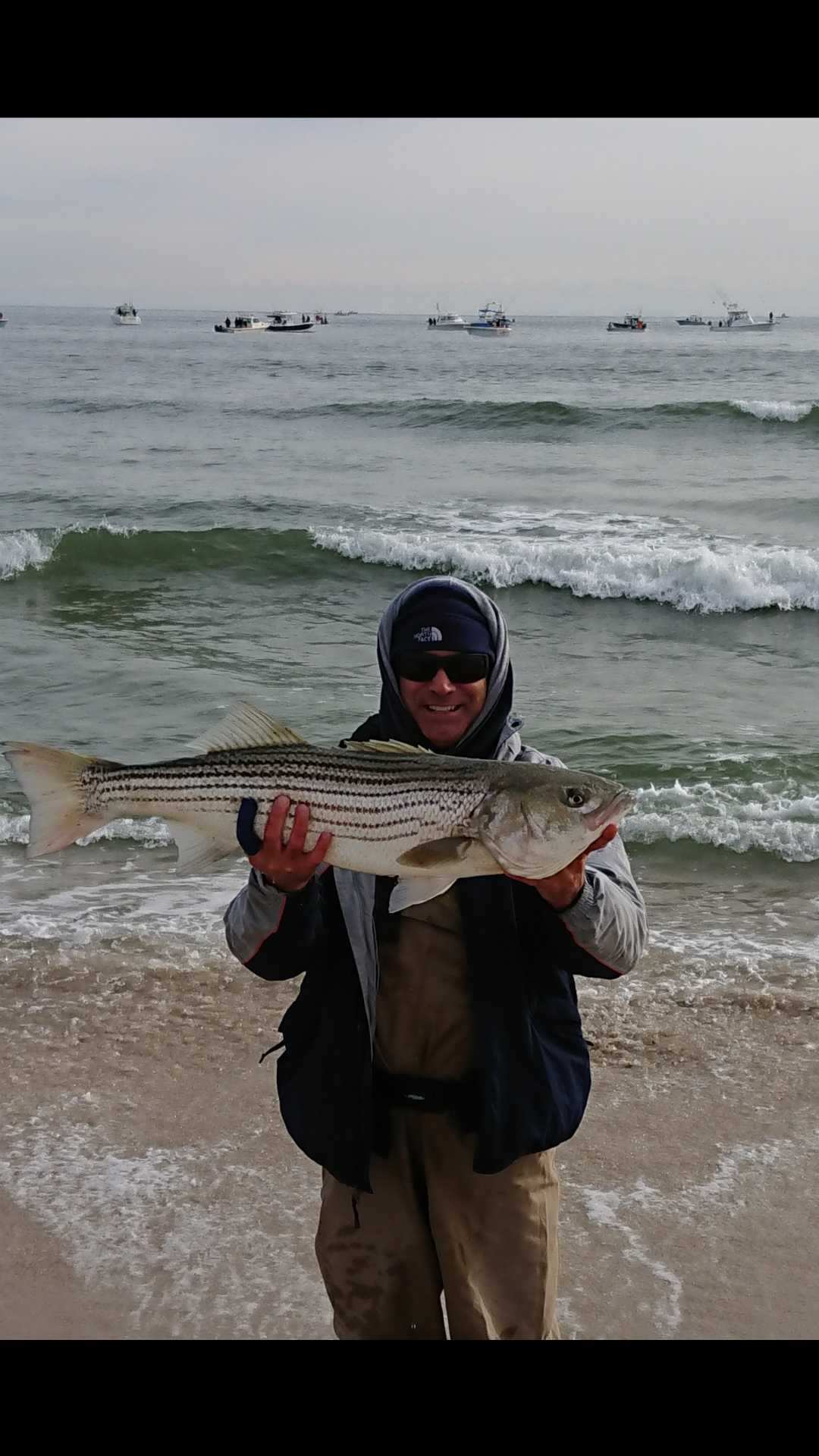
Striped bass are around the inlet, the Route 50 bridge, and the back-bay structure on bucktails and live bait, while bluefish are blitzing bait pods in the inlet and along the beaches, offering fast light-tackle action. Anglers should review current striped bass regulations before keeping fish.
The offshore canyon scene is warming up, with the first tuna and a few early mahi being reported on the troll out at the deep edges as the warm water pushes in. The nearshore kingfish (sea mullet) and croaker action in the surf has been a fun bonus for beach anglers.
Plan around the weather windows for the offshore runs and fish the moving tides for fluke. The flounder and sea bass bite should keep building as the water warms through June.
Spots & Access This Week
The West Ocean City public ramp on Sunset Avenue is the main launch for the back bays and the inlet, with the Third Street ramp in Ocean City as the in-town alternative. Both get busy on summer weekends, so an early arrival is worth the alarm. For flounder, the Thorofare, the East Channel, and the drop-offs near the Route 50 bridge are the reliable drifts on the outgoing tide. Shore anglers have real options here: the inlet jetty produces flounder, tautog, and stripers around the rocks, the Route 50 bridge is a dependable night spot, and the Assateague beaches give miles of uncrowded surf for kingfish, croaker, and small bluefish.
Fine-Tuning Your Approach
Drift speed is the whole game for back bay flounder. If you are moving faster than about a knot, add weight or deploy a drift sock — a bucktail that is not occasionally ticking bottom is fishing above the fish. Tip everything with a Gulp swimming mullet and run a teaser about 18 inches above your main hook to double your chances on each drift. For the offshore trips, June is when the canyon water starts pushing in and the tuna and mahi become realistic targets, but the runs are long and weather-dependent, so build your plan around the forecast rather than the calendar.
Weather and Timing
Early June on this coast can swing from flat calm to a hard northeast blow in a day, and the inlet gets genuinely dangerous on an outgoing tide against an east wind. Check the marine forecast and the tide chart together before committing to an offshore run. Inshore, the moving tides fish far better than slack water for flounder, and the last two hours of the outgoing has been the most productive window. Maryland flounder, sea bass, and striped bass rules all carry season and size limits that change through the year — check current Maryland DNR and NOAA regulations before keeping any fish.
This Week’s Tip
When the flounder drift goes cold, change your angle before you change your spot. Most anglers drift the same line repeatedly and assume the fish have moved. Reposition and run the drift across the channel edge rather than parallel to it — you will cover the transition from deep water to the flat, which is exactly where flatfish sit waiting for bait to wash past. A 90-degree change in drift direction over the same piece of bottom often turns a slow morning into a limit.
More Ocean City MD Resources
Ocean City MD Fishing Guide · Ocean City MD Seasonal Calendar · All Ocean City MD reports →
Also read: Ocean City MD Fishing Report — Week of July 30, 2026: Back Bay Flounder, Canyon Tuna
Reports updated every Thursday on fishing.digital.
Planning a trip to Ocean City MD?
This report tells you what happened. ReelAI tells you what to do about it — a briefing for your date, your target species and how you're fishing, built from our reports plus live NOAA and USGS data.
Powered by ReelAI — fishing.digital's intelligence layer. Answers are generated from fishing.digital reports and public NOAA, NWS and USGS data, and may be incomplete or out of date. Regulations and marine safety information are summaries only; always confirm with the responsible authority before you fish.