Updated: Thursday, May 14, 2026 · Next update: Thursday, May 21, 2026
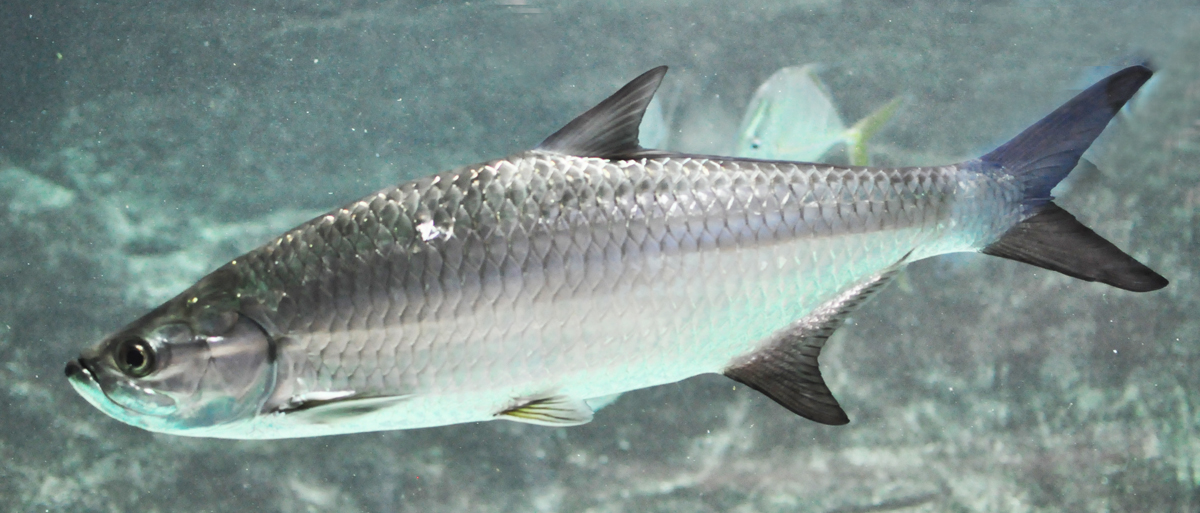
This Indian River Lagoon fishing report covers mid-May, when the lagoon system hits its spring peak. Tarpon are the lead species, rolling through the lagoon and stacking at the Sebastian Inlet. Permit crowd the Sebastian and Fort Pierce inlet jetties, and the dock-light snook bite from Vero south to Stuart is as good as it gets. Plan around the outgoing tide at the inlets and calm mornings for sight-casting.
What’s Hitting
Tarpon are at full peak, with schools rolling in the open lagoon at first light and laid-up fish on calm mornings. Permit numbers are good in mid-May, and a boat working the inlet on the outgoing has a real shot at a fish.
Snook load the dock lights at night, and bigger fish in the 28–36 inch range stack under the larger commercial lights; these are the trophy targets. Spotted seatrout stay on the grass flats and around the spoil islands at dawn, and redfish scatter across the shallow flats.
Where to Find Them
The Sebastian Inlet at first light is the headline tarpon spot; work the inside of the inlet and the cuts at the mouth on the outgoing. Inside the lagoon, the spoil islands south of Vero hold rolling and laid-up fish at dawn and tarpon on the falling tide, and the Sebastian River is another tarpon option.
Permit stack at the Sebastian and Fort Pierce inlets. Dock lights from Vero south through Fort Pierce and into Stuart fire for snook in the 24–32 inch range, and the North Causeway is the spot for trophy-class fish over 32 inches. The flats around Round Island and the spoils south of the Wabasso Bridge give up trout, and tailing redfish show at low tide near the islands south of Vero.
Tides & Conditions
Expect water temperatures of 77–79°F. The new moon falls Saturday, bringing softer tides but a strong dawn and dusk bite. Light easterly winds hold through Friday, and the dock-light bite peaks Thursday night through the weekend. The outgoing tide drives both the inlet tarpon and the permit.
Tackle & Tactics
- Tarpon: live mullet, threadfins or pinfish on the outgoing tide is the textbook approach.
- Sight-casting: a small dark plug or a black-and-purple Toad fly to laid-up fish.
- Permit: live crabs on a 4/0 circle hook drifted along the rocks on the outgoing, with 60 lb fluorocarbon leader as the minimum.
- Dock-light snook: live shrimp, small pilchards or a DOA Shrimp on a slow retrieve.
- Trout: topwater plugs early, then soft plastics on a jighead.
- Redfish: sight-cast at low tide.
Local Intel This Week
Park at Sebastian Inlet State Park to fish the Sebastian Inlet jetties on the outgoing for permit, and run the same pattern at Fort Pierce Inlet. Round Island Riverside Park and the Wabasso Causeway put you close to the trout flats around Round Island and the spoils south of the Wabasso Bridge. After dark, the North Causeway is the stop for trophy snook. A Florida saltwater license is required, and a snook permit is needed for harvest. Check current FWC and federal regulations and seasons before keeping fish.
This Week’s Tip
On calm mornings, pole or drift quietly along the spoil islands south of Vero and find laid-up tarpon before you cast. Land a black-and-purple Toad or a small dark plug well ahead of the fish and let it cross their path; a cast that splashes down on top of them sends the school off.
Planning a trip to Indian River Lagoon?
This report tells you what happened. ReelAI tells you what to do about it — a briefing for your date, your target species and how you're fishing, built from our reports plus live NOAA and USGS data.
Powered by ReelAI — fishing.digital's intelligence layer. Answers are generated from fishing.digital reports and public NOAA, NWS and USGS data, and may be incomplete or out of date. Regulations and marine safety information are summaries only; always confirm with the responsible authority before you fish.