Updated: Thursday, September 17, 2026 · Next update: Thursday, September 24, 2026
This Indian River Lagoon fishing report covers mid-September, when the mullet run moves inside the lagoon, not just along the beach. Every shoreline from Titusville down to Fort Pierce carries bait in the mornings, and speckled trout are the lead target, feeding harder on those schools than at any point in the summer. Redfish tail on the flats and Sebastian Inlet loads up with snook. Plan around the wind, which drives the lagoon away from the inlets, and the morning outgoing at Sebastian and Fort Pierce.
What’s Hitting
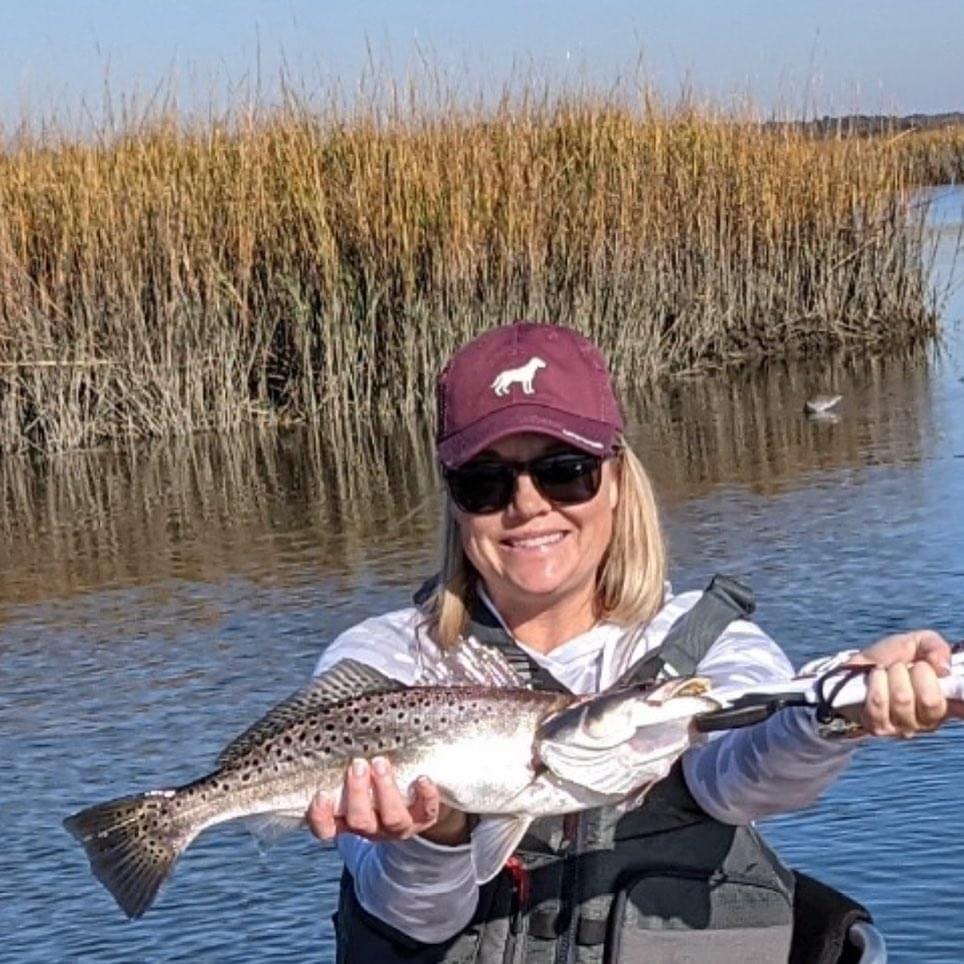
Speckled trout lead the list. Expect fish from 15 to 24 inches working the mullet schools along the lagoon shorelines and on the grass flats in 2 to 4 feet, with some bigger fish in the deeper troughs. Redfish tail on the flats early in the Mosquito Lagoon and the north Indian River, and schools of slot fish move along the spoil islands.
Snook stack at Sebastian Inlet and Fort Pierce Inlet on the falling tide, and along the beaches on either side at first light. Black drum sit on the bridge pilings, and a few tarpon roll in the deeper lagoon channels at dawn.
Where to Find Them
Trout follow the mullet along the shoreline, so look for bait and birds early on the flats around Titusville, the spoil islands north of Sebastian and the flats off Vero Beach. Target redfish on the shallow flats of the Mosquito Lagoon and around Haulover Canal at first light, tailing on the high water.
Snook use the Sebastian Inlet jetties and the rocks along the south side on the outgoing tide, plus the surf along the state park beach. Black drum hang on the Wabasso and Sebastian bridge pilings.
Tides & Conditions
Away from the inlets the lagoon is largely wind-driven, and light west winds keep the water clear on the west shore. At the inlets, moderate tides between the moons set up a good morning outgoing. Water runs in the low to mid-80s and clears after the summer rains. Afternoon storms are still around but less frequent.
Tackle & Tactics
- Trout: a soft plastic jerkbait or paddle tail worked around the mullet schools, a walking topwater at first light, or a live shrimp or pigfish under a popping cork on the flats.
- Redfish: a weedless gold spoon, a soft plastic, or a live shrimp or cut mullet on 20-pound fluorocarbon.
- Inlet snook: a live finger mullet on a 5/0 circle hook, or a flair hawk jig on 40-pound leader.
A 7-foot medium spinning rod with 15-pound braid covers the lagoon.
Local Intel This Week
The Sebastian Inlet State Park ramp is the closest launch to the inlet, with the Wabasso Causeway ramp, the Fort Pierce Inlet State Park area and the Parrish Park ramp in Titusville serving the rest of the lagoon. Shore anglers can fish the Sebastian Inlet jetties and the Fort Pierce jetty for snook on the outgoing, and the causeway shorelines for trout and reds. Snook season is open on the Atlantic coast in mid-September. Check current FWC and federal regulations and seasons before keeping fish.
This Week’s Tip
When the mullet are on the flats, the trout sit under and behind the school rather than in it. Cast past the bait and bring your lure back through the trailing edge, and keep it low. A soft plastic fished a foot under the mullet gets eaten when a topwater in the school gets ignored.
Planning a trip to Indian River Lagoon?
This report tells you what happened. ReelAI tells you what to do about it — a briefing for your date, your target species and how you're fishing, built from our reports plus live NOAA and USGS data.
Powered by ReelAI — fishing.digital's intelligence layer. Answers are generated from fishing.digital reports and public NOAA, NWS and USGS data, and may be incomplete or out of date. Regulations and marine safety information are summaries only; always confirm with the responsible authority before you fish.