Updated: Thursday, November 19, 2026 · Next update: Thursday, November 26, 2026
This Lake Champlain fishing report is a seasonal outlook for the week of November 19, built from late-fall patterns rather than verified catches. Late November usually means colder nights, shorter days and windy stretches over the Champlain Valley, with steadily falling water temperatures. That cooling pulls lake trout and salmon toward shore and river mouths, keeps northern pike feeding in weedy bays ahead of ice, and sends smallmouth bass to deeper rock. Wind direction and the coldest mornings are the variables to watch.
What’s Hitting
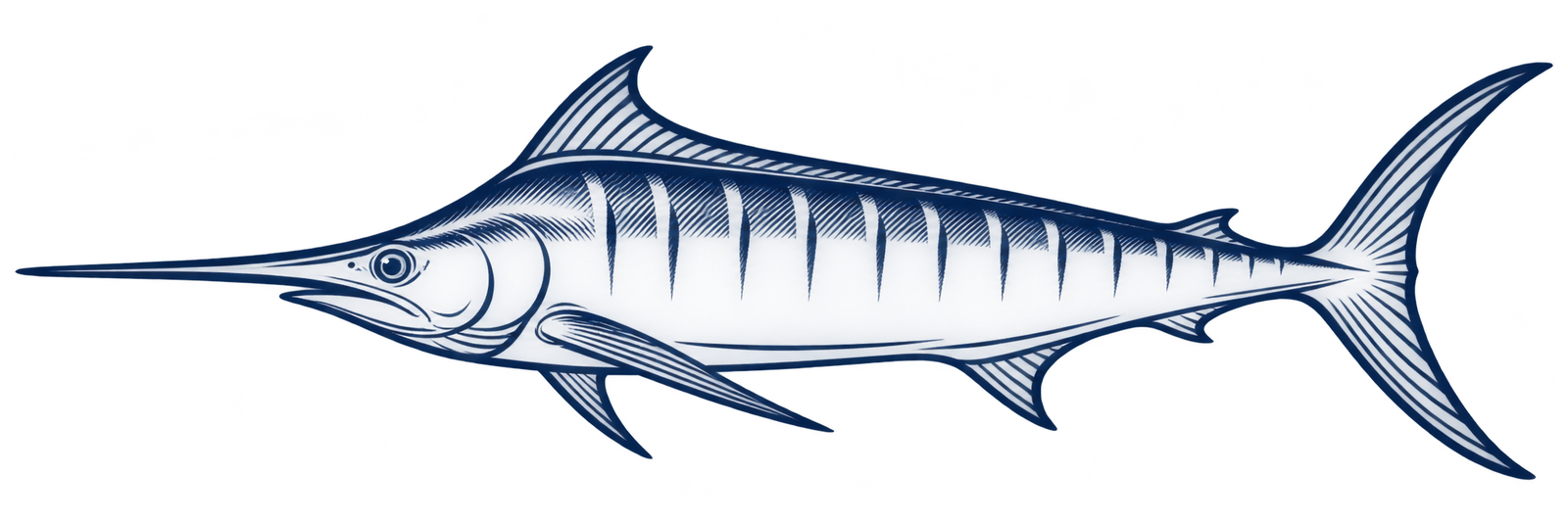
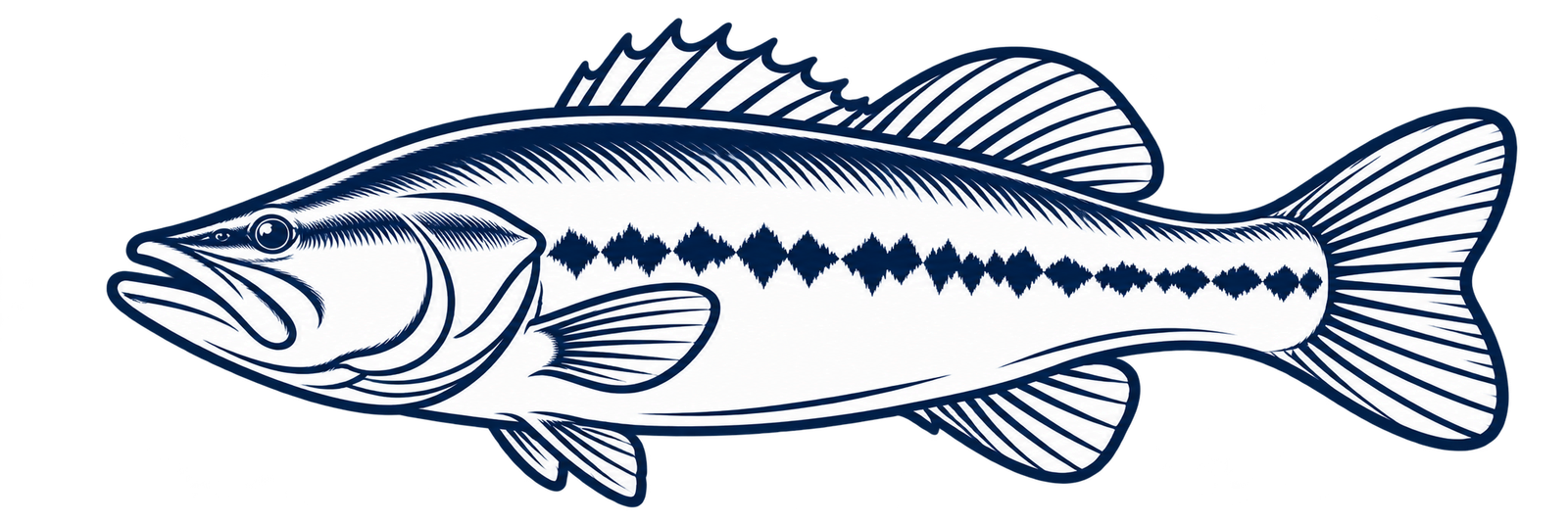
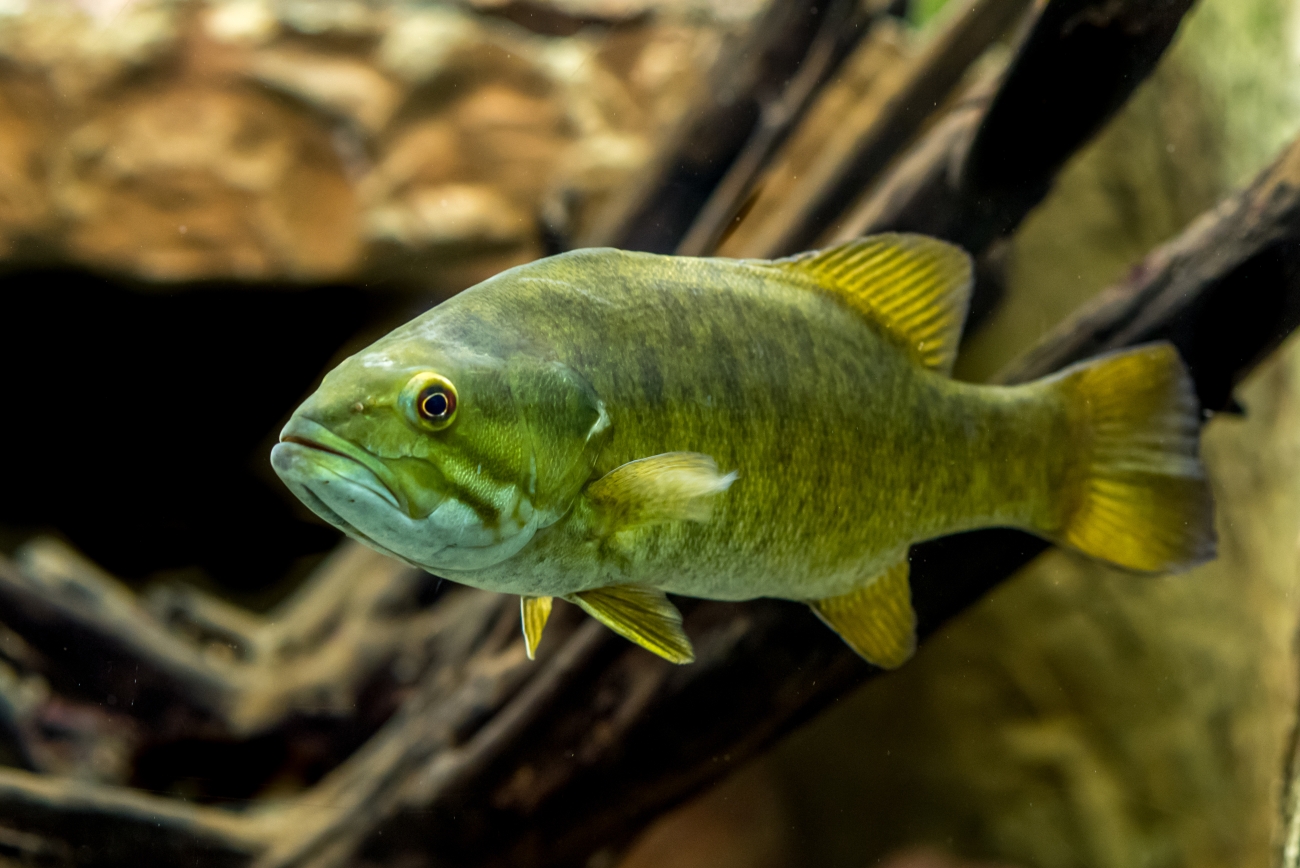
Lake trout are a headline shore target in late fall, moving near river mouths, breakwaters and rocky shoreline during low light. Landlocked salmon can also be found near these areas. Northern pike remain active in weedy bays until ice forms, often feeding aggressively on perch and other baitfish as the water cools. Smallmouth bass have largely moved to deeper rock and drop-offs, where they can still be caught on slow presentations. Yellow perch continue to school on deeper flats, and walleye feed along drop-offs at dusk. Expect activity to slow on the coldest, windiest days. Smelt draw attention later, once ice forms.
Where to Find Them
Lake trout and salmon often gather near the mouths of the Winooski, Lamoille and Saranac rivers and along the Burlington breakwater. On the New York side, the Ausable River mouth and the rocky shoreline near Port Kent are traditional late-fall spots. For northern pike, Malletts Bay, the Inland Sea, Missisquoi Bay and the weedy bays in the South Lake near Whitehall are productive. Smallmouth bass hold on deep rocky points and drop-offs throughout the lake, especially in the broad lake near Burlington and Valcour Island. Perch schools roam the deeper mud flats in Malletts Bay and Cumberland Bay near Plattsburgh.
Tides & Conditions
Lake Champlain has no tides, but the moon reaches full on November 24, and low-light periods around dawn and dusk remain the best windows for lake trout and salmon near shore. The more important variables are wind and temperature. North and south winds funnel down the long axis of the lake and can create steep waves in the broad lake, while protected bays stay fishable. Falling water temperatures slow fish metabolism, so expect the best action on milder afternoons and before fronts.
Tackle & Tactics
For shore lake trout and salmon, cast spoons, stickbaits or small swimbaits from breakwaters and river mouths at first and last light, using a seven- to eight-foot spinning rod with eight- to twelve-pound line. For pike, use larger swimbaits, spinnerbaits or suckers under a float on heavier gear with a wire or heavy fluorocarbon leader. For deep smallmouth, slow down with tubes, hair jigs or blade baits on light fluorocarbon. Perch respond to small jigs tipped with minnows. Dress warmly and wear a PFD in cold water. Keep spare line, because rock and zebra mussels fray it quickly.
Local Intel This Week
Perkins Pier in Burlington offers a public ramp and shore fishing access near the breakwater, and Sand Bar State Park in Milton sits near the Lamoille River delta, though facilities may be seasonally limited. On the New York side, the Peru Dock state boat launch gives access to the broad lake near Valcour Island. Cold water is dangerous, so boat with a partner and wear a PFD. Check current state and federal regulations and seasons before keeping fish, especially for lake trout and salmon rules, which differ between Vermont and New York waters. Ice-in timing varies, but shallow bays can skim over on the coldest mornings, so check ramps before you tow. Over Thanksgiving weekend, the broad lake can be lonely, so share your plan.
This Week’s Tip
Plan for low light. Arrive at a river mouth or breakwater before dawn and cast spoons for lake trout during the first hour of light, then switch to pike in a weedy bay as the sun warms the shallows late in the morning.
Planning a trip to Lake Champlain?
This report tells you what happened. ReelAI tells you what to do about it — a briefing for your date, your target species and how you're fishing, built from our reports plus live NOAA and USGS data.
Powered by ReelAI — fishing.digital's intelligence layer. Answers are generated from fishing.digital reports and public NOAA, NWS and USGS data, and may be incomplete or out of date. Regulations and marine safety information are summaries only; always confirm with the responsible authority before you fish.