Updated: Thursday, October 8, 2026 · Next update: Thursday, October 15, 2026
This Lake Fork fishing report covers early to mid-October, when East Texas’s famous bass lake slides into its fall pattern. Cooling water sends shad into the creek arms, and largemouth bass follow them, so the creeks and the grass edges are the place to start. Crappie are moving toward brush and bridge pilings, white bass chase shad on the main lake, and catfish work the flats. Plan around the new moon this weekend, which can sharpen the dawn bite, and around the wind that piles shad on downwind banks.
What’s Hitting
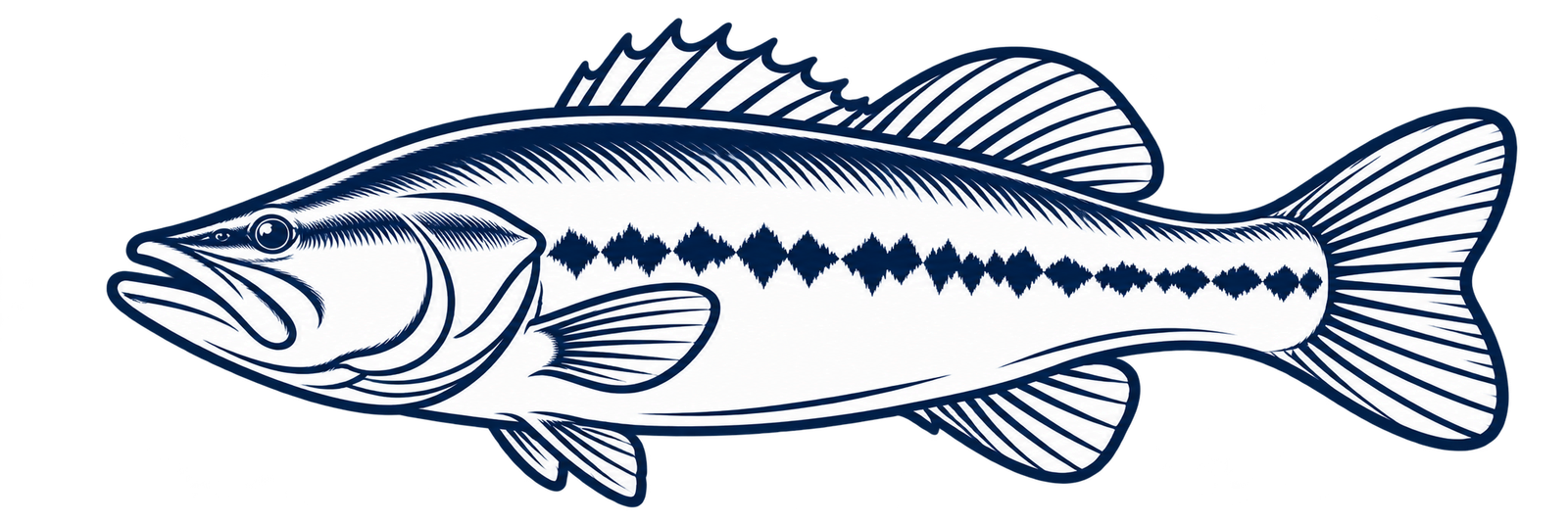
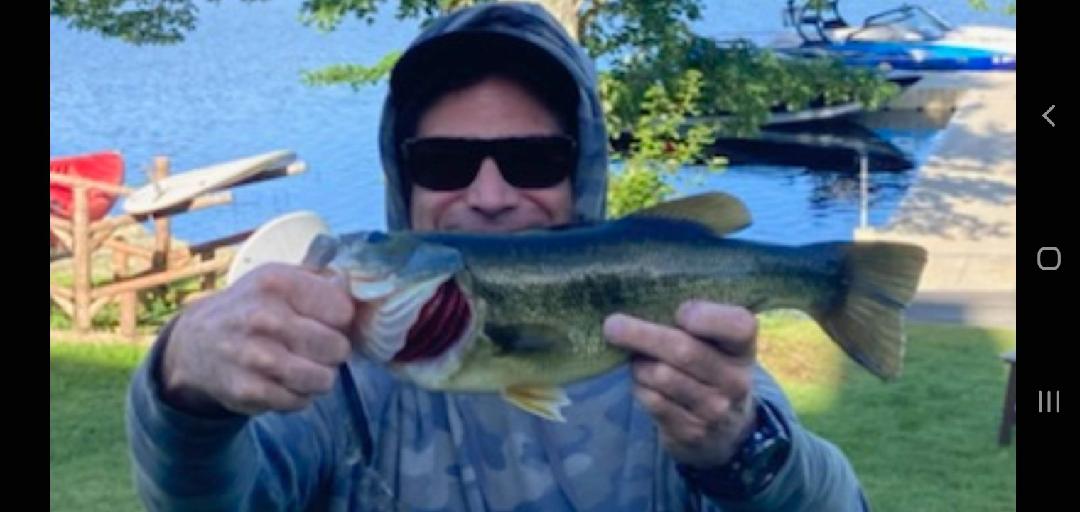
Largemouth bass are the headline, feeding on shad in the creek arms, along the grass edges and around the timber. As the water cools, shad push toward the backs of the creeks, and bass follow them to feed heavily ahead of winter.
Crappie are starting to move toward the brush piles and bridge pilings, white bass chase shad on the main lake, and catfish are active around the flats and points.
Where to Find Them
Look for bass in the creek channels and the grass beds in the upper parts of the lake, and around the points and the timber in the middle sections. Creek channels act as highways for bait and bass, and the grass and timber along them give bass cover to ambush shad moving through.
The bridge pilings and brush piles hold crappie. Main lake points are good for white bass when the shad are busting on top.
Tides & Conditions
The new moon this weekend can make the dawn and dusk periods especially productive, so be on the water early. Wind matters: it pushes shad toward the downwind banks, and the bass follow the bait there.
A cold front can slow things for a day or two, and then the fish usually resume feeding. On the day after a front, slow down and fish tighter to the cover.
Tackle & Tactics
- Early morning: topwater plugs and buzzbaits.
- Grass and timber: squarebill crankbaits and spinnerbaits; the squarebill deflects off cover and triggers reaction strikes.
- Later in the day: a Texas-rigged soft plastic or a jig fished slowly near the cover.
- Crappie: small jigs or minnows around the brush.
Lake Fork is famous for trophy bass, and its slot limit protects the big fish. Carry a good net, support a large bass with two hands, and release it quickly so it can be caught again.
Local Intel This Week
Lake Fork Marina and Minnow Bucket Marina are good bases for launching and stocking up before you run to the creek arms. The public ramps near the Highway 515 bridge put you close to the bridge pilings for crappie and to the nearby creeks and grass lines for bass. Fish concentrate in the creeks and around the grass lines. Pay attention to the slot rules on largemouth bass. Check current state and federal regulations and seasons before keeping fish.
This Week’s Tip
Follow the shad. Baitfish flickering on the surface or birds diving mean the bass are close. Throw something that looks like a shad, match the size of the bait you see, and work the area thoroughly before you move on.
Planning a trip to Lake Fork TX?
This report tells you what happened. ReelAI tells you what to do about it — a briefing for your date, your target species and how you're fishing, built from our reports plus live NOAA and USGS data.
Powered by ReelAI — fishing.digital's intelligence layer. Answers are generated from fishing.digital reports and public NOAA, NWS and USGS data, and may be incomplete or out of date. Regulations and marine safety information are summaries only; always confirm with the responsible authority before you fish.