Updated: Thursday, August 27, 2026 · Next update: Thursday, September 3, 2026
This Outer Banks fishing report covers late August, when the coast sits on the seam between summer and fall. The surf is still a summer fishery for Spanish mackerel, bluefish, pompano and sea mullet, but red drum are starting to group up, and the first hard northeast blow is the condition to plan around. Offshore, yellowfin, mahi and wahoo reward boats that find a weather window to get out.
What’s Hitting
Spanish mackerel and bluefish work the beach and the inlet mouths, with king mackerel just outside on the bait pods. Pompano and sea mullet feed in the surf troughs.
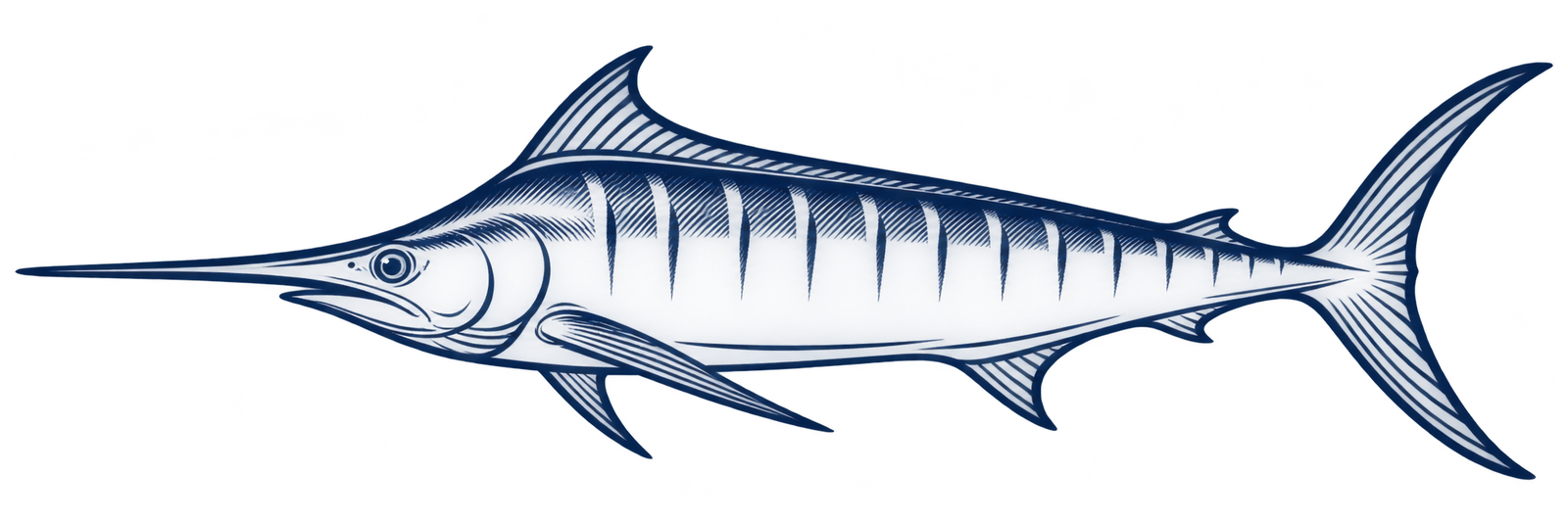
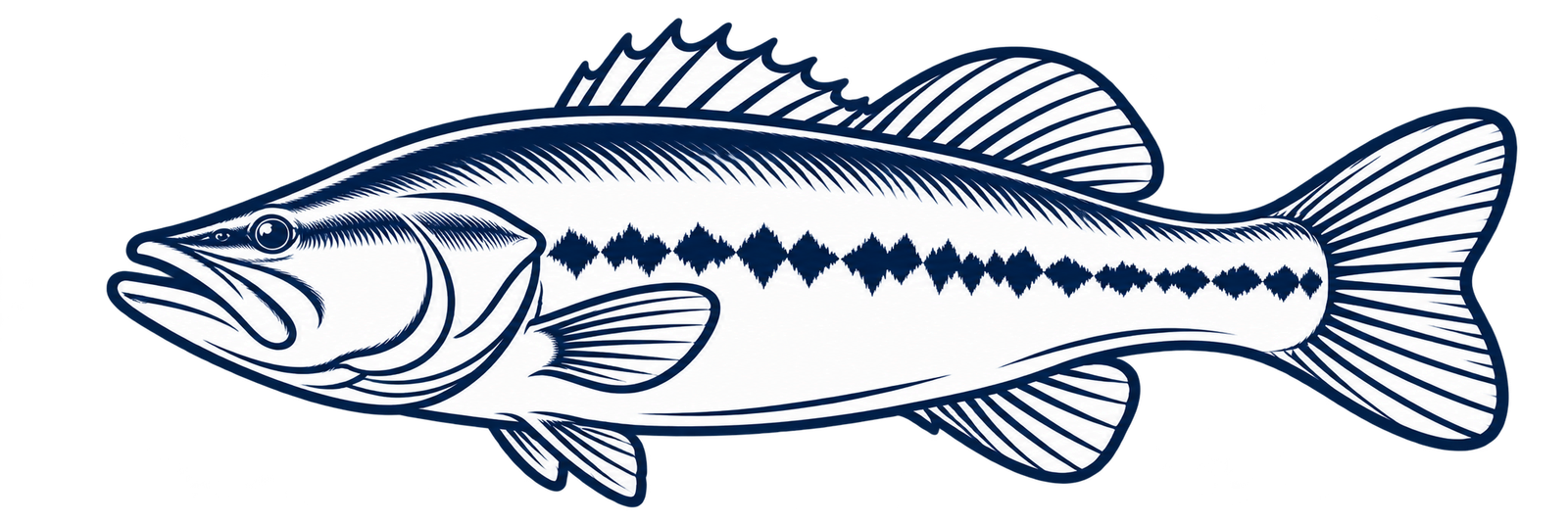
Red drum are the fish to watch. Puppy drum are in the sounds and inlets, and bigger fish start to show around the inlets and the point. Offshore, yellowfin tuna, mahi and wahoo are on the break, with billfish releases mixed in. In the sound, speckled trout and puppy drum feed on the grass and marsh edges early.
Where to Find Them
Work the surf from Nags Head south through Rodanthe and Avon, targeting the sloughs and cuts. Cape Point at Buxton and the Oregon Inlet and Hatteras Inlet mouths are where drum action concentrates as the season turns.
Nearshore bait pods hold Spanish and kings. Offshore, the break 20 to 40 miles out off Oregon Inlet and Hatteras holds tuna and mahi. Sound-side, fish the marsh edges and grass flats of Pamlico Sound near Avon and Hatteras for trout and puppy drum.
Tides & Conditions
Expect ocean temps in the upper 70s to around 80 inshore. Beach currents run hard, which is normal here and makes lead selection a real decision rather than an afterthought.
Tides are moderate, but wind rules this coast. A southwest breeze lays the ocean down and cleans up the surf; a northeast blow dirties it, builds the swell and kicks the drum bite into gear. Watch the forecast for the first sustained northeast event.
Tackle & Tactics
- Spanish and blues: a metal casting spoon on a 9- to 10-foot spinner with 20-pound braid, retrieved fast.
- Pompano and sea mullet: a two-hook rig with small circle hooks and sand fleas or shrimp, with enough lead to hold in the current.
- Red drum: rig heavy now with a 12- to 13-foot surf rod, 20- to 30-pound line with a shock leader, an 8-ounce sputnik sinker and fresh cut mullet or a bunker head on a big circle hook.
- Offshore: troll ballyhoo and skirted lures along the break.
- Sound trout and puppies: a soft plastic on a light jighead or a popping cork with shrimp.
Local Intel This Week
Launch at the Oregon Inlet Fishing Center ramp, the Hatteras Harbor and Teach’s Lair ramps, or the Manns Harbor and Wanchese ramps on the sound side. Beach driving with a permit opens up Cape Point, Ramp 44 and the Ocracoke beaches, and the Avalon, Jennette’s and Rodanthe piers give walk-on access to deep water when the surf is too rough to wade.
Fish concentrate around the inlet mouths, Cape Point and the nearshore bait pods. Red drum, king mackerel, tuna and billfish all carry state or federal rules and permit requirements. Check current state and federal regulations and seasons before keeping fish.
This Week’s Tip
Scout the sloughs before the drum arrive. Walk your stretch of beach at dead low tide with no rod in your hand and photograph where the bar breaks and where the deep cuts sit. When the first northeast blow fills the beach with anglers, you already know which hundred yards to stand on while everyone else is guessing.
Planning a trip to NC Outer Banks?
This report tells you what happened. ReelAI tells you what to do about it — a briefing for your date, your target species and how you're fishing, built from our reports plus live NOAA and USGS data.
Powered by ReelAI — fishing.digital's intelligence layer. Answers are generated from fishing.digital reports and public NOAA, NWS and USGS data, and may be incomplete or out of date. Regulations and marine safety information are summaries only; always confirm with the responsible authority before you fish.