Updated: Thursday, June 11, 2026 · Next update: Thursday, June 18, 2026
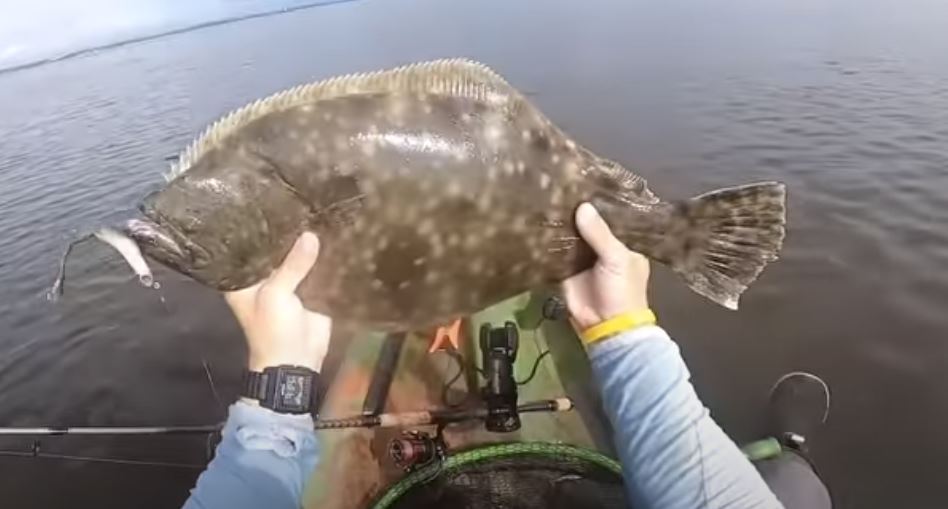
This New Jersey fishing report finds the summer flounder (fluke) season in full swing in mid-June, and fluke are the inshore highlight in the back bays, inlets and nearshore reefs and lumps. The better keeper-class fish favor the inlet edges and deeper nearshore structure on the moving tides. Striped bass linger for the tail end of the spring run, black sea bass feed on the wrecks and bluefish blitz the inlets and beaches. Plan around the afternoon sea breeze, which chops up the drift, and fish the morning.
What’s Hitting
Summer flounder eat Gulp-and-bucktail combos and minnow-squid rigs. Striped bass hang along the beaches, in the bays and around back-bay structure, taking bunker chunks, live baits and plugs worked through the rips early and late.
Black sea bass feed well on the wrecks and reef sites on clams and squid, offering reliable bottom action and good table fare, and bluefish blitz bait pods in the inlets and along the beaches. Offshore, tuna and early mahi heat up at the canyons and lumps for boats that can make the run, and scattered kingfish and croaker work the surf.
Where to Find Them
Fish concentrate on structure and current seams, meaning the inlet rockpiles, reef sites and the sloughs between bars in the surf, rather than spreading across open bay bottom. Warm back-bay water keeps pushing keeper fluke out of the shallows and onto ocean structure.
Stripers are going deep and nocturnal for the summer, so the back bays and river mouths after dark are the best shot at them.
Tides & Conditions
Expect ocean temperatures along the beach in the low seventies, with the back bays running warmer. The afternoon sea breeze builds most days and speeds up the drift, so make the morning the productive part of the day. Offshore weather windows look reasonable, but check the forecast the night before rather than the morning of.
Moving tides are the time for fluke, and low light is the time for bass.
Tackle & Tactics
Fluke on ocean structure ask more of your tackle than the back bay. Step up to a three- to six-ounce bucktail depending on drift, tip it with Gulp, run a teaser above it, and hop the rig rather than dragging it. Drift control matters more than lure choice; above about a knot, deploy a drift sock.
- Reef sites: a whole squid or a spearing-and-squid combination on a high-low rig takes both fluke and sea bass.
- Surf: a two-hook bottom rig with bloodworm or Fishbites in the slough, with a metal rigged and ready for blitzing blues.
Local Intel This Week
The Barnegat Light ramp gives the quickest access to the inlet and nearshore reef sites and stays busy through summer. The Manasquan River ramp in Brielle serves the northern inlet and the Shrewsbury Rocks, and the Great Bay Boulevard ramp puts you into the back-bay system south of Little Egg. Shore anglers can use Island Beach State Park with a beach buggy permit, and the Barnegat Inlet south jetty is walkable for anyone willing to pick their way out on the rocks.
Check current state and federal regulations and seasons before keeping fish.
This Week’s Tip
When you drift a wreck for fluke, do not drift over the top of it. Set up so the boat passes along the sand edge beside the structure. Bigger fluke lie in the sand next to a wreck ambushing bait that comes off it, and fishing the edge costs far less tackle.
Planning a trip to New Jersey?
This report tells you what happened. ReelAI tells you what to do about it — a briefing for your date, your target species and how you're fishing, built from our reports plus live NOAA and USGS data.
Powered by ReelAI — fishing.digital's intelligence layer. Answers are generated from fishing.digital reports and public NOAA, NWS and USGS data, and may be incomplete or out of date. Regulations and marine safety information are summaries only; always confirm with the responsible authority before you fish.