Updated: Thursday, July 9, 2026 · Next update: Thursday, July 16, 2026
This New Jersey fishing report for early July finds fluke in their summer ocean pattern on the reefs and lumps, with steady action still in the back bays on the moving tide. The mid-range tuna grounds hold bluefin, mahi start to show around the pots, and the surf crowd scratches out kingfish and blues between beach crowds. Light wind keeps the ocean drift-friendly, while pop-up thunderstorms are the main scheduling hazard to plan around.
What’s Hitting
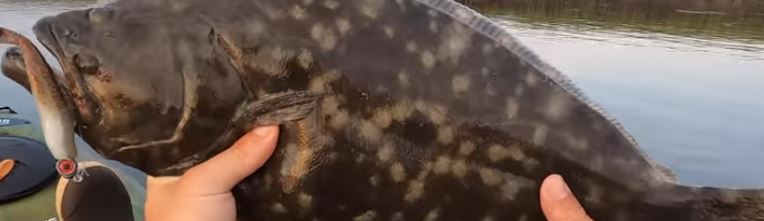
Fluke are the bread and butter, with keepers on the ocean reefs and lumps in 40 to 80 feet and steady action in the back bays on the moving tide. Bluefin tuna sit within mid-range reach, from the Mud Hole out to the 30-fathom lumps, with mahi starting to show around the pots. Sea bass mix in on the structure, kingfish work the surf wash, and blues hang around the inlets.
Where to Find Them
Ocean fluke want structure. Target the reef sites off Sea Girt and Axel Carlson, the Old Grounds to the south, and the Barnegat Light reef; the Sea Girt, Axel Carlson and Barnegat Light sites in 50 to 80 feet are the most consistent fluke structure. In the bays, fish the channel edges of Barnegat and Great Bay on the last of the incoming. Look for bluefin on the inshore lumps early, where bird play gives them away.
Shore anglers have the Sandy Hook beaches, the Shark River and Manasquan inlet jetties, and Island Beach State Park for bluefish and the occasional fluke on the sand.
Tides & Conditions
A stretch of light wind keeps the ocean drift-friendly, which is ideal for reef fluke. Surf water temperatures sit in the low 70s, right for kingfish. Pop-up thunderstorms are the main scheduling hazard, so watch the sky.
Tackle & Tactics
- Ocean fluke: a 4- to 6-ounce bucktail tipped with Gulp, worked vertically on braid. Bay fish take a lighter version of the same rig.
- Reef edges: a 3- to 4-ounce bucktail tipped with Gulp, with a teaser above, handles the current, and a longer strip bait separates the keepers from the shorts. Work the bucktail on the edge of the structure, not across the sand between the pieces; line up the drift on the plotter and stay on the reef line.
- Bluefin: run-and-gun with poppers and stickbaits when they show on top; troll ballyhoo and bars when they stay down.
- Surf: bloodworm bits on small hooks for kingfish. For bluefish, a metal spoon or popper on a wire leader at first light covers the schools moving along the beach, and a chunk of bunker after dark takes the larger fish at the inlets.
Local Intel This Week
Leonardo State Marina serves Raritan Bay and the Sandy Hook reef sites. The Belmar Marina ramp covers the Shark River and the northern ocean grounds, and the Shark River, Manasquan and Barnegat Bay public ramps put you on the central-coast reefs where the fluke hold. The Somers Point ramp is the workhorse for Great Egg Harbor. Without a boat, work the inlet jetties at first light for blues. Fluke rules differ by region and change annually. Check current state and federal regulations and seasons before keeping fish.
This Week’s Tip
On the reefs, a fluke drift that dies is a drift wasted. If the wind and tide cancel each other out, power-drift with the motor bumped in and out of gear to keep the bucktail moving, because motion is what triggers the bigger flatfish.
Planning a trip to New Jersey?
This report tells you what happened. ReelAI tells you what to do about it — a briefing for your date, your target species and how you're fishing, built from our reports plus live NOAA and USGS data.
Powered by ReelAI — fishing.digital's intelligence layer. Answers are generated from fishing.digital reports and public NOAA, NWS and USGS data, and may be incomplete or out of date. Regulations and marine safety information are summaries only; always confirm with the responsible authority before you fish.