Updated: Thursday, July 9, 2026 · Next update: Thursday, July 16, 2026
This NC Outer Banks fishing report for early July marks high summer on the islands. Spanish mackerel blitz bait along the beaches at first light and again on the evening tide, the offshore fleet boxes mahi in the Gulf Stream, and the sound-side bridges give up sheepshead to the patient crowd. Southwest flow is the condition to plan around: it keeps the ocean-side mornings fishable and stacks warm water on the beach, then builds into an afternoon blow that chops up the sound.
What’s Hitting
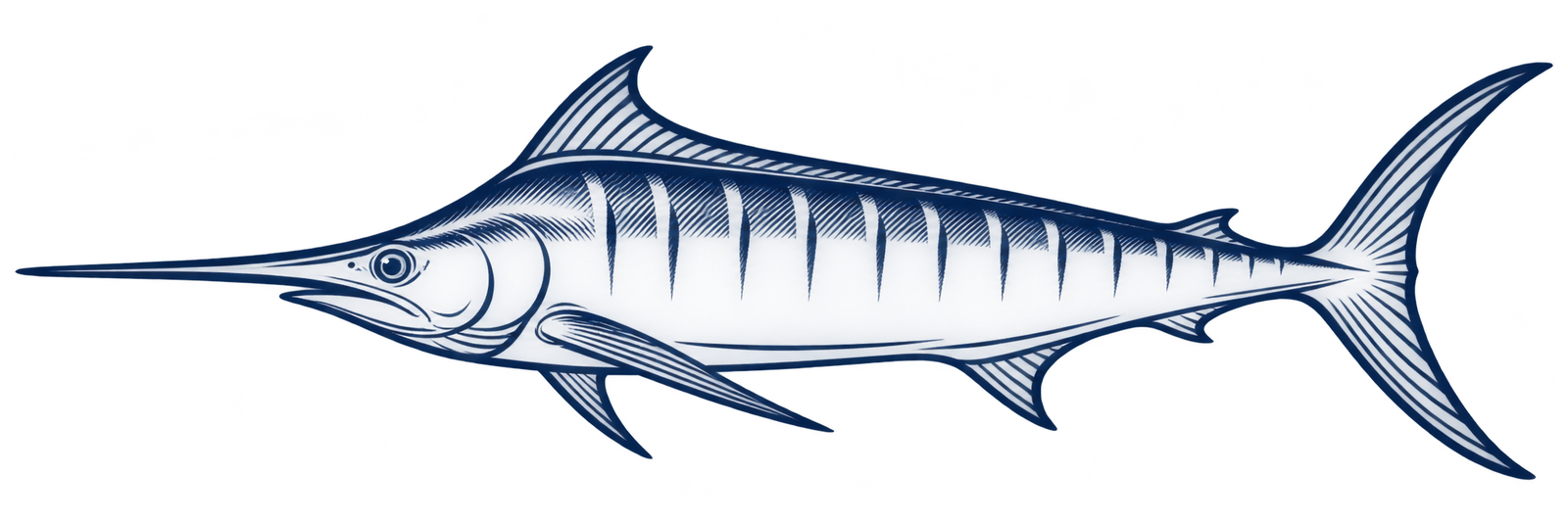
Spanish mackerel are thick along the beaches from Nags Head through Hatteras, with bluefish mixed in on every blitz. Offshore, mahi fishing in the Gulf Stream is excellent, with scattered wahoo and a few billfish in the spread. Sheepshead sit on the bridge pilings, sound-side trout show early, and puppy drum hold in the sloughs for surf casters. A few cobia stragglers still cruise nearshore.
Where to Find Them
Follow the birds for the Spanish, and expect blitzes within casting range of the beach at dawn and on the evening tide. Offshore boats out of Oregon Inlet and Hatteras find mahi along the break and the grass lines. Sheepshead want the Bonner Bridge pilings and the sound bridges with barnacle growth.
In the surf, read the beach before you fish it. At low tide, stand on the dune line and find the darker, deeper slough running parallel to the beach, the lighter bar beyond it, and the gaps where the bar breaks. Those cuts are where bait funnels in on the incoming tide, and drum, pompano and sea mullet all use the same highway.
Tides & Conditions
Southwest flow keeps the ocean-side mornings fishable and stacks warm water along the beach. The Stream is settled, with good color inside the break. Watch for the afternoon southwest blow to chop up the sound, and plan sound trips accordingly. The surf cuts move after every blow, so re-read the beach after each storm.
Tackle & Tactics
- Spanish: Stingsilvers and small metal on light spinning gear, retrieved fast.
- Mahi: the standard offshore spread of ballyhoo and squid chains.
- Sheepshead: fiddler crabs or sand fleas dropped tight to the pilings on a stout rod. Set the hook on the tap you barely feel.
- Surf: mark a cut at low water, come back on the rising tide, and put a fish-finder rig with fresh cut bait right in the mouth of it.
Local Intel This Week
The Oregon Inlet Fishing Center ramp is the launch for the offshore fleet, while the Washington Baum Bridge ramp on the Roanoke Sound causeway and the Wanchese public ramp handle sound fishing. Farther south, the Hatteras Village and Frisco ramps serve the lower island, and the Avon and Salvo soundside launches suit kayaks and small boats. Beach driving requires a National Park Service off-road vehicle permit: buy it before you go, air down to around twenty pounds, and carry a shovel and a board. Ramps 4, 27, 34 and 43 are the traditional beach access points, and Coquina Beach and the Avalon and Jennette’s piers give anglers on foot solid fishing. Drum rules are specific. Check current state and federal regulations and seasons before keeping fish.
This Week’s Tip
When the Spanish blitz sets up, cast past the school and rip the metal through it, never into the middle. You hook the aggressive edge fish without sounding the whole blitz, and the school stays up twice as long.
Planning a trip to NC Outer Banks?
This report tells you what happened. ReelAI tells you what to do about it — a briefing for your date, your target species and how you're fishing, built from our reports plus live NOAA and USGS data.
Powered by ReelAI — fishing.digital's intelligence layer. Answers are generated from fishing.digital reports and public NOAA, NWS and USGS data, and may be incomplete or out of date. Regulations and marine safety information are summaries only; always confirm with the responsible authority before you fish.