
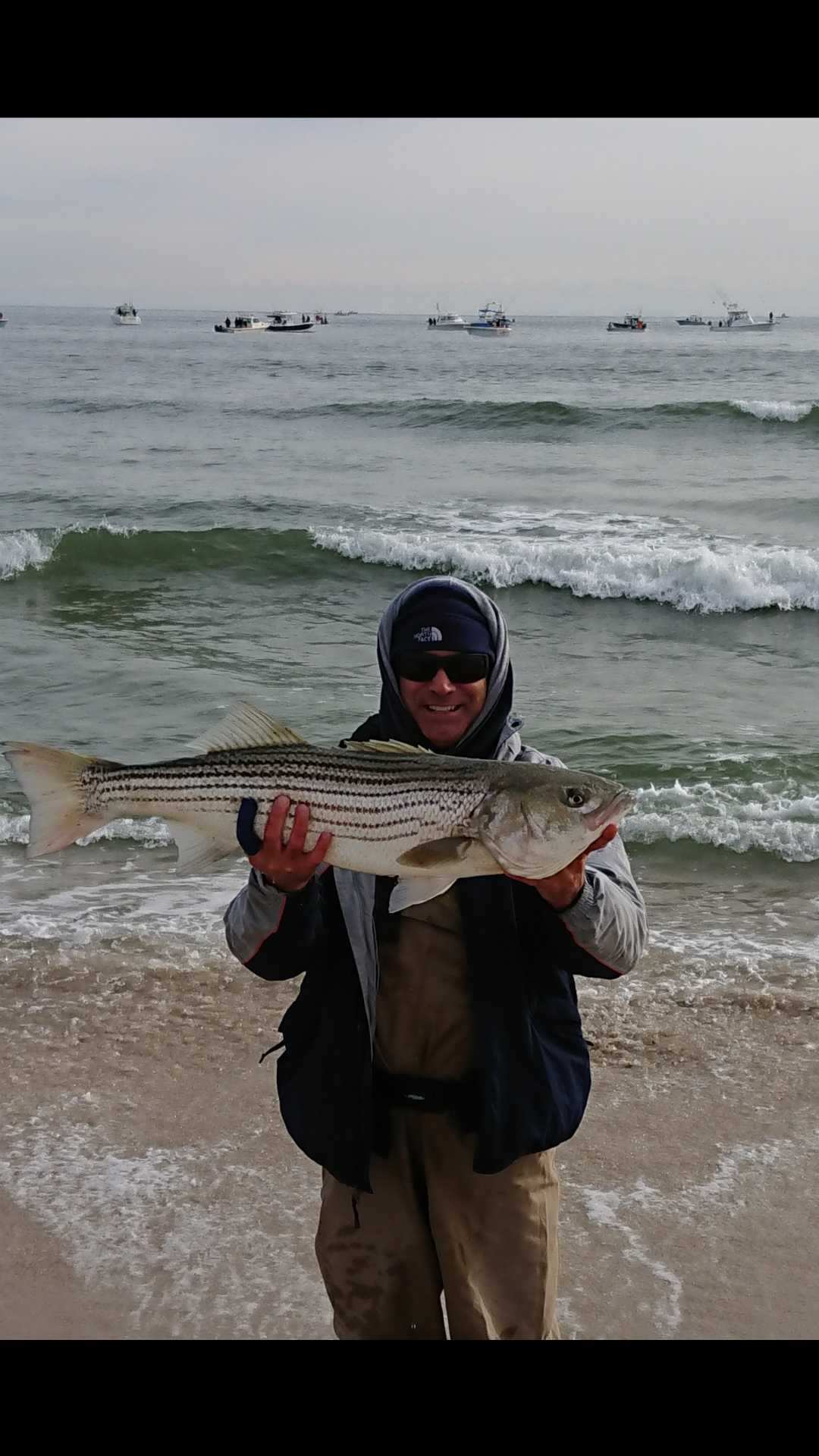
The striped bass run has arrived in force on Cape Cod, and the fishing has been excellent this week. The Cape Cod Canal has produced strong breaking-fish action on the moving tides, with the dawn current changes drawing the best blitzes. Jigs, pencil poppers, and big swimbaits worked through the current have all connected on quality fish.
Along the flats and the backside beaches, sight-casters are finding cruising bass in the skinny water on the morning tides, and the south-side estuaries are holding schoolie and slot fish on soft plastics and flies. Bluefish have shown up to crash bait and offer fast, toothy action — wire or heavy leader recommended.
Summer flounder (fluke) are filling in over the sandy bottom in Nantucket and Vineyard sounds, taking Gulp and bucktail-teaser rigs drifted along the channel edges. Black sea bass are stacked on the structure and reefs and provide steady action and good eating.
Offshore, the first bluefin tuna are being marked and hooked on the troll and jig out toward the deeper water, an encouraging early sign for the season. Scup (porgies) are thick around the reefs and rock piles for anglers looking for fast bottom action.
The striper bite is the clear headline and should continue building through June. Fish the Canal around the tide changes, work the flats at first light, and keep the bluefish gear ready for the blitzes.
Spots & Access This Week
The Cape Cod Canal is the most accessible striper fishery in the Northeast and it costs nothing to fish. The service road runs the full length on both banks and is walkable and bikeable from the Scusset Beach side, the Herring Run lot, and the Bourne and Sagamore access points. Boat anglers can launch at the Sandwich Marina, the Sesuit Harbor ramp in Dennis, the Falmouth Harbor ramp for the south side, and Rock Harbor in Orleans for the bay.
On the backside, Nauset and Race Point offer walk-on and over-sand access with the appropriate permits, and both hold fish in the wash at night and first light in June.
Fish have been concentrating in the Canal on the breaking tides and along the estuary mouths where bait is flushing out. Massachusetts striped bass rules include a strict slot limit and a circle-hook requirement when fishing with bait, and they are revised regularly — check current Massachusetts Division of Marine Fisheries regulations before keeping a fish.
Tactics That Are Working
Canal regulars live and die by the tide, not the clock. The breaking tide is the event; everything before and after it is waiting. A heavy conventional or a long surf spinner loaded with braid, paired with a jig on the early stages and a pencil popper when fish are up, covers the great majority of Canal situations.
On the backside beaches at night, slow is the operative word. A darter or a needlefish worked at a walking pace in the wash will find fish that ignore anything moving quickly. In the estuary mouths, a soft plastic on a light jighead drifted with the outgoing current is the quiet, dependable approach when the water is clear and the fish are wary.
This Week’s Tip
Get to your Canal spot forty-five minutes before the tide breaks, not after. The best water in the ditch fills up with anglers on a June morning, and the person standing on the right rock when the current starts to rip is the one who catches. Scout at slack, pick your position, and be patient — the fishing lasts about ninety minutes and rewards whoever showed up early.
More Cape Cod Resources
Cape Cod Fishing Guide · Cape Cod Seasonal Calendar · All Cape Cod reports →
Also read: Cape Cod Fishing Report — Week of July 30, 2026: Canal Stripers, Fluke on the Bars
Reports updated every Thursday on fishing.digital.
Planning a trip to Cape Cod?
This report tells you what happened. ReelAI tells you what to do about it — a briefing for your date, your target species and how you're fishing, built from our reports plus live NOAA and USGS data.
Powered by ReelAI — fishing.digital's intelligence layer. Answers are generated from fishing.digital reports and public NOAA, NWS and USGS data, and may be incomplete or out of date. Regulations and marine safety information are summaries only; always confirm with the responsible authority before you fish.