Updated: Thursday, May 28, 2026 · Next update: Thursday, June 4, 2026
This Ocean City MD fishing report covers late May, a transition period. Summer flounder are the lead inshore target, building in the inlet and back bay, while the spring striper migration passes its peak and pushes north. Offshore, the canyon tuna bite is productive at the edge. Wind is the main condition to plan around: windy days cut into trip count, so take the calm windows for canyon runs.
What’s Hitting
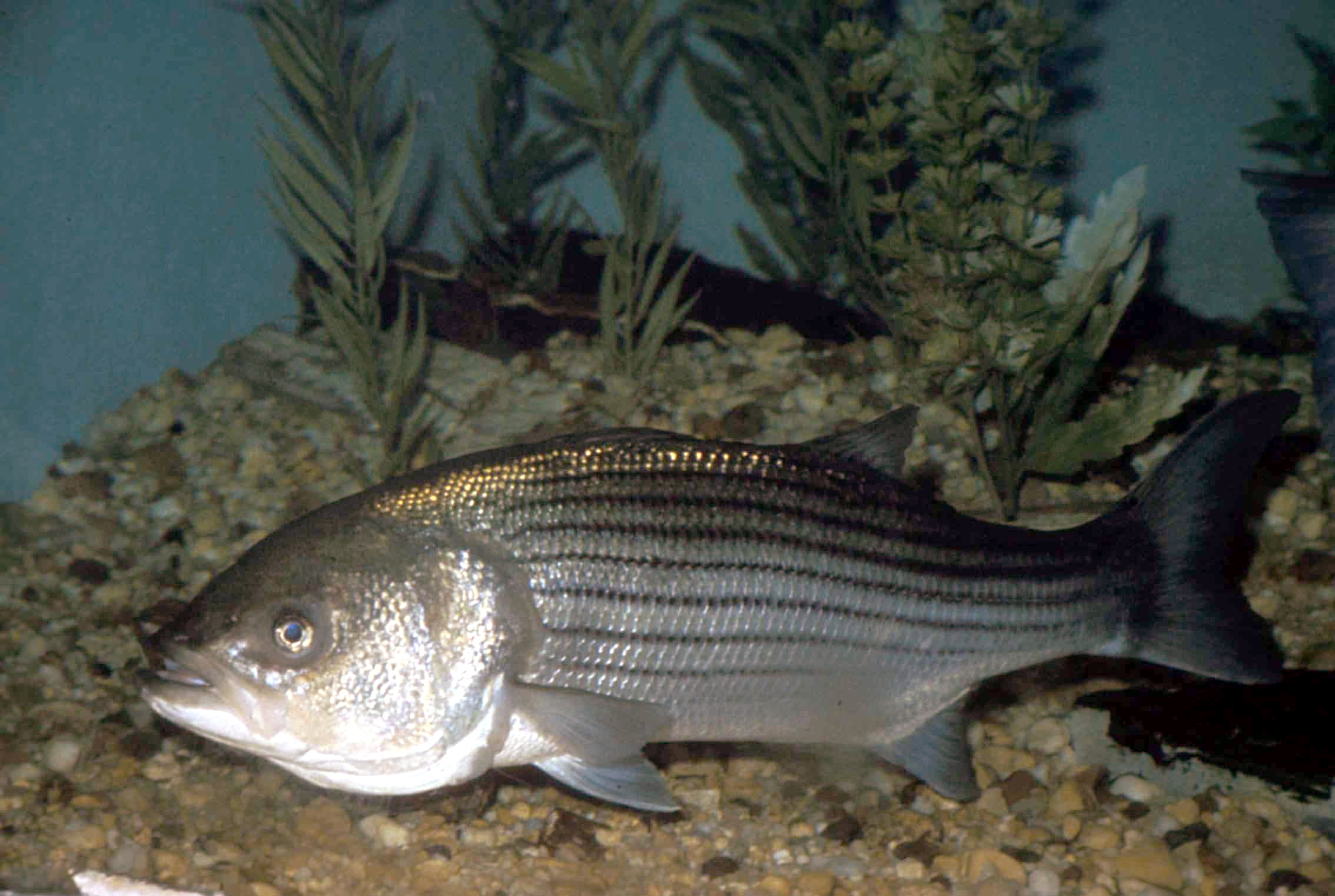
Summer flounder build significantly and are the inshore headliner from late May through August. Striped bass are still around, but numbers and average size decline as the bulk of the migration pushes north into New Jersey and Long Island waters. Bluefish build as the water warms: snappers in the 1-3 lb class are common, with 5-10 lb choppers mixed in.
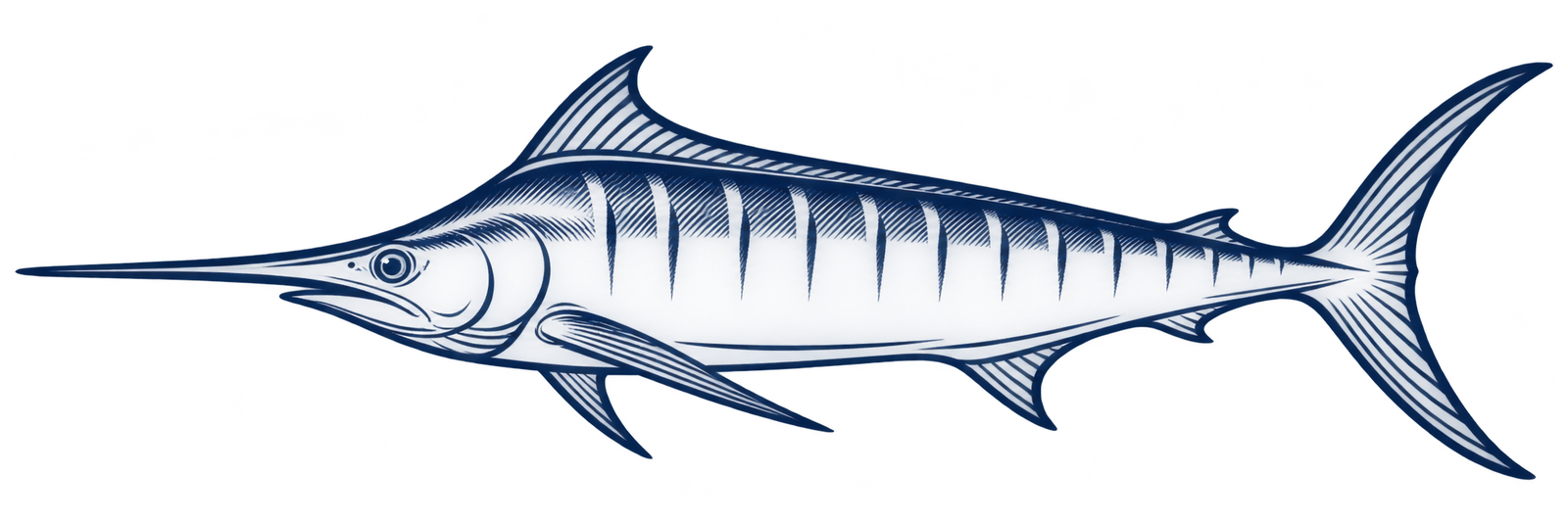
Offshore, the canyons give up yellowfin in the 30-80 lb class and a handful of bigeye, mako sharks of 100-200 lb are scattered, and a few mahi start to show. The inshore wrecks hold sea bass, scattered tog and the occasional flounder, with cobia and kings starting to respond to jigs.
Where to Find Them
Stripers hold on the Route 50 Bridge structure, the Ocean City Inlet rocks and the lower bay channels. Flounder spread through the Route 50 Bridge channels, the East Channel and back bay structure, with the Thorofare and the channels through the back marsh the consistent producers. The Washington and Norfolk Canyons are the tuna grounds, with bigeye on the deeper water, and the Jackspot and Massey’s Canyon hold makos. Mahi turn up on offshore weed lines and around lobster gear floats, and the wrecks sit in 60-100 feet.
In the surf, a few stripers remain on cut bait at the inlet beaches and the OC piers, though the bulk of that fishing has moved off. Surf bluefish on cut bait are reliable.
Tides & Conditions
Canyon runs depend on weather windows. Fish stripers on the moving tides, and drift flounder along channel edges with the tide. Water temperatures climb through the 60s, with the inlet reaching the 70s by mid-June. The first sand fleas and small whiting show up in the surf, and pompano numbers build through June.
Tackle & Tactics
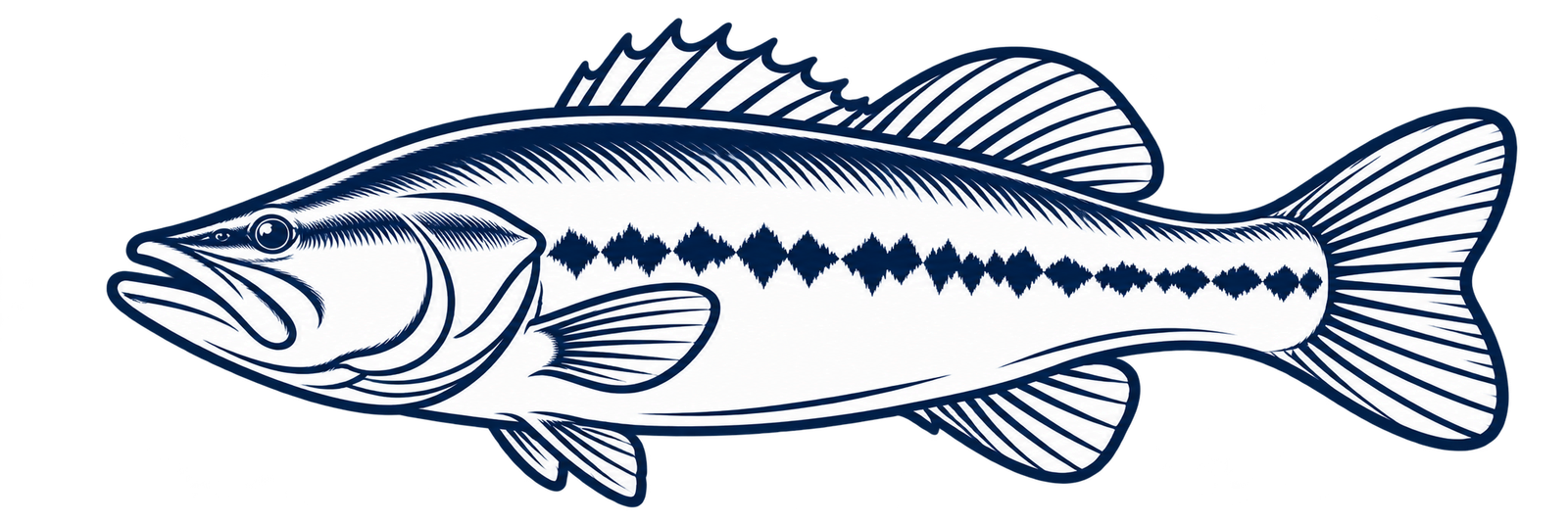
Live eels are the most consistent producer for the remaining keeper-class stripers, and cut bunker chunks on circle hooks at anchor work the slower bite. Light-tackle anglers find action on Storm WildEye Live Mullet swimbaits and 5-inch soft plastics on weighted hooks. Bluefish eat trolled tube-and-worm or cast diamond jigs.
At the canyons, troll spreader bars, daisy chains and ballyhoo with chuggers in the spread, or chunk at anchor with butterfish in the late afternoon for better numbers. Makos eat trolled or chum-fished mackerel, and mahi respond to light tackle with squid or ballyhoo strips. On the wrecks, fish squid, clam or fresh-cut menhaden on bucktails, and jig cigar minnows for cobia, kings and the offshore mix as the water warms.
Local Intel This Week
West Ocean City Harbor is the jumping-off point for canyon and wreck trips, Northside Park gives bay-side access, and Assateague State Park opens up the surf.
Tog can be catch-and-release in some seasons, so verify MD DNR rules. Check current state and federal regulations and seasons before keeping fish.
This Week’s Tip
For back bay flounder, tip a white or chartreuse bucktail jig with a Gulp! 4-inch Swimming Mullet and drift it along the channel edges with the tide, keeping the jig ticking bottom. In calm windows, troll kings and bluefish outside the inlet or make the canyon run.
Planning a trip to Ocean City MD?
This report tells you what happened. ReelAI tells you what to do about it — a briefing for your date, your target species and how you're fishing, built from our reports plus live NOAA and USGS data.
Powered by ReelAI — fishing.digital's intelligence layer. Answers are generated from fishing.digital reports and public NOAA, NWS and USGS data, and may be incomplete or out of date. Regulations and marine safety information are summaries only; always confirm with the responsible authority before you fish.