Updated: Thursday, May 28, 2026 · Next update: Thursday, June 4, 2026
This Indian River Lagoon fishing report covers late May, when the system fishes its textbook early-summer pattern. Redfish are the lead target, tailing on the lower tides across Mosquito Lagoon. Snook stack on bridge structure and dock lights, and trout hold on the deeper grass. The main condition to plan around is the early light window, from first light through about 9 AM, before heat and afternoon thunderstorms build. Lagoon water quality is reasonable, with limited algae visible in most stretches.
What’s Hitting
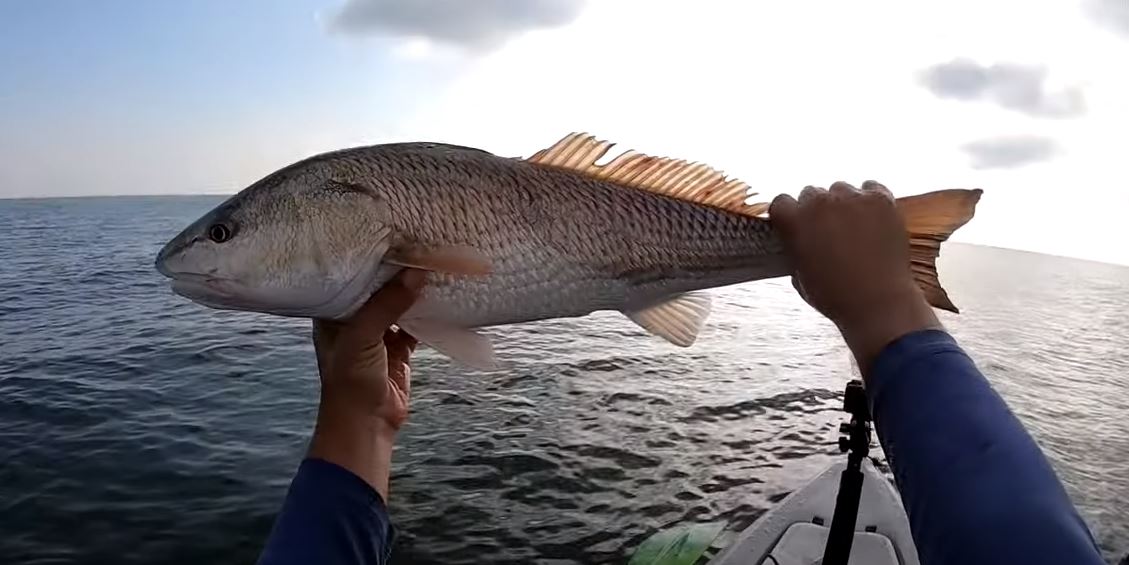
Mosquito Lagoon tailing redfish are the headline. In the Indian River, snook stack on the spillway outflows and bridge structure, black drum hang on the bridges and channel edges, and spotted seatrout fill out once you locate them. Sebastian Inlet remains a top-tier spot for snook, big jacks and the occasional tarpon.
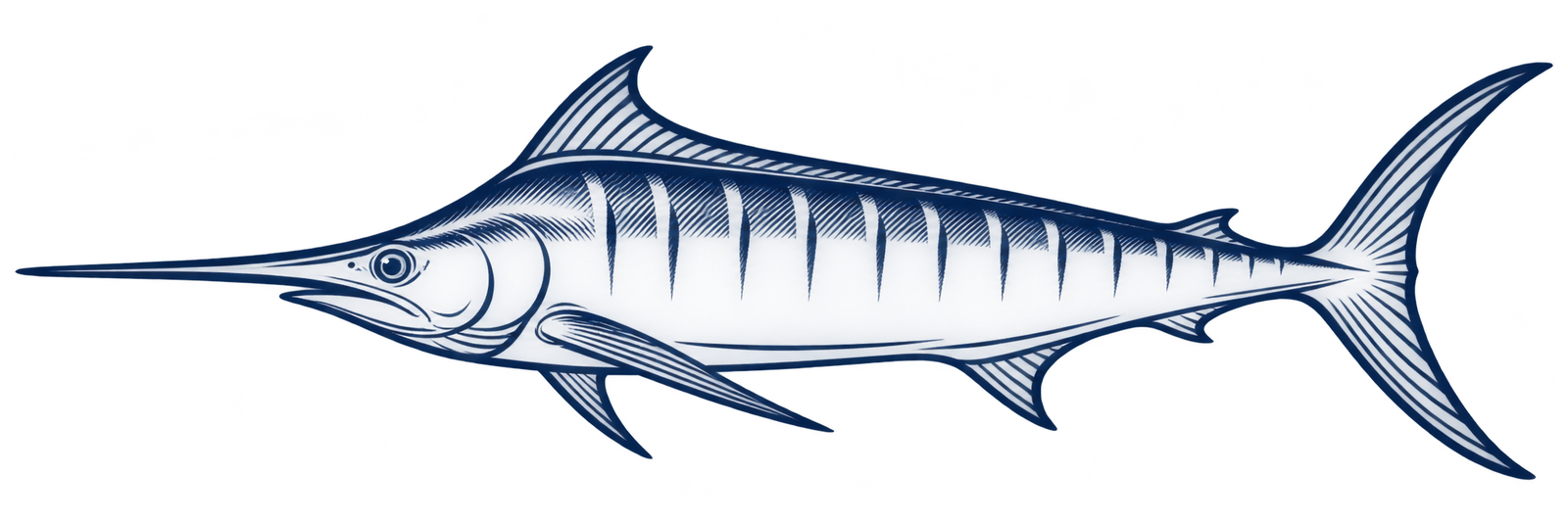
On the beaches, snook settle into the dawn and dusk pattern, and a few tarpon push through ahead of the June peak. Offshore, mahi are mostly schoolies, and kingfish deliver daily action.
Where to Find Them
Tailing schools work the JBs, the Pole and Troll zones and the Whale Tail areas of Mosquito Lagoon. The Indian River from Titusville down to Sebastian delivers the species mix, and trout sit on deeper grass flats in 3-5 feet, with the Wabasso and Vero Beach flats reliable. Beach snook run from Cocoa Beach through Vero Beach. Offshore, run 8-15 miles east from Sebastian Inlet to weed lines for mahi, and fish nearshore reefs in 60-80 feet for kings.
Tides & Conditions
Reds tail on the lower tides, and first light through about 9 AM is the consistent window. At Sebastian Inlet, the night incoming tide is the high-percentage window for snook, jacks and tarpon. Water temperatures climb into the upper 80s in the Lagoon, afternoon thunderstorms begin to build, and the new moon on June 5 brings a strong tarpon push and active migration cycles.
Tackle & Tactics
Sight cast tailers with weedless gold spoons, 1/4 oz weighted soft plastics or live shrimp on light tackle. Light leader (20-25 lb fluoro) and quiet boat handling are essential.
For bigger river snook, fish live mullet or pilchards on circle hooks, with heavy tackle essential around the bridge pilings. At Sebastian Inlet, heavy tackle is required: 40 lb fluoro and a 6500-class reel minimum. Black drum eat live shrimp or cut clam on circle hooks, and trout eat live shrimp under a popping cork.
Beach snook hit white or bone-colored swimming plugs and DOA Bait Busters in the trough with explosive surface strikes. Run the beach at first light to sight cast tarpon. Offshore, troll ballyhoo on light fluoro for mahi and slow-troll live blue runners for kings.
Local Intel This Week
Sebastian Inlet State Park anchors the inlet fishery. The Wabasso Causeway gives access to the Wabasso grass flats and bridge fish, and Round Island Riverside Park and Donald MacDonald Park are further river access points.
Catch-and-release ethics are non-negotiable in the Lagoon: slot fish only, quick photos, careful release into clean water and no oversized fish in the boat for photos. Beach snook are in catch-and-release season (verify FWC dates). Check current FWC and federal regulations and seasons before keeping fish.
This Week’s Tip
Be on the Mosquito Lagoon flats at first light on the lower tide. When you spot a tail, land a weedless gold spoon past and ahead of the fish, then draw it into its path. Then fish Sebastian Inlet snook on the night incoming.
Planning a trip to Indian River Lagoon?
This report tells you what happened. ReelAI tells you what to do about it — a briefing for your date, your target species and how you're fishing, built from our reports plus live NOAA and USGS data.
Powered by ReelAI — fishing.digital's intelligence layer. Answers are generated from fishing.digital reports and public NOAA, NWS and USGS data, and may be incomplete or out of date. Regulations and marine safety information are summaries only; always confirm with the responsible authority before you fish.