
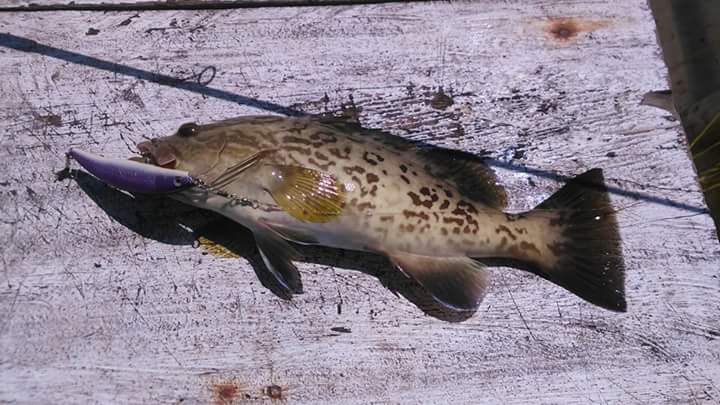
Panama City fishing report for the week of October 22, 2026. Fall is on, and the bays and passes around Panama City are filling with redfish, flounder and mackerel.
What’s Hitting
Bull reds are at the St. Andrews Pass jetties and along the beach, flounder are staging near the pass and bay edges, and Spanish mackerel and bluefish are off the piers. Speckled trout are on the grass flats, and sheepshead are around bridges and docks.
Looking ahead, flounder should continue building as water temperatures drop, with sheepshead action improving through the winter.
Where to Find Them
Fish the jetties at St. Andrews Pass on the outgoing tide for reds and flounder. Work the piers at Panama City Beach for Spanish mackerel, drift the grass flats of St. Andrews Bay for trout, and fish bridge pilings for sheepshead.
Tides & Conditions
With the moon heading toward full, tides are building. Moving water at the pass is the best window. Check a current tide chart and the wind forecast.
Tackle & Tactics
Live shrimp, mud minnows and cut mullet are the staples. A small silver spoon for mackerel and a jig for trout. Use 20 pound fluorocarbon for reds and drop to 15 for trout.
On the jetties, cast beyond the rocks and bring the bait back along the edge.
Local Intel This Week
Public access includes St. Andrews State Park, Dan Russell Pier at Panama City Beach, and Hathaway Bridge area ramps. Check current FWC regulations and seasons before keeping any fish, especially redfish, flounder and trout.
This Week’s Tip
Stay alert on the rocks. Wet jetty stones are slick, so wear good shoes.
More Panama City Resources
All Panama City fishing reports · Seasonal fishing calendars · Submit your own report
Planning a trip to Panama City?
This report tells you what happened. ReelAI tells you what to do about it — a briefing for your date, your target species and how you're fishing, built from our reports plus live NOAA and USGS data.
Powered by ReelAI — fishing.digital's intelligence layer. Answers are generated from fishing.digital reports and public NOAA, NWS and USGS data, and may be incomplete or out of date. Regulations and marine safety information are summaries only; always confirm with the responsible authority before you fish.