Updated: Thursday, September 3, 2026 · Next update: Thursday, September 10, 2026
This Panama City fishing report covers early September, when Labor Day passes, the beaches quiet down and the fishing improves by the day. Spanish mackerel running St. Andrews Pass and the piers are the lead target and the easy action. The first bull reds of fall show along the beach, and the bay flounder action starts its climb toward the October peak. Plan around the strongest outgoing tides at the pass and the summer schedule of afternoon thunderstorms.
What’s Hitting
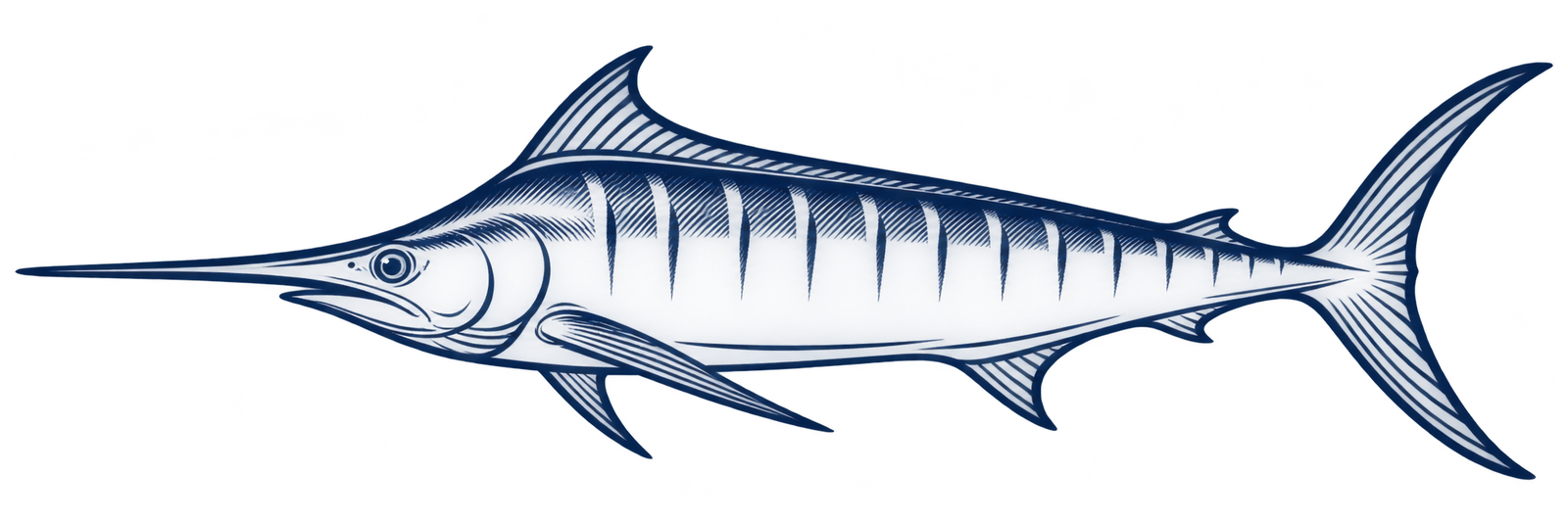
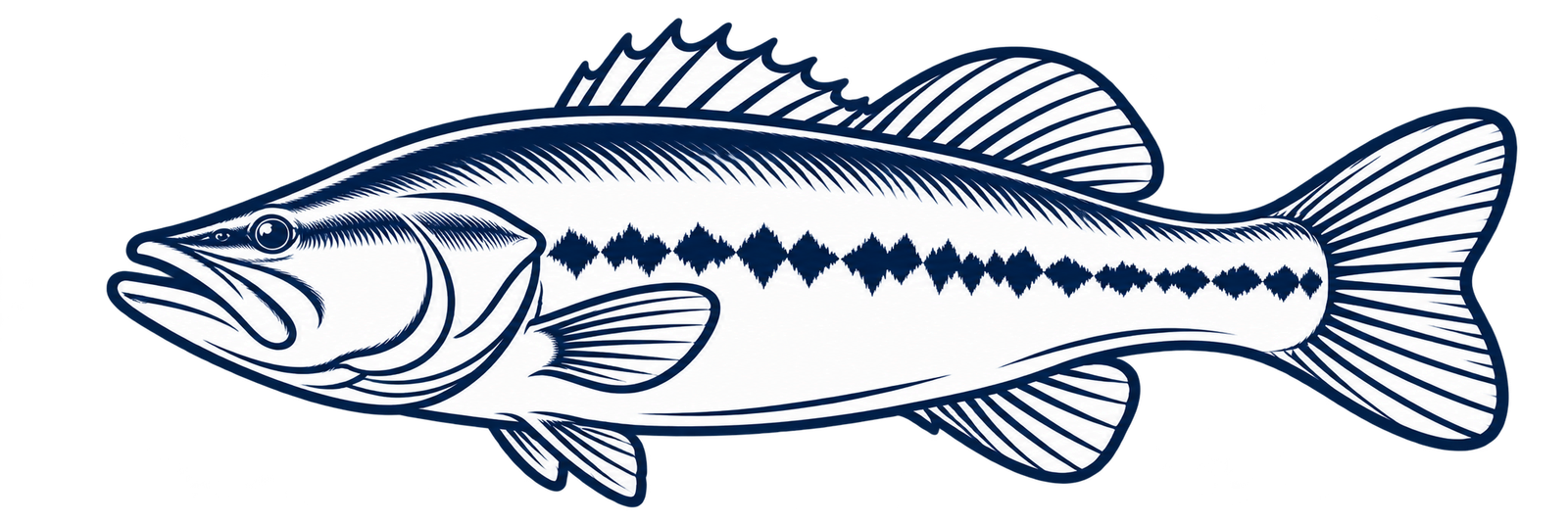
Spanish mackerel stack up at St. Andrews Pass and in front of the Panama City Beach piers on the bait. Bull redfish begin to show along the beach and at the pass in the mornings. Flounder pick up around the pass rocks, the bay bridges and the docks.
Trout and slot reds work the grass in West Bay and North Bay early, and king mackerel sit on the nearshore wrecks and bait schools. Bottom fishing on the public reefs is steady for vermilion snapper, triggerfish and grouper; check the seasons first.
Where to Find Them
St. Andrews Pass and the jetties on the state park side are the top spot for Spanish, reds and flounder on the outgoing tide. The Russell-Fields and M.B. Miller piers offer Spanish, kings and the occasional tarpon; piers reach past the breakers into deeper water where bait schools travel.
The grass flats of West Bay and the mouth of East Bay hold trout and slot reds. Shell Island and the beach east of the pass are where the bull reds show.
Tides & Conditions
Gulf water temperatures sit in the mid-80s. The strongest outgoing tides fish best at the pass, because a falling tide pulls bait out of the bay in a concentrated stream. Calm mornings let you fish the beach from a small boat or a kayak.
Afternoon thunderstorms stay on the summer schedule. Early September is the peak of hurricane season, so check the tropics before any long run.
Tackle & Tactics
Keep it simple and rig for the pass:
- Spanish mackerel: a Gotcha plug, a small spoon or a straw rig cast into feeding fish on a short wire or 40-pound mono trace.
- Bull reds: a chunk of mullet or a live menhaden on a 5/0 circle hook.
- Flounder: a bull minnow or finger mullet on a jig head worked slowly along the bottom, which keeps the bait in front of a fish lying flat on the sand.
- Kings: a slow-trolled live bait on a stinger rig.
- Mornings: keep a topwater rigged for reds and jacks pushing bait on the beach.
Local Intel This Week
Launch at the St. Andrews State Park ramp to be minutes from the pass and the jetties. The Carl Gray Park ramp gives quick access to the bay bridges for flounder, and the Earl Gilbert Park ramp in Parker and the Lynn Haven Bayou ramp cover the inner bays and grass flats.
Expect fish to concentrate at the pass, along the beach in the mornings and around bridge and dock structure for flounder. Reef species in particular have seasons that shift this time of year. Check current FWC and federal regulations and seasons before keeping fish.
This Week’s Tip
Spanish mackerel cut through anything but wire, and wire cuts down on strikes. Split the difference with 40-pound fluorocarbon and check it after every fish, replacing it the moment it frays.
Planning a trip to Panama City?
This report tells you what happened. ReelAI tells you what to do about it — a briefing for your date, your target species and how you're fishing, built from our reports plus live NOAA and USGS data.
Powered by ReelAI — fishing.digital's intelligence layer. Answers are generated from fishing.digital reports and public NOAA, NWS and USGS data, and may be incomplete or out of date. Regulations and marine safety information are summaries only; always confirm with the responsible authority before you fish.