Updated: Thursday, August 6, 2026 · Next update: Thursday, August 13, 2026
This San Diego fishing report covers early August, the best stretch of the Southern California year. Bluefin tuna are the lead target, spread across a wide offshore zone in upper-60s to low-70s water and within reach of the day-and-a-half fleet. Local kelp fishing for calico bass holds up for anglers who skip the long run. The main condition to plan around is the thick morning marine layer, which usually burns off by mid-morning, so run carefully until it lifts.
What’s Hitting
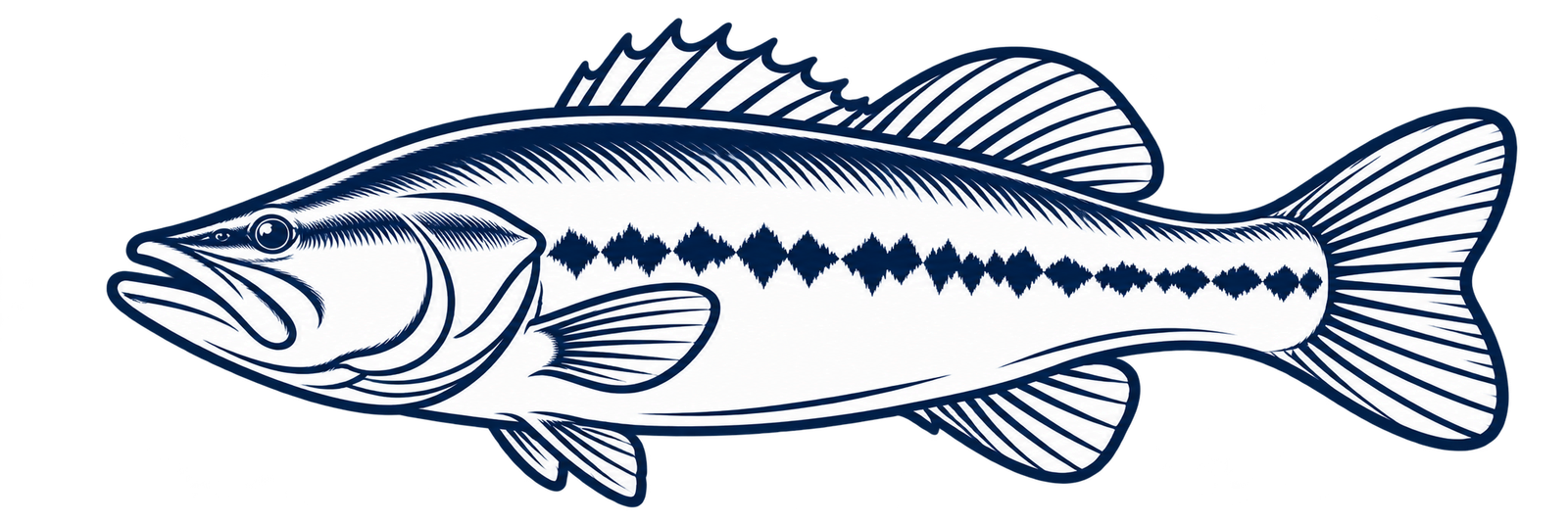
Bluefin are the main event, with a good mix of sizes. The bigger fish are finicky and reward boats willing to fish flying-fish patterns at night or throw a big surface iron at breaking schools. Yellowtail work the banks, the Coronado Islands and kelp paddies, and dorado show under the same paddies as the water warms. Yellowfin mix in offshore. Inshore, calico bass on the kelp and hard structure are a reliable light-tackle option, with sand bass on the flats and halibut on the sand. Bonito and barracuda roam in pockets.
Where to Find Them
Offshore, work the zones outside the 43 and the 302 and run to breaking fish and paddies. Stop on any kelp paddy in the offshore lane for yellowtail and dorado. The Coronado Islands, when open and accessible, hold yellowtail and calico. Inshore, the La Jolla and Point Loma kelp beds are the calico program, and the flats off Imperial Beach and Mission Bay give up halibut and sand bass.
Tides & Conditions
Offshore surface temperatures run 68 to 72, with blue water in the outer zones. Expect seas of one to three feet and a light morning breeze that builds in the afternoon. Inshore water sits in the mid-60s. The morning marine layer is thick, so rely on radar until it clears. Tides are moderate, and the inshore halibut bite is better on moving water.
Tackle & Tactics
Gear up for the fishery you choose:
- Bluefin: 60- to 100-pound fluorocarbon, quality circle hooks and the patience to fish a sardine or flying-fish pattern properly. A big surface iron thrown at a breaking school is one of the most effective techniques when the fish come up.
- Paddy yellowtail: a live sardine, or a heavy iron dropped and cranked.
- Calico bass: a swimbait or plastic on a light head worked right along the kelp edge. Cast into the stringers, not away from them.
- Halibut: drift a live bait or a bounce ball on the sand.
Local Intel This Week
The Shelter Island, Dana Landing and Chula Vista ramps are the practical launches for private boats: Dana Landing for Mission Bay, Shelter Island for Point Loma and the offshore run, and Chula Vista for the south bay. The sportfishing landings at Point Loma, including Fisherman’s Landing, run the offshore trips. Shore anglers can find bass around the Ocean Beach and Crystal Pier structures. Fish concentrate on kelp, paddies and breaking schools rather than open water. Bluefin, yellowtail and halibut carry size and bag restrictions, and fishing in Mexican waters requires a Mexican license. Check current state and federal regulations and seasons before keeping fish.
This Week’s Tip
When you find a kelp paddy, do not idle up and stop on top of it. Shut down well upwind and drift onto it while tossing a few live baits ahead of the boat. Yellowtail and dorado under a paddy scatter at the sound of an engine overhead, but a quiet drift with chum in the water brings them right up to the transom.
Planning a trip to San Diego?
This report tells you what happened. ReelAI tells you what to do about it — a briefing for your date, your target species and how you're fishing, built from our reports plus live NOAA and USGS data.
Powered by ReelAI — fishing.digital's intelligence layer. Answers are generated from fishing.digital reports and public NOAA, NWS and USGS data, and may be incomplete or out of date. Regulations and marine safety information are summaries only; always confirm with the responsible authority before you fish.