Updated: Thursday, August 6, 2026 · Next update: Thursday, August 13, 2026
Early August on the Great Lakes is all about thermoclines, downriggers and long runs to the right water. This Great Lakes fishing report covers the summer program: king salmon staging on temperature breaks off the Michigan ports, Lake Erie walleye suspended in deep water, and smallmouth bass on offshore reefs. It is a technical month, but a productive one for anglers who fish depth precisely.
What’s Hitting
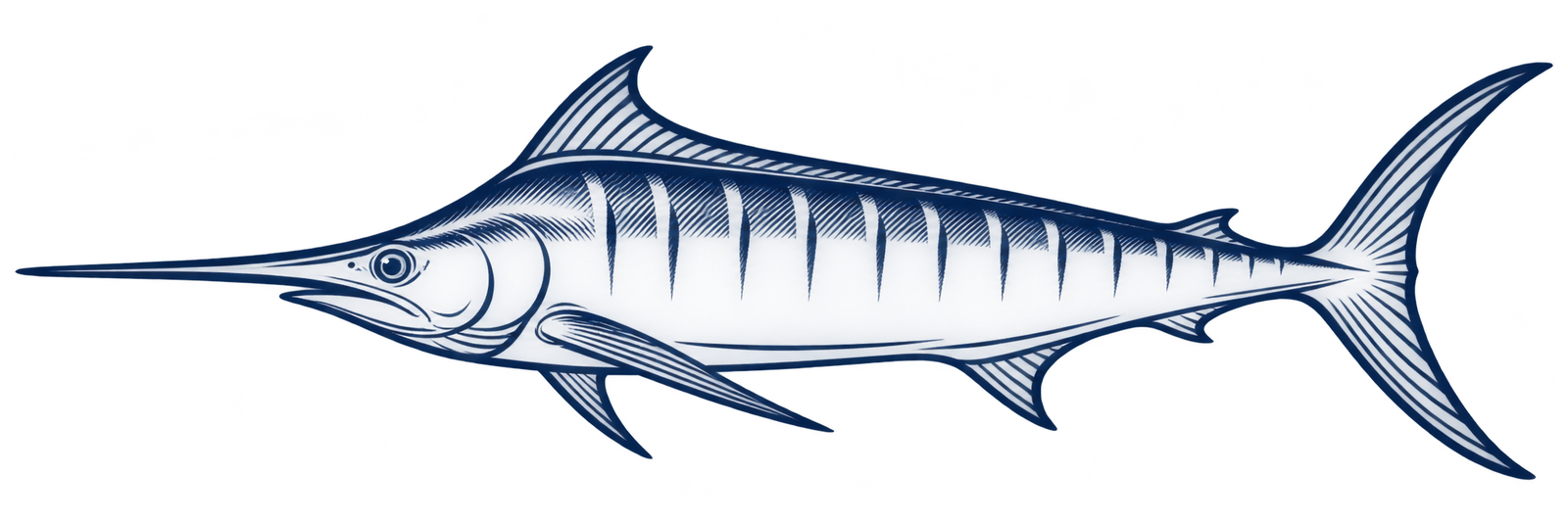
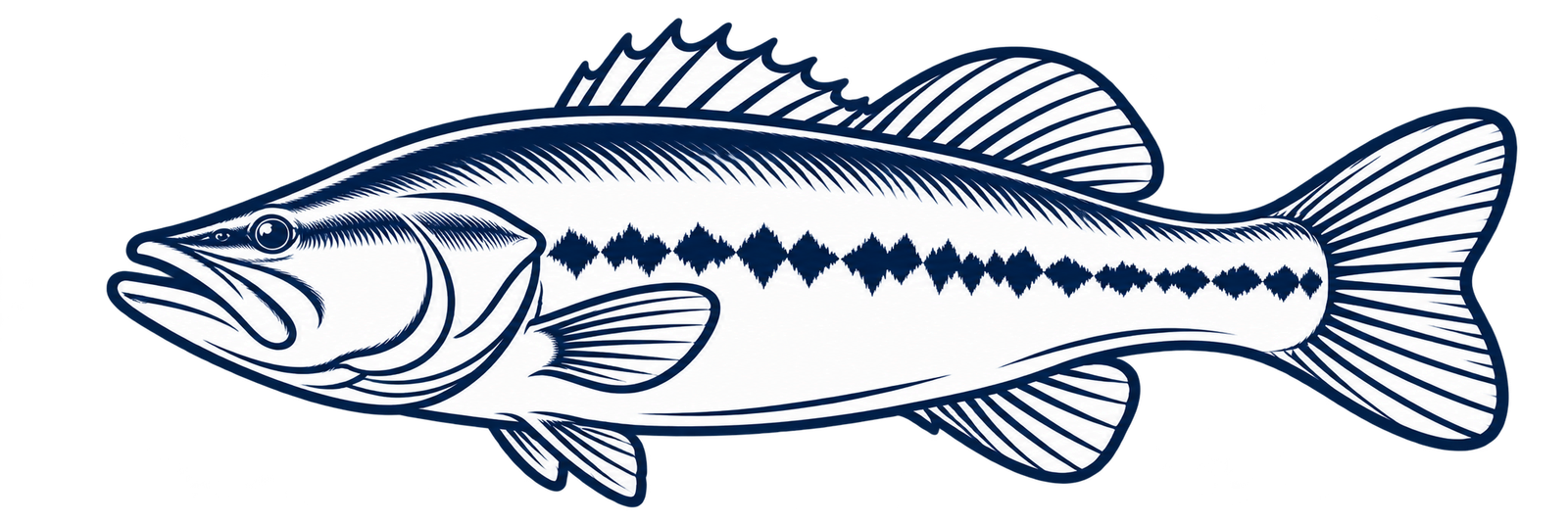
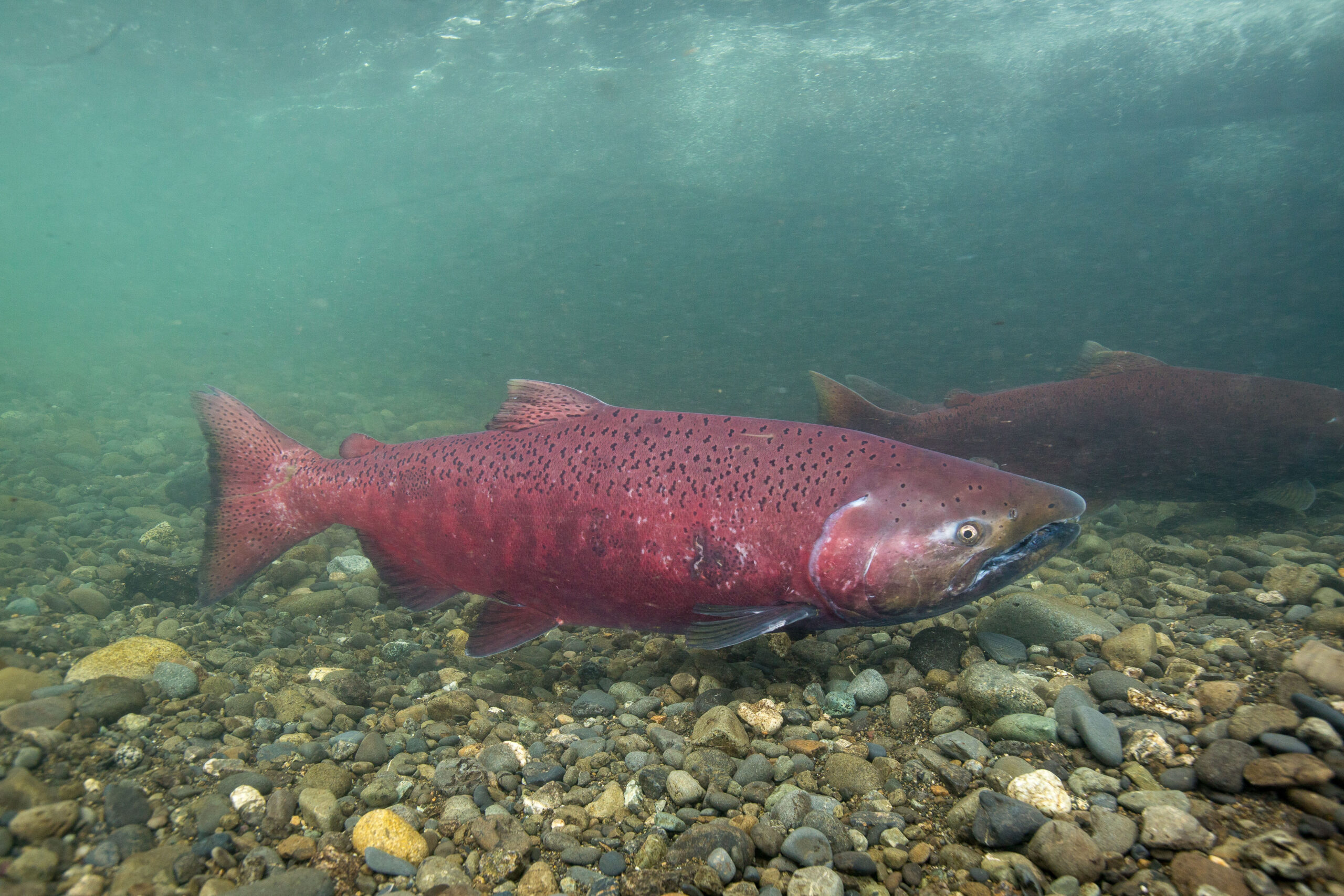
King salmon lead on Lake Michigan, staging off the ports and holding on the thermocline in 80 to 150 feet of water. Coho and steelhead ride higher in the column, and lake trout hold near bottom. On Lake Erie, walleye go deep and suspend in the central basin; target the 40- to 70-foot range with planer boards and dipsy divers. Smallmouth bass are a strong option on offshore reefs and rock structure in Erie, Huron and the St. Lawrence system, and yellow perch school in the Erie basin. Muskie are around in the Thousand Islands and the western basin but remain a low-percentage summer target.
Where to Find Them
Off the Michigan ports of Ludington, Manistee and Frankfort, run out to the temperature break and look for the thermocline stacking bait. On Erie, the central basin north of Cleveland and Fairport is the deep-walleye program, while the western basin reefs hold smallmouth and some walleye. Look for Erie smallmouth on offshore rock piles in 20 to 35 feet. The St. Lawrence shoals hold smallmouth and pike.
Tides & Conditions
The Great Lakes have no meaningful tide, so temperature and wind drive the pattern. Expect surface temperatures around 70 to 75 degrees with a well-established thermocline. Erie in particular can go from glass to unfishable in an hour, so watch the marine forecast closely and be conservative about long runs. Clarity is usually better on Michigan and more variable on Erie after wind or algae. Early morning is the most consistent window for the salmon program.
Tackle & Tactics
Salmon trolling means downriggers, dipsy divers and lead core to cover the column, running flasher-and-fly combinations and spoons. Find the temperature break with a probe and fish it precisely; a few feet matters. Target Erie walleye with worm harnesses behind bottom bouncers or crankbaits on planer boards set to the marked suspension depth. On the reefs, smallmouth eat a drop shot, a tube or a goby-imitating plastic worked slowly over rock. Perch want a small hook and a live emerald shiner on a spreader rig.
Local Intel This Week
Ludington and Manistee both have public ramps that serve the Michigan salmon fleet. On Erie, the ramps at Fairport Harbor, Geneva State Park and Catawba Island are the primary access points. Focus on temperature breaks and structure rather than open water, since fish concentrate there instead of spreading evenly. Seasons and bag rules vary between Michigan, Ohio, New York and Ontario waters.
Check current state and federal regulations and seasons before keeping fish.
This Week’s Tip
If you are marking bait but not fish, move the gear up or down five feet before changing lures. In August, salmon hold in a narrow temperature band and will not chase far vertically in warm water, so a spoon set at the right depth outfishes the perfect lure at the wrong one. Put a temperature probe on a rigger and use it.
Planning a trip to Great Lakes?
This report tells you what happened. ReelAI tells you what to do about it — a briefing for your date, your target species and how you're fishing, built from our reports plus live NOAA and USGS data.
Powered by ReelAI — fishing.digital's intelligence layer. Answers are generated from fishing.digital reports and public NOAA, NWS and USGS data, and may be incomplete or out of date. Regulations and marine safety information are summaries only; always confirm with the responsible authority before you fish.