Updated: Thursday, May 14, 2026 · Next update: Thursday, May 21, 2026
This San Diego fishing report covers the week of May 14, 2026, and mid-May settles the region into its spring offshore patterns. Yellowtail are the lead target, building at the Coronado Islands, where fly-lined live sardines are the textbook approach. White seabass work the kelp paddies and inshore reefs, and the first bluefin tuna of the year start to show offshore. The condition to plan around is wind: light westerlies midweek build on Friday, so make the run to the islands early.
What’s Hitting
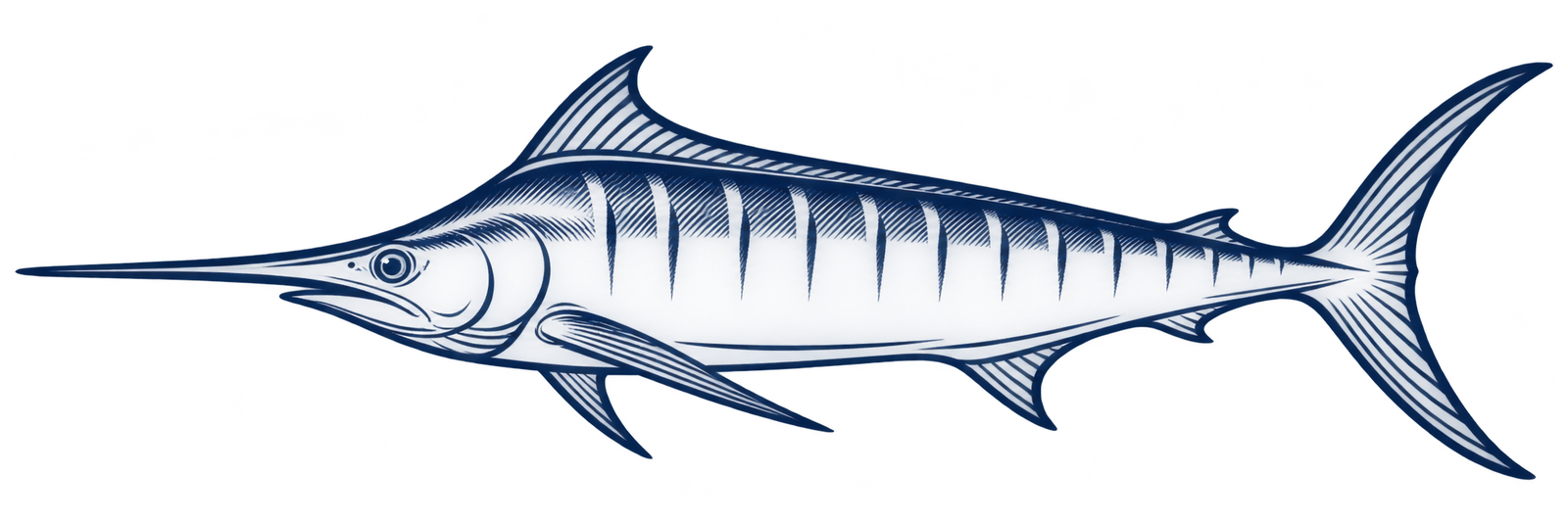
Yellowtail stack up at the Coronados, mostly 12–25 lb with the occasional jumbo over 30, and numbers build daily toward a June peak. White seabass in the 25–50 lb range roam the kelp and reefs, and bonito work the La Jolla kelp during the day.
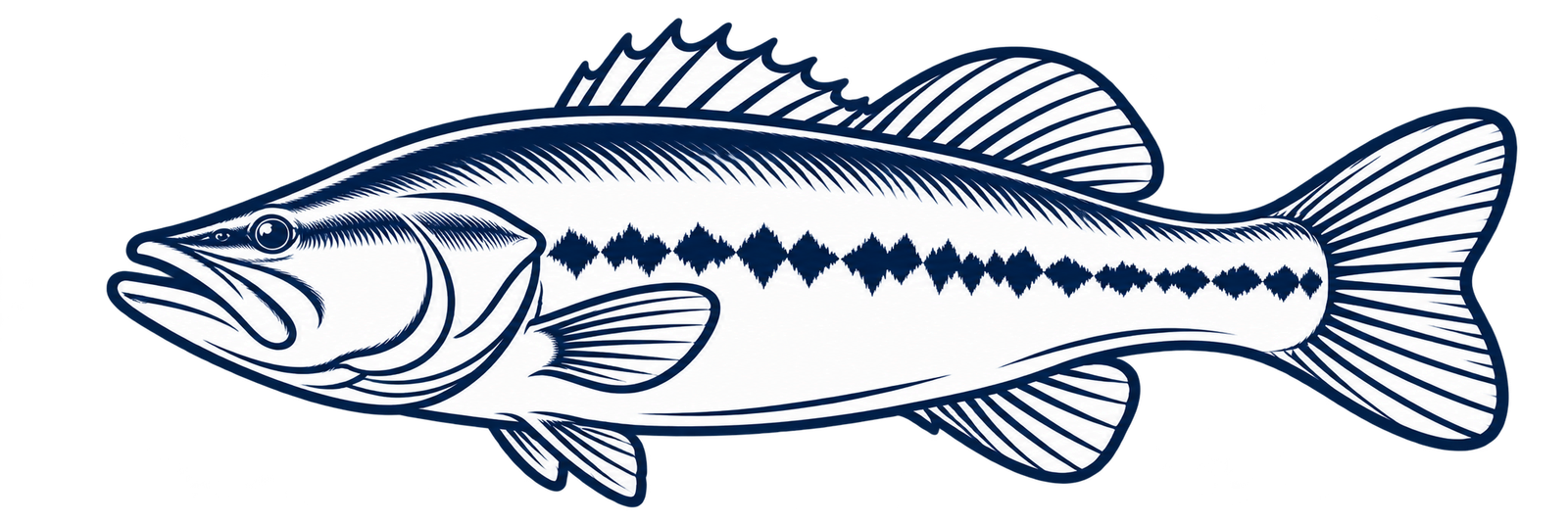
The first bluefin tuna show on the meter offshore, with numbers building through June and the bite due to fire by month-end. Inshore, sand bass and calico bass are excellent on the reefs and kelp, and halibut are active in the bay.
Where to Find Them
At the Coronados, North Island offers the best yellowtail action along the kelp edges in 60–120 feet, with the Middle Grounds and South Island also holding fish. For white seabass, La Jolla Cove and the Point Loma kelp are the most reliable, and the Imperial Beach reef gives up seabass and yellowtail to boats willing to soak baits on the bottom.
The Imperial Beach reefs also hold sand bass and calico, with halibut on the sandy edges. Bluefin boats run 40–60 miles to the 9 Mile Bank, the 425 and beyond. Inside the bay, the Coronado Bays grass flats hold sand bass and halibut.
Tides & Conditions
Water temperatures run 62–66°F. The new moon on Saturday brings strong tides all week, which moves bait along the kelp and through the bay channels. Expect light westerly wind Wednesday and Thursday, building Friday. Fish the seabass kelp at dawn and dusk, and plan the island run for the calm early hours.
Tackle & Tactics
- Yellowtail: live sardines on a 2/0 circle hook, fly-lined with no sinker while drifting the kelp paddies, or with a light sinker to get down.
- White seabass: live squid when you can get it, or live sardines, fished slowly near the kelp bottom; the La Jolla kelp beds are also a night option.
- Bluefin: kite fishing with live flying fish, or run-and-gun popping with topwater stickbaits on schools.
- Bass: plastics on a leadhead, or live bait.
- Halibut: drift the bay channels with live anchovies on a sliding sinker rig, which lets the fish run without feeling weight.
Local Intel This Week
Overnight and offshore trips to the islands and banks leave from sportfishing landings such as Fisherman’s Landing and H&M Landing. Trailer boaters launch at the Shelter Island Boat Ramp or the South Shores Boat Launch; Shelter Island is the shortest run out to Point Loma and the open ocean, while South Shores suits a bay halibut drift. Shore anglers can work the Ocean Beach Pier. A California sport fishing license is required. Check current state and federal regulations and seasons before keeping fish.
This Week’s Tip
Make the run early. With the westerly building Friday, the first boats to reach North Island get the cleanest drifts; fly-line a sardine with no sinker along the kelp edge and let it swim naturally away from the boat.
Planning a trip to San Diego?
This report tells you what happened. ReelAI tells you what to do about it — a briefing for your date, your target species and how you're fishing, built from our reports plus live NOAA and USGS data.
Powered by ReelAI — fishing.digital's intelligence layer. Answers are generated from fishing.digital reports and public NOAA, NWS and USGS data, and may be incomplete or out of date. Regulations and marine safety information are summaries only; always confirm with the responsible authority before you fish.