
Northeast Florida in late August runs on tide and timing. The St. Augustine Inlet moves a tremendous amount of water, the marsh creeks behind the barrier islands heat up fast on a low tide, and the nearshore reefs are holding bait. This is also the window when the first mullet start to trickle south, which brings the whole system to life.
What’s Hitting
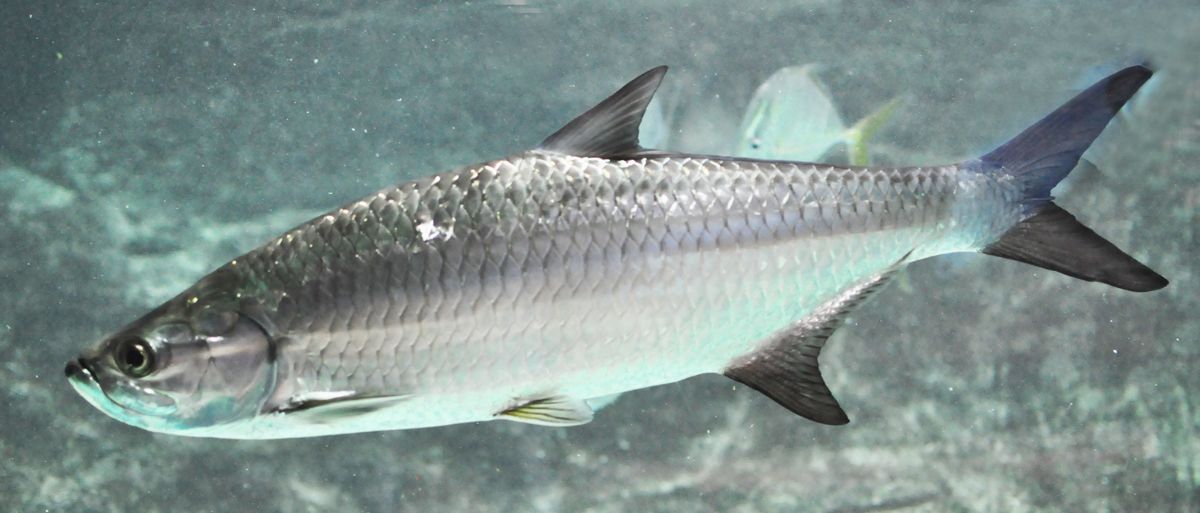
Tarpon are the highlight, working the inlet and the beachfront on the moving tide and keying on the early mullet.
Redfish are in the marsh creeks and around the inlet jetties, with bull reds beginning to show at the inlet mouth as the month closes. King mackerel and Spanish mackerel are on the nearshore bait pods and reefs. Speckled trout are in the creeks and along the ICW grass edges early. Flounder are staging around the jetty rocks and the creek mouths, and mangrove snapper are on the nearshore ledges and the bridge structure.
Where to Find Them
The St. Augustine Inlet — the jetties, the channel and the beachfront on either side — is the center of everything right now. Fish the moving tide, and watch for rolling tarpon and pushing bait at first light.
Behind the barrier islands, the Tolomato and Matanzas river systems and their feeder creeks hold redfish, trout and flounder. Work the oyster bars, creek mouths and drains on a falling tide. Nearshore, the reefs and live bottom in 40 to 80 feet carry the kings and the snapper. The Vilano and Bridge of Lions areas hold snapper and reds around the structure.
Tides & Conditions
Tidal range here is significant — four to five feet is normal — so the tide dominates planning. Fish the last of the flood and the first of the ebb in the marsh, and the moving water at the jetties.
Water temps are in the mid 80s inshore and around 80 nearshore. Afternoon thunderstorms have been rolling off the mainland most days. Nearshore visibility is better on the incoming and turns off-color on a hard outgoing when the river system dumps. Mornings have been calm enough for the nearshore run most days this week.
Tackle & Tactics
For inlet tarpon, an 8000-class spinner, 50- to 65-pound braid and an 80-pound fluorocarbon leader with a live mullet or menhaden on a 7/0 circle, drifted with the tide rather than cast at fish.
Jetty and marsh redfish take a live mud minnow, a cut mullet chunk, or a half-ounce jighead with a paddletail bounced along the rocks — use a 40-pound leader against the barnacles. Trout in the creeks want a popping cork with a shrimp under it. For kings, slow-troll live pogies on a light wire stinger rig around the bait pods.
Local Intel This Week
Ramps and access: the Vilano Boat Ramp just north of the inlet, the Lighthouse Park ramp on Salt Run, the Butler Beach ramp on the Matanzas, and the Guana River ramps to the north. Shore anglers have excellent access at the St. Augustine Inlet jetties and along the Vilano Beach pier area.
Fish are concentrating at the inlet on moving water and in the marsh creeks on the fall, with the nearshore bait pods holding kings. Tarpon are effectively a catch-and-release fishery in Florida and require care in handling, and redfish, trout and flounder all carry state season and slot rules — check current FWC regulations before keeping fish.
This Week’s Tip
At the inlet, fish the last of the outgoing rather than the incoming if tarpon are your goal. The falling tide flushes bait out of the entire marsh system through one narrow opening, and the tarpon set up in the seams to intercept it. The same water on the flood is spread out and far less productive, even though it looks identical from the boat.
Planning a trip to St. Augustine / Northeast FL?
This report tells you what happened. ReelAI tells you what to do about it — a briefing for your date, your target species and how you're fishing, built from our reports plus live NOAA and USGS data.
Powered by ReelAI — fishing.digital's intelligence layer. Answers are generated from fishing.digital reports and public NOAA, NWS and USGS data, and may be incomplete or out of date. Regulations and marine safety information are summaries only; always confirm with the responsible authority before you fish.