Updated: Thursday, August 27, 2026 · Next update: Thursday, September 3, 2026
This Savannah fishing report covers late August, when coastal Georgia’s tidal range, the largest on the South Atlantic coast, turns from obstacle into advantage. The big tides of the cycle flood the spartina and let redfish into feeding grounds they reach only a few days a month, making flood-tide reds the lead target. The sounds hold tarpon for anglers willing to sit on a bait, and the tide table drives every plan.
What’s Hitting
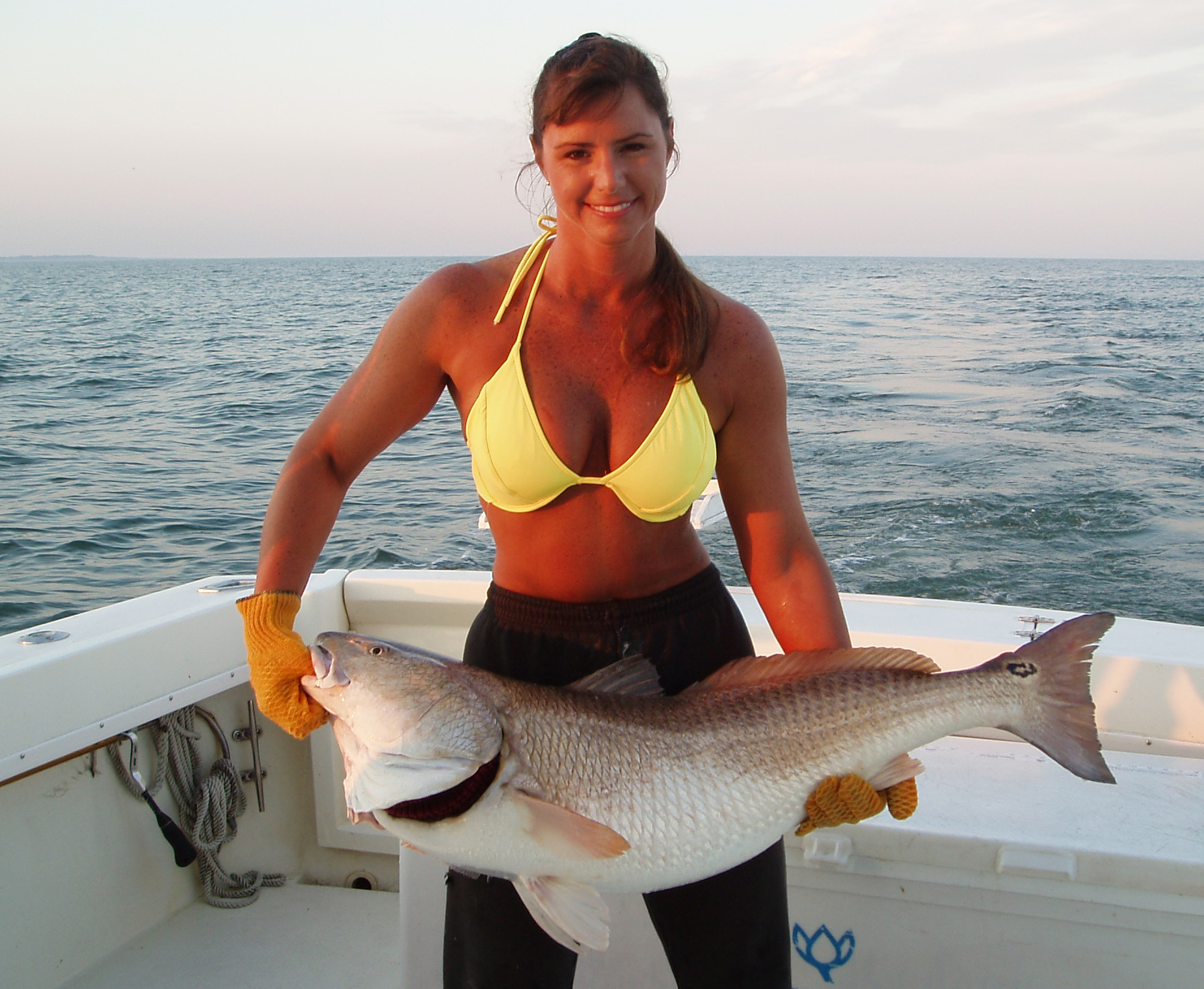
Flood-tide redfish are the marquee event. On the highest tides, fish push up into the grass after fiddler crabs and can be sight-fished with their tails showing.
Tarpon roam the sounds and river mouths. Speckled trout use the tidal creeks and oyster bars, best in the first hours of light. Flounder stage around creek mouths and structure. Sheepshead sit on the pilings and jetty rocks, and sharks fill the sounds.
Where to Find Them
Find flood-tide flats in the spartina marsh behind Tybee, Wassaw and Ossabaw islands and up the Wilmington and Skidaway river systems. The right tide height is the entire prerequisite.
Tarpon hold in Wassaw and Ossabaw sounds, around the river mouths and on the nearshore artificial reefs. Trout and flounder use the creeks off the Wilmington, Skidaway and Vernon rivers, on the oyster bars and creek-mouth drops. The Tybee area jetties and the Savannah River channel structure hold sheepshead and reds on moving water.
Tides & Conditions
Tidal range here runs seven to nine feet, exceptional for this coast, so the water is almost always moving hard. Plan everything around the tide table; a spot that is perfect at one stage is unfishable two hours later.
Flood-tide fishing needs a predicted high in the upper range of the cycle to put enough water in the grass, and those tides cluster around the new and full moons. Expect water in the mid 80s. Afternoon thunderstorms build daily over the marsh and can be violent, with very little shelter out there.
Tackle & Tactics
- Tailing reds: an 8-weight fly rod with a crab or shrimp pattern, or a light spinning outfit with a weedless soft plastic or gold spoon. Keep the presentation soft and well ahead of the fish; these are wary animals in inches of water.
- Tarpon: heavy spinning gear, 50- to 65-pound braid and an 80-pound fluorocarbon leader with a live menhaden or mullet on a circle hook, anchored up-current of a rip or a bar.
- Creek trout: a soft plastic on a light jighead, or live shrimp under a cork.
- Sheepshead: a fiddler crab on a small, strong hook fished tight against the piling.
Local Intel This Week
The Bull River Marina and Lazaretto Creek ramps near Tybee put you on the Tybee marsh and the jetties. The Frank W. Spencer Landing on Wilmington Island, the Isle of Hope Marina ramp and the Delegal Creek ramp on Skidaway cover the Wilmington and Skidaway creeks and the run to Wassaw and Ossabaw sounds. Shore anglers can fish the Tybee Island Pier and the Lazaretto Creek bridge area on moving water.
Georgia redfish, trout, flounder and sheepshead each carry their own size and creel rules. Check current state and federal regulations and seasons before keeping fish.
This Week’s Tip
Read the tide table two weeks out, not two days. Flood-tide redfishing in Georgia happens on a handful of mornings each month, and the rest of the time the grass lacks enough water. Circle those dates and plan your time off around them.
Planning a trip to Savannah / Coastal Georgia?
This report tells you what happened. ReelAI tells you what to do about it — a briefing for your date, your target species and how you're fishing, built from our reports plus live NOAA and USGS data.
Powered by ReelAI — fishing.digital's intelligence layer. Answers are generated from fishing.digital reports and public NOAA, NWS and USGS data, and may be incomplete or out of date. Regulations and marine safety information are summaries only; always confirm with the responsible authority before you fish.