Updated: Thursday, August 20, 2026 · Next update: Thursday, August 27, 2026
This Stuart fishing report covers the week of August 20, 2026, when the Treasure Coast calendar finally starts working in your favor. Late August puts snook on moving water at night around the bridge lights and the inlet, while the first ragged pods of finger mullet show along the beach north of the inlet. River water sits in the upper 80s and the afternoon storm line builds over the interior by two o’clock, so plan around gray light, dark tides and an early exit.
What’s Hitting
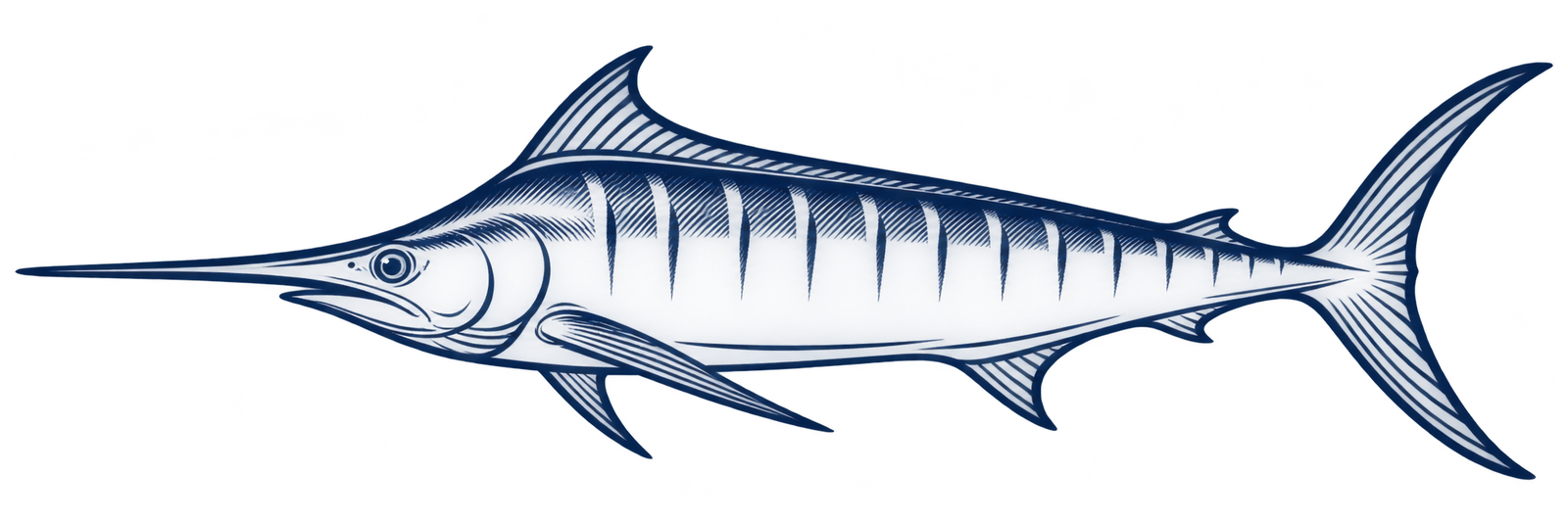
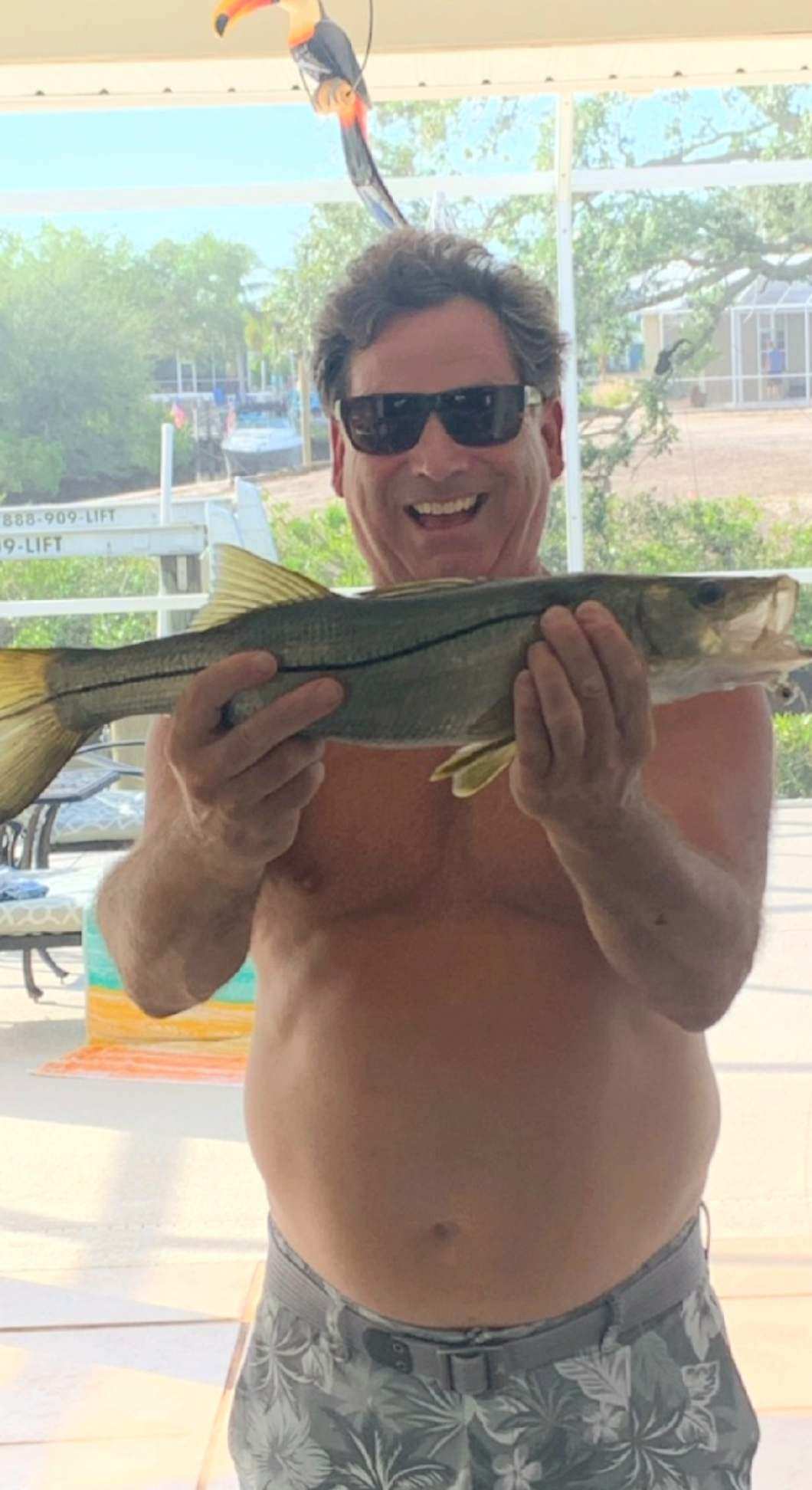
Mangrove snapper are the most dependable fish in the system, packed on the inlet jetty rock, the causeway rubble and the Roosevelt Bridge pilings. Snook eat hard on moving water at night; Atlantic-coast snook harvest stays closed for a few more days at this point in August, so plan on catch-and-release and handle fish in the water. Tarpon run the beach at first light and push inside the inlet on night tides, mostly 20- to 70-pound fish. Offshore, mahi are scattered on weedlines in 120 to 250 feet, and kingfish move back onto the nearshore reefs following the bait.
Where to Find Them
The St. Lucie Inlet rocks and the Sailfish Flats edge are the two highest-percentage zones. Work the beach from Peck Lake north to the inlet at gray light and look for nervous water rather than rolling fish. The early mullet are small and the predators under them are subtle. Inside, the Roosevelt and Evans Crary bridge lights hold snook and snapper after dark; the lights draw shrimp and baitfish, and snook sit in the shadow line waiting for them. The South Fork and Bessey’s Creek run fresher after rain, pushing juvenile snook and tarpon toward the creek mouths.
Tides & Conditions
A waxing moon into the first quarter means tides moderate from the previous week’s springs, with less brutal current through the inlet and a longer usable window on either side of the change. Expect inshore water at 86 to 89 degrees and low 80s offshore. Storms fire between 2 and 5 p.m. most afternoons. Nearshore visibility is good on the incoming and stained on the outgoing after a heavy rain day.
Tackle & Tactics
A 3000- to 4000-size spinning reel with 20- to 30-pound braid and 30- to 40-pound fluorocarbon handles nearly all the inshore work.
- Bridge snook: live pilchards, croakers and mullet after dark, or a three-quarter-ounce flair hawk swum slowly across the shadow line.
- Snapper: drop to 15-pound fluorocarbon and a small live shrimp on a 1/0 hook. The light leader genuinely matters in clear water.
- Beach: keep a 4000-size rod rigged with a swimbait that matches a four-inch mullet.
Local Intel This Week
Sandsprit Park is the workhorse inlet ramp and fills by 7 a.m. on weekends, so launch early or plan a weekday run. Leighton Park in Palm City and Phipps Park put you on the South Fork fast and stay far quieter. Shore anglers can work the Stuart Causeway catwalks after dark for snapper and the occasional snook. Fish concentrate on structure and moving water rather than spreading across open flats Check current FWC and federal regulations and seasons before keeping fish.
This Week’s Tip
When you find the first mullet pods, resist casting into the middle of them. Work the trailing edge and the down-current corner. Predators sit behind and below the pod picking off stragglers, and a lure that swims out of open water into the school looks like the one fish that got separated.
Planning a trip to Stuart?
This report tells you what happened. ReelAI tells you what to do about it — a briefing for your date, your target species and how you're fishing, built from our reports plus live NOAA and USGS data.
Powered by ReelAI — fishing.digital's intelligence layer. Answers are generated from fishing.digital reports and public NOAA, NWS and USGS data, and may be incomplete or out of date. Regulations and marine safety information are summaries only; always confirm with the responsible authority before you fish.