Updated: Thursday, August 6, 2026 · Next update: Thursday, August 13, 2026
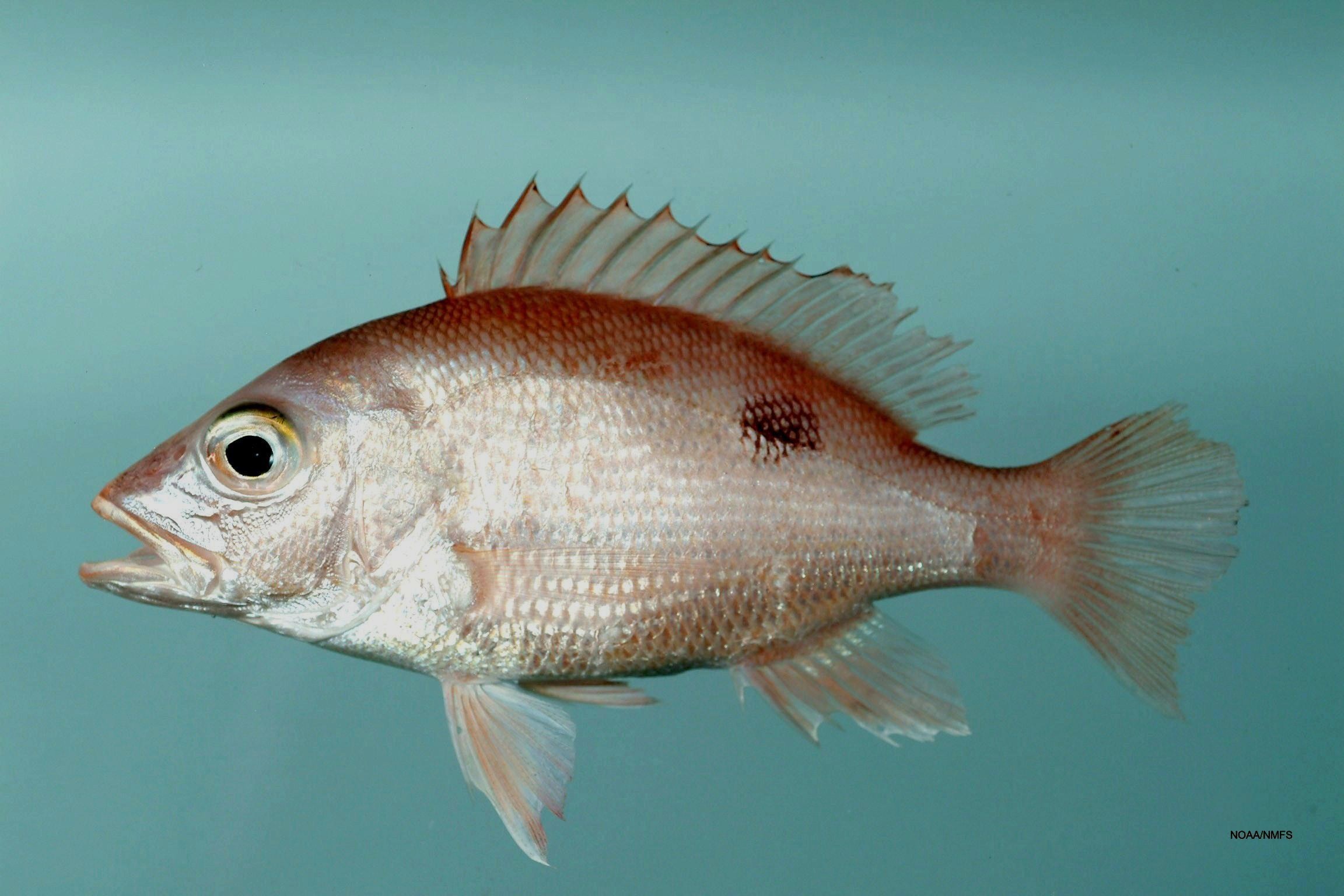
This Stuart fishing report covers early August, when the Stuart Crossroads settles into glassy, humid mornings, upper-80s water through the backcountry and thunderheads stacking over the interior by early afternoon. Mangrove snapper are the lead target, feeding best after dark around the bridges and inlet rocks. The productive window narrows to first light and full dark, so the condition to plan around is heat and the afternoon storm cycle. A sunrise launch fishes very differently from a nine o’clock start.
What’s Hitting
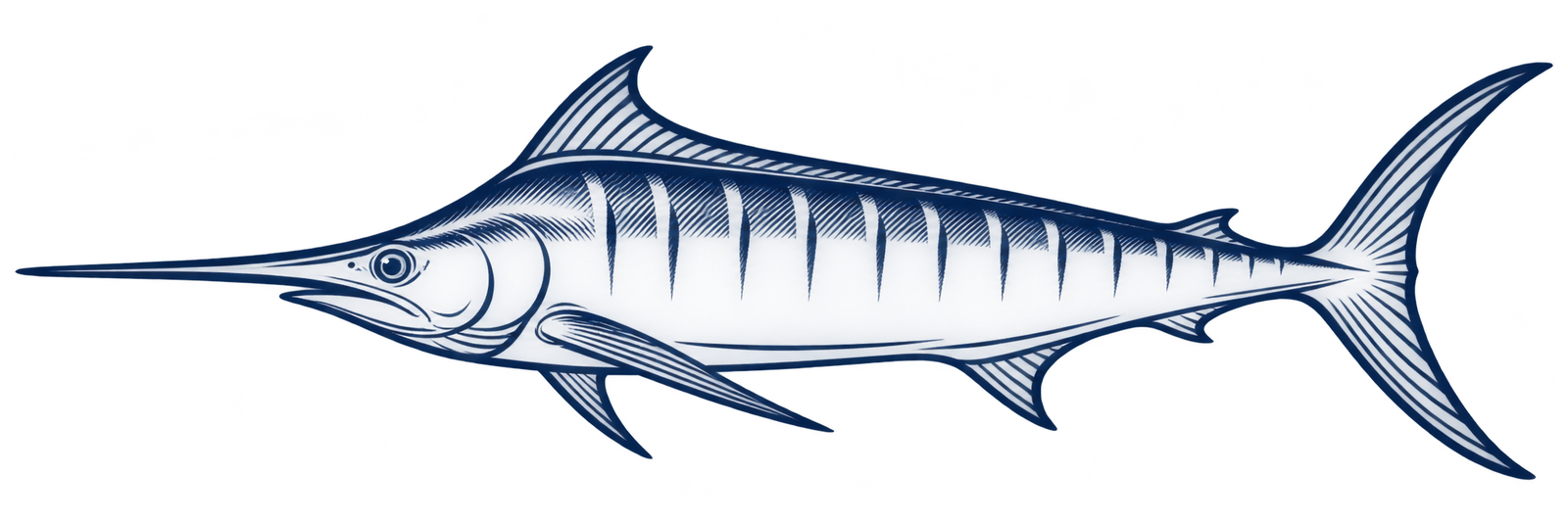
Mangrove snapper are the most dependable target in the system, thick around the Stuart Causeway, the Roosevelt Bridge pilings and the inlet rocks, and feeding best from full dark through the middle of the outgoing. Tarpon are available on the beach north and south of the St. Lucie Inlet on calm mornings, though pods are smaller and faster-moving than in June.
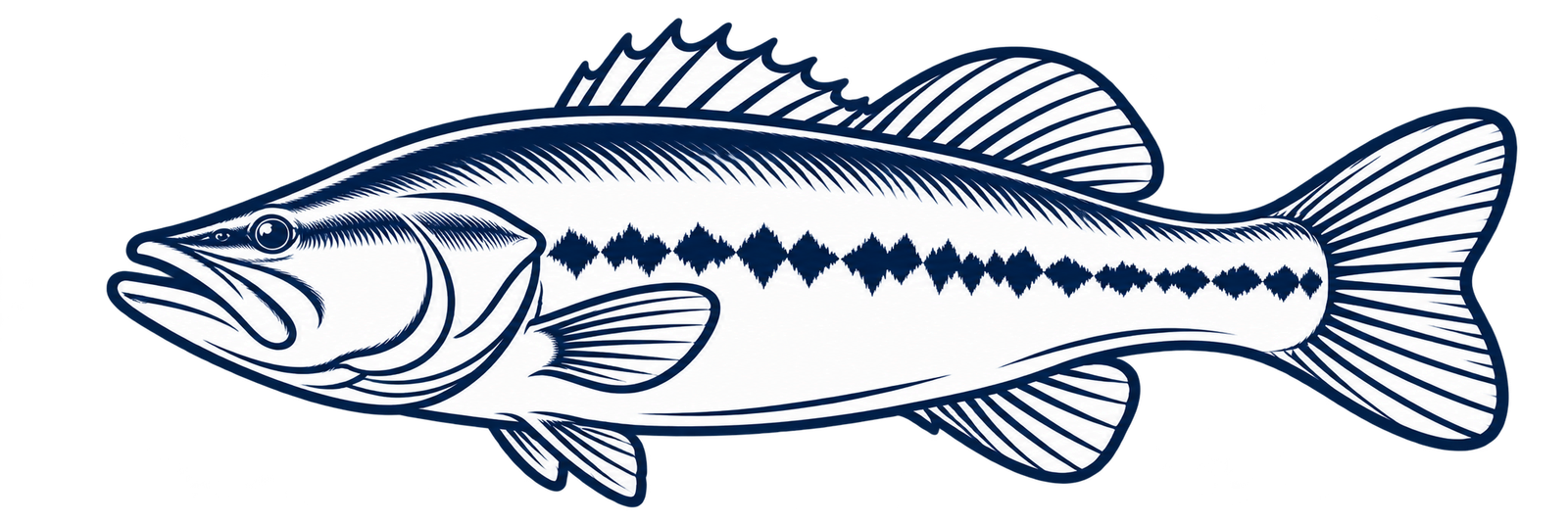
Snook stack around the inlet and bridge shadow lines but are closed to harvest, so treat them as a release fishery. Redfish and big seatrout show on the deeper edges of the South Fork early, and croaker, ladyfish and jacks keep light-tackle anglers busy.
Where to Find Them
Concentrate on moving water and hard structure: the inlet jetties, the Crossroads sandbar edges and the causeway catwalks. Give Bessey’s Creek and the mouth of the South Fork an early look for reds and trout before the sun gets on the water. Manatee Pocket is loaded with bait and small predators. Offshore, the color change offers scattered mahi and blackfin on a calm morning, with kingfish along the eight- to twelve-mile reef line.
Tides & Conditions
Expect water temps of 86 to 89 degrees inside and near 85 on the beach. Tides are moderate through midweek and build toward the weekend. The best inlet water is the early outgoing, which lines up with sunrise most days. Plan around the daily afternoon storm cycle and be back at the ramp by two. At these temperatures, released fish need a long, patient revival.
Tackle & Tactics
- Snapper: a knocker rig with 20-pound fluorocarbon, a small live-bait hook, and live shrimp or fresh-cut sardine tight to the pilings. Downsize the leader if fish look and refuse.
- Beach tarpon: a DOA Baitbuster or soft swimbait on 60-pound fluoro, so you can lead a moving pod without running it over.
- Snook: a flair hawk jig swung on the current or a live pilchard drifted along the dark edge of the shadow line.
- General: a 4000-class spinner with 40-pound leader covers most inshore work.
Local Intel This Week
Sandsprit Park and Leighton Park are the two workhorse ramps, and both fill by 6:30 a.m. on weekends, so arrive early. Phipps Park gives quicker access to the South Fork for the dawn redfish and trout run. Shore anglers do well on the Stuart Causeway catwalks after dark. Fish concentrate on the inlet and the bridges rather than the open mid-river flats, and several inshore species are under seasonal closures. Check current FWC and federal regulations and seasons before keeping fish.
This Week’s Tip
When snapper stop eating your shrimp, the problem is usually the leader, not the bait. Step down from 30-pound to 20 or even 15-pound fluorocarbon and pin the hook through the horn of the shrimp so it swims naturally. That one change turns a slow night into a steady one more often than any lure swap will.
Planning a trip to Stuart?
This report tells you what happened. ReelAI tells you what to do about it — a briefing for your date, your target species and how you're fishing, built from our reports plus live NOAA and USGS data.
Powered by ReelAI — fishing.digital's intelligence layer. Answers are generated from fishing.digital reports and public NOAA, NWS and USGS data, and may be incomplete or out of date. Regulations and marine safety information are summaries only; always confirm with the responsible authority before you fish.