
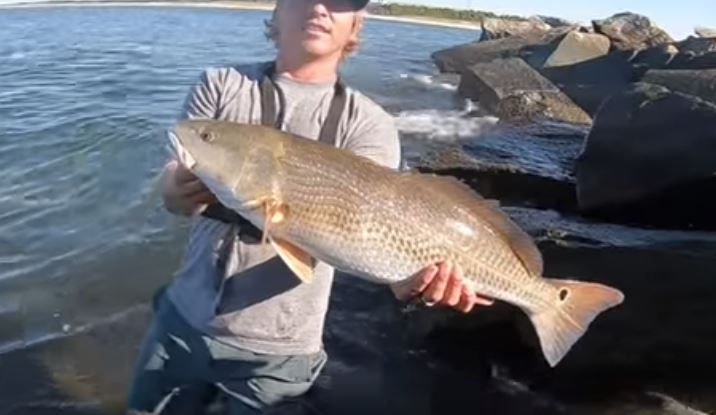
Tampa Bay fishing report for the week of October 22, 2026. Cooler mornings and active bait are keeping fish feeding hard on the flats and around the passes, and the full moon is coming.
What’s Hitting
Redfish are on shallow flats and mangrove edges, trout are holding on the grass in 3 to 5 feet, and snook are slowly moving from the beaches toward the backcountry. Spanish mackerel and bluefish are mixed in with the bait pods, and tripletail are around channel markers and crab trap buoys.
Looking ahead, expect snook to continue shifting toward creeks and warm-water refuges as nights cool, while redfish and trout fishing stays strong.
Where to Find Them
Work the flats of lower Tampa Bay and Boca Ciega Bay on a rising tide for redfish. Drift grass beds for trout, and fish the passes at Fort De Soto and the Skyway on the outgoing tide for snook and mackerel. Scan markers for tripletail.
Tides & Conditions
Tides are building toward the full moon, with bigger swings that flood the mangroves. Moving water early and late is best. Check a current tide chart and wind forecast.
Tackle & Tactics
Live shrimp under a popping cork for trout, a paddle-tail or gold spoon for reds, and live pilchards or small jerkbaits for snook and mackerel.
Topwater plugs over the grass at first light can produce explosive strikes.
Local Intel This Week
Public access includes Fort De Soto Park, Cypress Point Park in Tampa, and ramps around Weedon Island and Gandy. Check current FWC regulations and seasons before keeping any fish, as snook and redfish rules are specific.
This Week’s Tip
Look for birds. Diving terns mark bait pods, and trout and mackerel are underneath.
More Tampa Bay Resources
All Tampa Bay fishing reports · Seasonal fishing calendars · Submit your own report
Planning a trip to Tampa/St. Pete?
This report tells you what happened. ReelAI tells you what to do about it — a briefing for your date, your target species and how you're fishing, built from our reports plus live NOAA and USGS data.
Powered by ReelAI — fishing.digital's intelligence layer. Answers are generated from fishing.digital reports and public NOAA, NWS and USGS data, and may be incomplete or out of date. Regulations and marine safety information are summaries only; always confirm with the responsible authority before you fish.