Updated: Thursday, September 3, 2026 · Next update: Thursday, September 10, 2026
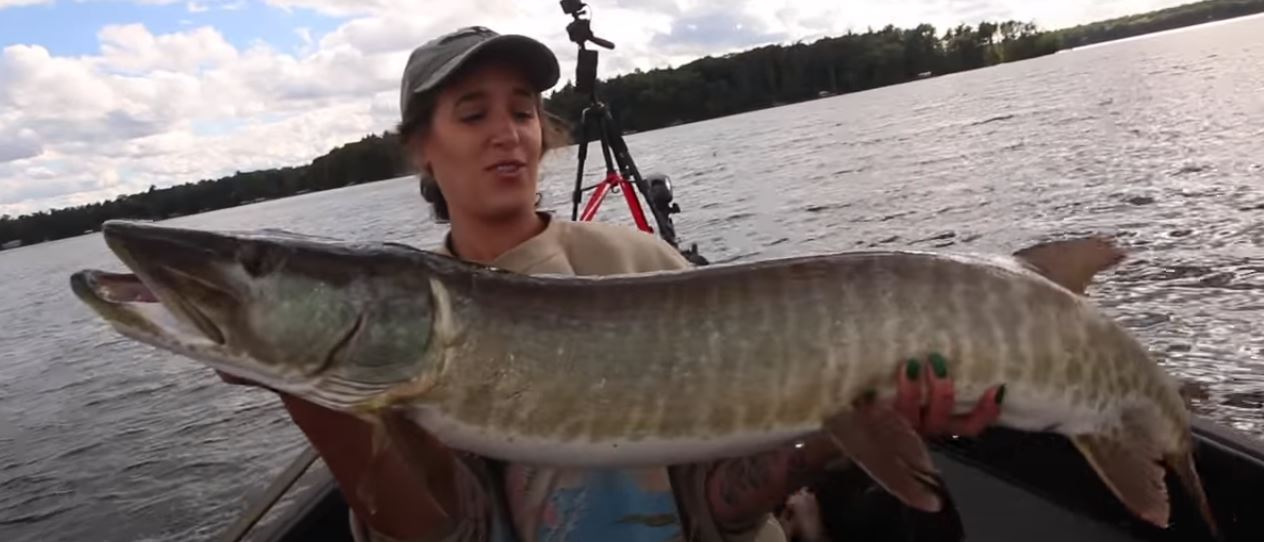
This Thousand Islands NY fishing report covers early September, the start of the serious muskie season on the St. Lawrence. Muskellunge are the lead target as cooling water moves big fish onto the shoals and current edges, and the trollers log long hours in the low light. Smallmouth school on the shoals and drop-offs, while walleye and pike work the weed edges in the bays. Plan around low light and the afternoon wind; this is the start of the best six weeks of the year on the river.
What’s Hitting
Muskellunge sit on the shoals and current edges from Cape Vincent down through Clayton and Alexandria Bay. Trollers pick up fish on the deep edges, and casters work the weed lines in the mornings and evenings. Smallmouth school on the rock shoals and drop-offs in 15 to 30 feet, with some big fish among them.
Walleye use the weed edges and current seams at dawn and dusk, and pike hang on the weed edges in the bays through the morning. Perch are starting to school up in the bays, which is early but welcome.
Where to Find Them
For muskie, work the shoals off Cape Vincent, the 40 Acre Shoal, the Clayton area current edges, and the shoals around Alexandria Bay and the Lake of the Isles. Smallmouth stack on the shoals off Cape Vincent, around Grenadier Island and on the drop-offs around the Admiralty Islands. Walleye are on the weed edges in Chippewa Bay and the current seams near Clayton. Pike are in Goose Bay, Chippewa Bay and along the Lake of the Isles weed edges.
Tides & Conditions
River temperatures in the upper 60s to low 70s and starting to fall are what move muskies onto the shoals. Low-light hours and overcast days are best for the muskie bite. The current runs steady, and calm mornings let trollers work the tight shoal edges. Current edges matter here because they sweep baitfish past ambush points, where predators feed without fighting the flow. Expect the wind to build on the open lake by afternoon.
Tackle & Tactics
- Muskie trolling: big crankbaits and jerkbaits on the shoal edges at 3 to 5 mph in 15 to 40 feet.
- Muskie casting: big bucktails, jerkbaits and swimbaits on the weed lines, with a figure-eight at the boat on every cast.
- Smallmouth: a drop-shot, a tube or a jerkbait on the shoals.
- Walleye: a worm harness or a jig on the weed edges.
- Pike: a spinnerbait or a spoon with a wire leader.
Local Intel This Week
The Cape Vincent village ramp puts you on the upper river shoals and Grenadier Island, and the Clayton French Creek ramp is the launch for the Clayton current edges and the 40 Acre Shoal. Downriver, the Alexandria Bay Keewaydin State Park ramp covers the Lake of the Isles, and the Chippewa Bay ramp drops you right on the walleye and pike weed edges. Expect muskie and smallmouth on the shoals and current edges, and walleye and pike in the bays. The St. Lawrence has a strict muskellunge minimum size and a strong catch-and-release ethic, and bass and walleye rules differ between the New York and Ontario sides. Check current state and federal regulations and seasons before keeping fish.
This Week’s Tip
Muskie on the St. Lawrence shoals follow the bait as it moves up in the water column at dusk. Run your trolling baits shallower in the last hour of light than at midday. A lure 10 feet down at sunset often beats the same lure at 25 feet.
Planning a trip to Thousand Islands NY?
This report tells you what happened. ReelAI tells you what to do about it — a briefing for your date, your target species and how you're fishing, built from our reports plus live NOAA and USGS data.
Powered by ReelAI — fishing.digital's intelligence layer. Answers are generated from fishing.digital reports and public NOAA, NWS and USGS data, and may be incomplete or out of date. Regulations and marine safety information are summaries only; always confirm with the responsible authority before you fish.