Updated: Thursday, September 3, 2026 · Next update: Thursday, September 10, 2026
This Lake Champlain fishing report covers early September, the best smallmouth fishing of the year on the lake, and the tournament anglers know it. Smallmouth bass are the lead target, schooled on the rocky points and drop-offs from the Inland Sea down to the main lake. Pike work the weed edges in the bays and lake trout sit deep off the points. Cooling water has everything feeding, and the wind on the main lake is the condition to plan every run around.
What’s Hitting
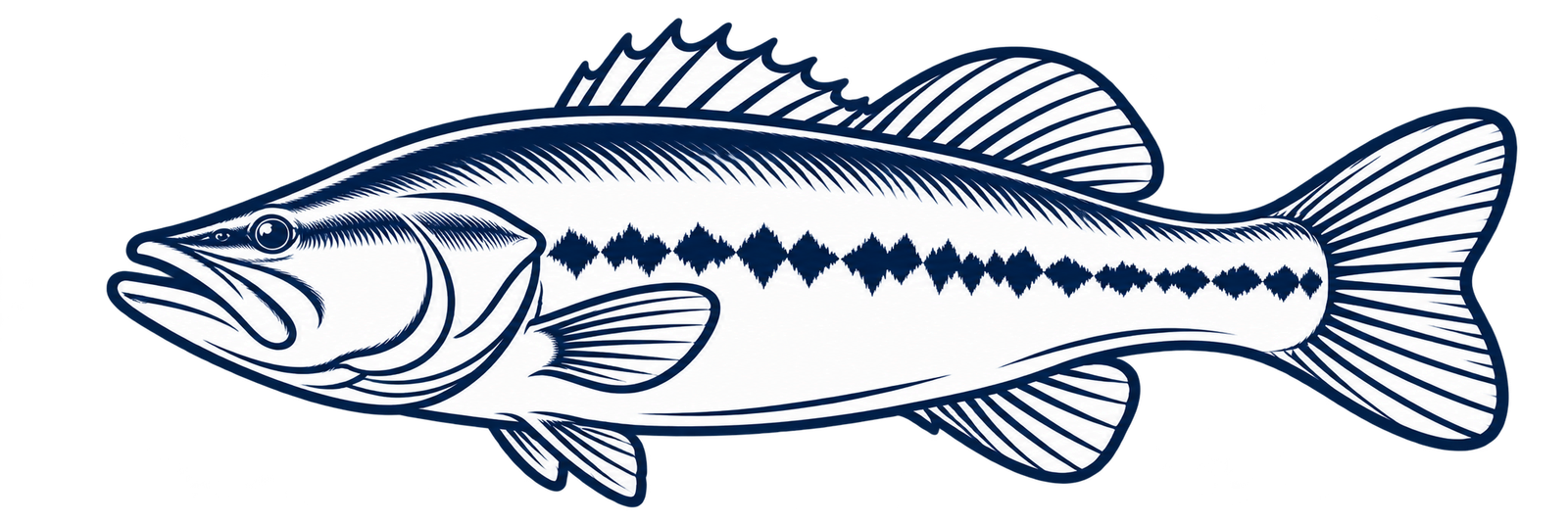
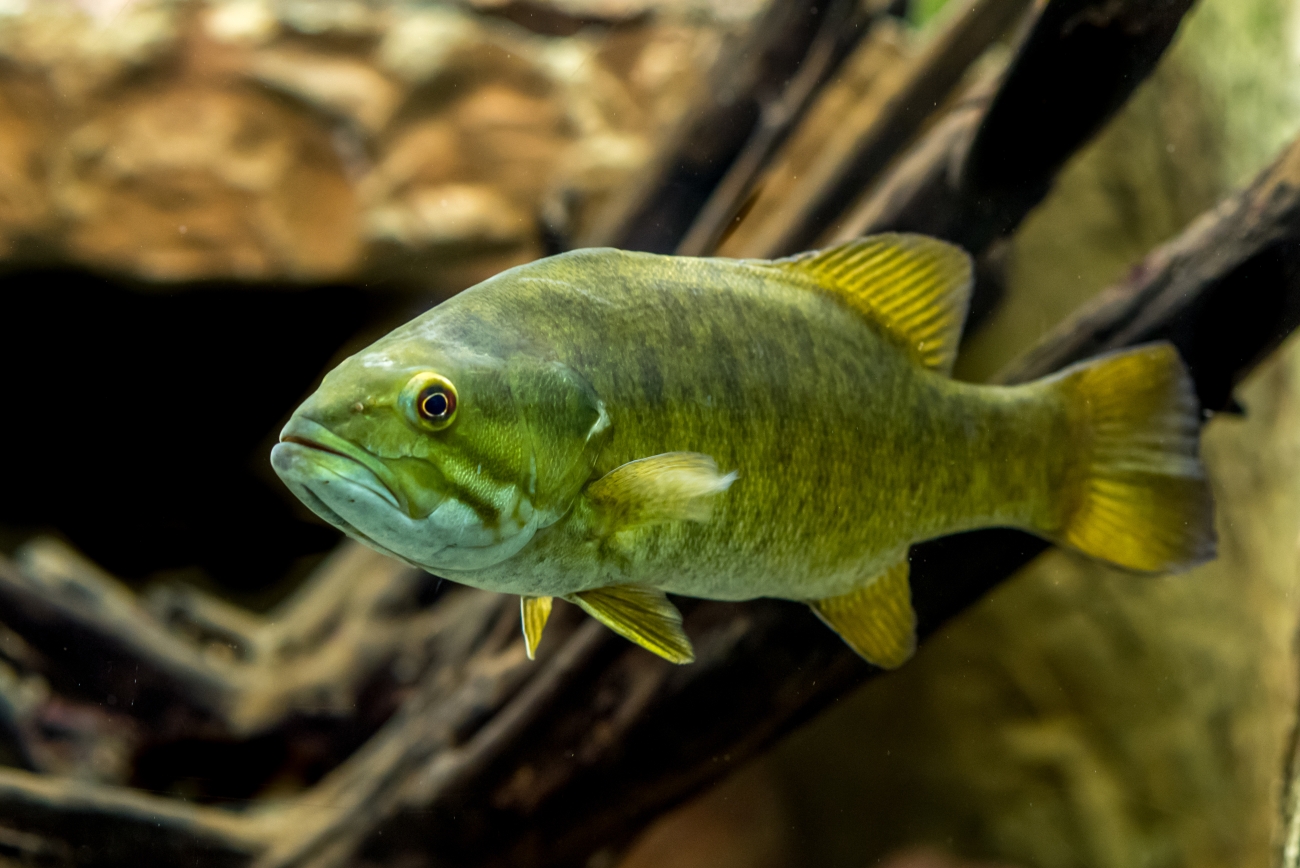
Smallmouth bass are on the rocky points, the shoals and the drop-offs in 10 to 25 feet, schooled up and feeding on smelt and crayfish. The Inland Sea, the Missisquoi Bay edges and the main-lake points from Burlington to Ticonderoga all hold fish. Largemouth sit on the weed edges and docks in the bays, and pike use the same weed edges in the mornings.
Lake trout are on the deep points and humps in 60 to 100 feet in the main lake, and landlocked salmon start showing near the river mouths as the water cools. Bowfin and gar cruise the shallow weeds for anglers who want something different.
Where to Find Them
Look for smallmouth on the rock piles and points of the Inland Sea near North Hero and Grand Isle, on the shoals off Burlington, and on the main-lake points from Shelburne down to Crown Point. Largemouth and pike live in Missisquoi Bay, at the Lamoille River mouth and in the back bays on the New York side. For lake trout, mark the points near Burlington, Willsboro Bay and the Split Rock area.
Tides & Conditions
Surface temperatures in the upper 60s to low 70s and falling push the smallmouth to group up on deeper structure. Calm mornings are best for the drop-shot and jerkbait bite. In the afternoon the wind stacks fish on the wind-blown points, since it pushes baitfish against the windward side of structure. Fall turnover is still a few weeks away. Watch the wind forecast closely; the main lake gets rough fast.
Tackle & Tactics
- Smallmouth: a drop-shot with a small plastic, a tube or a Ned rig on the rock piles, and a jerkbait on calm mornings.
- Largemouth: a jig or a frog on the weed edges.
- Pike: a big spinnerbait, spoon or swimbait on the weed edges, always with a wire leader.
- Lake trout: a spoon or flasher-fly on a downrigger in deep water, or a heavy jig worked vertically on the marks.
- Salmon: a trolled spoon near the river mouths.
Local Intel This Week
Public ramps spread the lake well: the Burlington Perkins Pier ramp and the Malletts Bay ramp in Colchester put you on the Burlington shoals and main-lake points, the Grand Isle State Park ramp is the launch for the Inland Sea rock piles, and the Plattsburgh Boat Basin ramp and Port Henry ramp cover the New York side. Expect smallmouth on the rocky points and pike and largemouth on the weed edges. Vermont and New York share a reciprocal license agreement for the main lake but not all tributaries, and Vermont Fish and Wildlife and NYS DEC both set seasons for bass, lake trout and salmon. Check current state and federal regulations and seasons before keeping fish.
This Week’s Tip
Champlain smallmouth in September school up on the deep side of the rock piles. When you catch one, mark the spot and work the same depth around the structure. Where there is one fish in the fall, there are usually a dozen.
Planning a trip to Lake Champlain?
This report tells you what happened. ReelAI tells you what to do about it — a briefing for your date, your target species and how you're fishing, built from our reports plus live NOAA and USGS data.
Powered by ReelAI — fishing.digital's intelligence layer. Answers are generated from fishing.digital reports and public NOAA, NWS and USGS data, and may be incomplete or out of date. Regulations and marine safety information are summaries only; always confirm with the responsible authority before you fish.