Updated: Thursday, July 23, 2026 · Next update: Thursday, July 30, 2026
This NC Outer Banks fishing report for late July is all about high summer on the Banks. Spanish mackerel crash glass minnows along the beaches from Corolla to Hatteras, the offshore fleet out of Oregon Inlet and Hatteras raises billfish, and the sound-side program of trout, drum and sheepshead keeps the light-tackle crowd busy between storms. The main condition to plan around is the building tide toward the full moon, which puts real current through Oregon Inlet and sets up the bait that every fish here keys on.
What’s Hitting
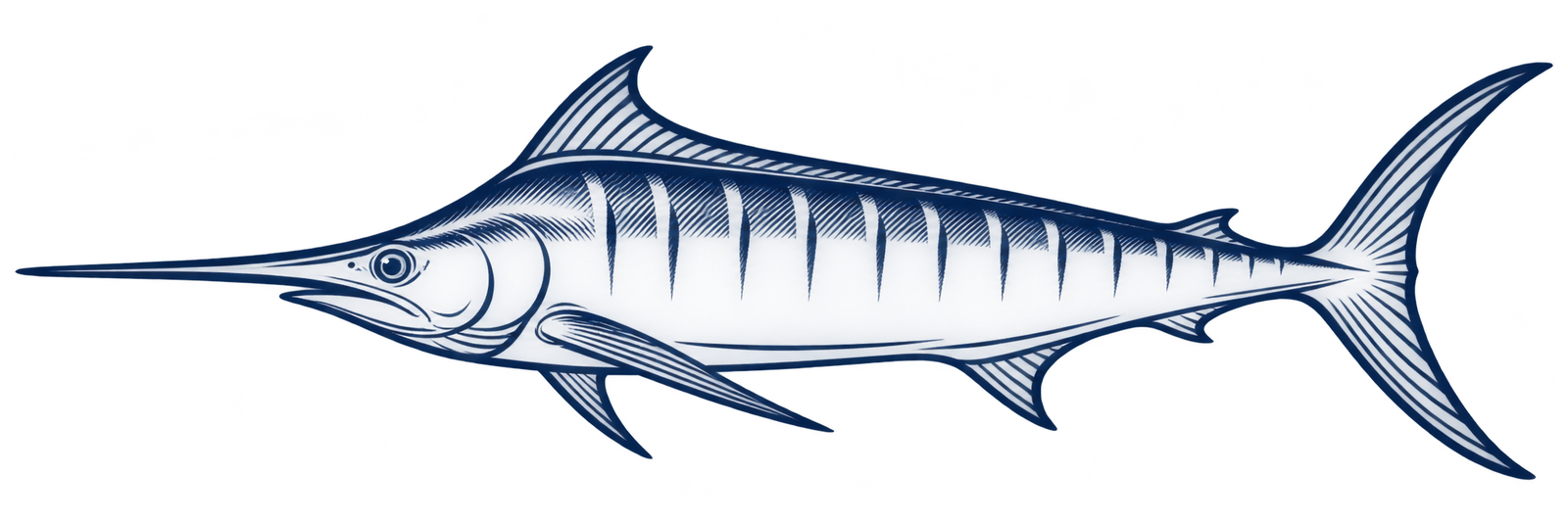
Spanish mackerel lead the beach fishery, thick in the suds early and late wherever the glass minnows ball up, with the occasional smoker king mixed in off the piers. Offshore, expect white marlin, sailfish and a few blues, plus a decent mahi pick and scattered yellowfin.
Sheepshead are steady on the Bonner Bridge pilings, speckled trout work the sound-side sloughs at dawn, and pompano in the surf sweeten the bottom rigs. Behind Hatteras and Ocracoke, the flats hold puppy drum and flounder on the falling tide.
Where to Find Them
Spanish: the near-beach rips and the pier ends at first light. Billfish: the break northeast of the point out of Oregon Inlet, and the Rockpile-to-280 stretch out of Hatteras. Fish concentrate on the bait, so look for beach fish in the rips and offshore fish on the temperature edge.
Trout: the sound-side grass edges and sloughs around Nags Head and Rodanthe. Don’t overlook the sound while the ocean gets the headlines; kayak anglers working the grass edges at Canadian Hole can out-fish the boats on some mornings.
Tides & Conditions
Building tides toward the full moon strengthen the inlet current, and Oregon Inlet’s shoals demand respect on a hard outgoing against a southwest breeze, when wind against tide stacks up steep, short waves over the bars. Expect clean, warm beach water and a dependable afternoon sea breeze. When the beach wind turns side-on, slide to the Old Coast Guard Station structure or the Frisco sloughs.
Tackle & Tactics
- Spanish from the boat: Clarkspoons behind planers. The planer pulls a small spoon down a few feet and keeps it running at speed.
- Spanish from the sand: casting jigs like a Stingsilver, retrieved fast.
- Billfish: naked and skirted ballyhoo, with a dredge doing the real work by imitating a bait school and raising fish into the spread.
- Sheepshead: fiddler crabs tight to the pilings on a heavy jighead or dropper rig.
Local Intel This Week
The Oregon Inlet Fishing Center ramp is the offshore jump-off, and the Washington Baum Bridge ramp serves the sound. Shore anglers should work the Avon and Rodanthe piers for Spanish, pompano and the odd king run, fishing the ends at first light. Paddlers can launch at Canadian Hole for the sound-side grass, and the Bonner Bridge pilings are the sheepshead stop. North Carolina Marine Fisheries rules apply in state waters. Check current state and federal regulations and seasons before keeping fish.
This Week’s Tip
Casting for Spanish from the beach, watch for the birds working just beyond the breakers at first light, and lead the school’s direction of travel. Three fast cranks and a pause outproduce a straight retrieve when the fish are on tiny bait.
Planning a trip to NC Outer Banks?
This report tells you what happened. ReelAI tells you what to do about it — a briefing for your date, your target species and how you're fishing, built from our reports plus live NOAA and USGS data.
Powered by ReelAI — fishing.digital's intelligence layer. Answers are generated from fishing.digital reports and public NOAA, NWS and USGS data, and may be incomplete or out of date. Regulations and marine safety information are summaries only; always confirm with the responsible authority before you fish.