
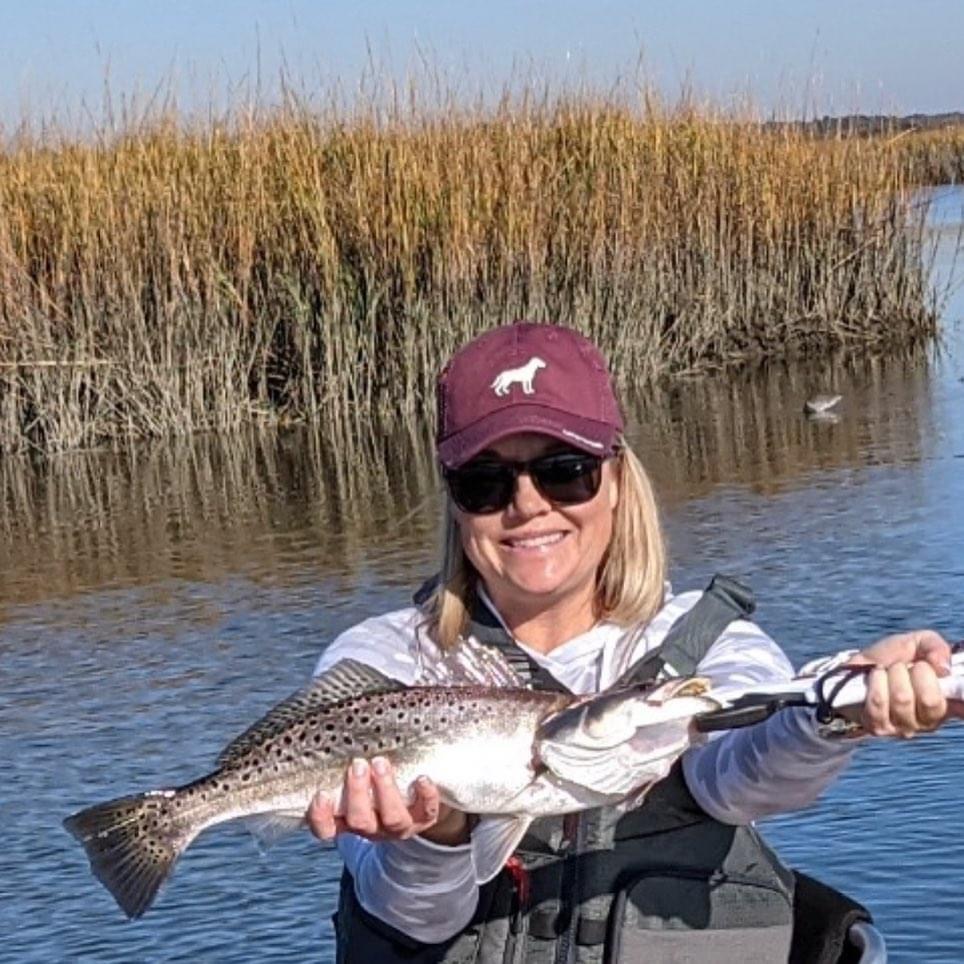
The lagoon is running hot — surface temps in the low 90s by afternoon — which makes this a strictly first-light fishery. Get on the water in the dark, fish hard until nine, and go home. The fish that are catchable are catchable early, and after that the whole system shuts off.
What’s Hitting
Speckled trout are the most consistent bite, working the grass edges and potholes at daybreak. Redfish are on the deeper edges and around the mangrove shorelines on the higher tide. Snook are holding on the causeway structure and will eat at night. Black drum and sheepshead are around the bridge pilings. Ladyfish and jacks are thick and make good light-tackle sport when the gamefish shut down.
Where to Find Them
Focus on the 3- to 5-foot grass edges rather than the shallow flats — the deeper water holds cooler temps and more oxygen. The Sebastian and Wabasso areas have been the most productive stretch, along with the spoil islands near Grant. Redfish are working the mangrove edges on the west shore on the flood. Snook and drum are on the Wabasso and Melbourne causeway pilings. Sebastian Inlet is holding snook, tarpon, and jacks on the moving tide.
Tides & Conditions
Lagoon tidal movement is minimal away from the inlet — wind drives water level here more than the moon. A light southeast breeze has been pushing water onto the west shore. Water temps are 88 at dawn and low 90s by afternoon. Afternoon storms are daily. Oxygen levels drop hard in the shallows in the heat, so released fish need extra care.
Tackle & Tactics
Trout want a topwater walking bait in the first 45 minutes of light, then a soft plastic on a 1/8-ounce jighead or a shrimp imitation under a popping cork. Redfish take a gold spoon or a weedless soft plastic worked along the mangroves. Snook on the causeways eat a flair hawk jig or a live croaker on 40-pound leader after dark. Keep leaders light — 20- to 25-pound fluoro — in the clear lagoon water.
Local Intel This Week
The Wabasso Causeway ramp, the Sebastian Inlet Marina ramp, and the Grant boat ramp are the reliable public launches. Fish are concentrating on the deeper grass edges and near the inlet where the water is cooler and better oxygenated. Snook season is closed on the Atlantic coast and redfish rules vary by zone — check current FWC regulations and seasons before keeping any fish.
Spots & Access This Week
The Wabasso Causeway ramp gives the quickest access to the productive central lagoon flats and the causeway structure. Kelly Park in Merritt Island puts you on the Banana River, and the Melbourne Causeway ramp serves the middle stretch. Haulover Canal is the gateway to the Mosquito Lagoon end. Shore anglers do well from the causeway catwalks after dark, where snook, black drum, and snapper stack around the lighted pilings. Fish are holding in potholes, along spoil island drop-offs, and under dock and bridge shade rather than out on the open shallow flats, so target hard edges and depth changes rather than covering water.
Beating the Heat Window
The lagoon in August rewards discipline more than skill. The productive window runs from roughly forty minutes before sunrise to about two hours after, and again in the last hour of light. Be rigged and on your first spot in the dark. Start with a walking topwater over a grass edge, switch to a soft plastic worked slowly through potholes once the sun is up, and then go find shade. Dock lines, mangrove overhangs, and bridge shadows hold fish through the middle of the day, and a bait pitched into the sun and swum into the shade will draw strikes right at the transition. Keep fights short and release fish quickly — dissolved oxygen is low in this heat and a long battle is often fatal.
This Week’s Tip
In water this warm, fight fish fast and release them faster. Use heavier tackle than the fish requires, skip the photo if the fish is struggling, and hold it upright in moving water until it kicks off on its own — a summer trout released tired is usually a dead trout.
More Indian River Lagoon Resources
Indian River Lagoon Fishing Guide · Indian River Lagoon Seasonal Calendar · All Indian River Lagoon reports →
Also read: Indian River Lagoon Fishing Report — Week of July 23, 2026: Dawn Trout, Redfish in the Shadows
Reports updated every Thursday on fishing.digital.
Planning a trip to Indian River Lagoon?
This report tells you what happened. ReelAI tells you what to do about it — a briefing for your date, your target species and how you're fishing, built from our reports plus live NOAA and USGS data.
Powered by ReelAI — fishing.digital's intelligence layer. Answers are generated from fishing.digital reports and public NOAA, NWS and USGS data, and may be incomplete or out of date. Regulations and marine safety information are summaries only; always confirm with the responsible authority before you fish.