
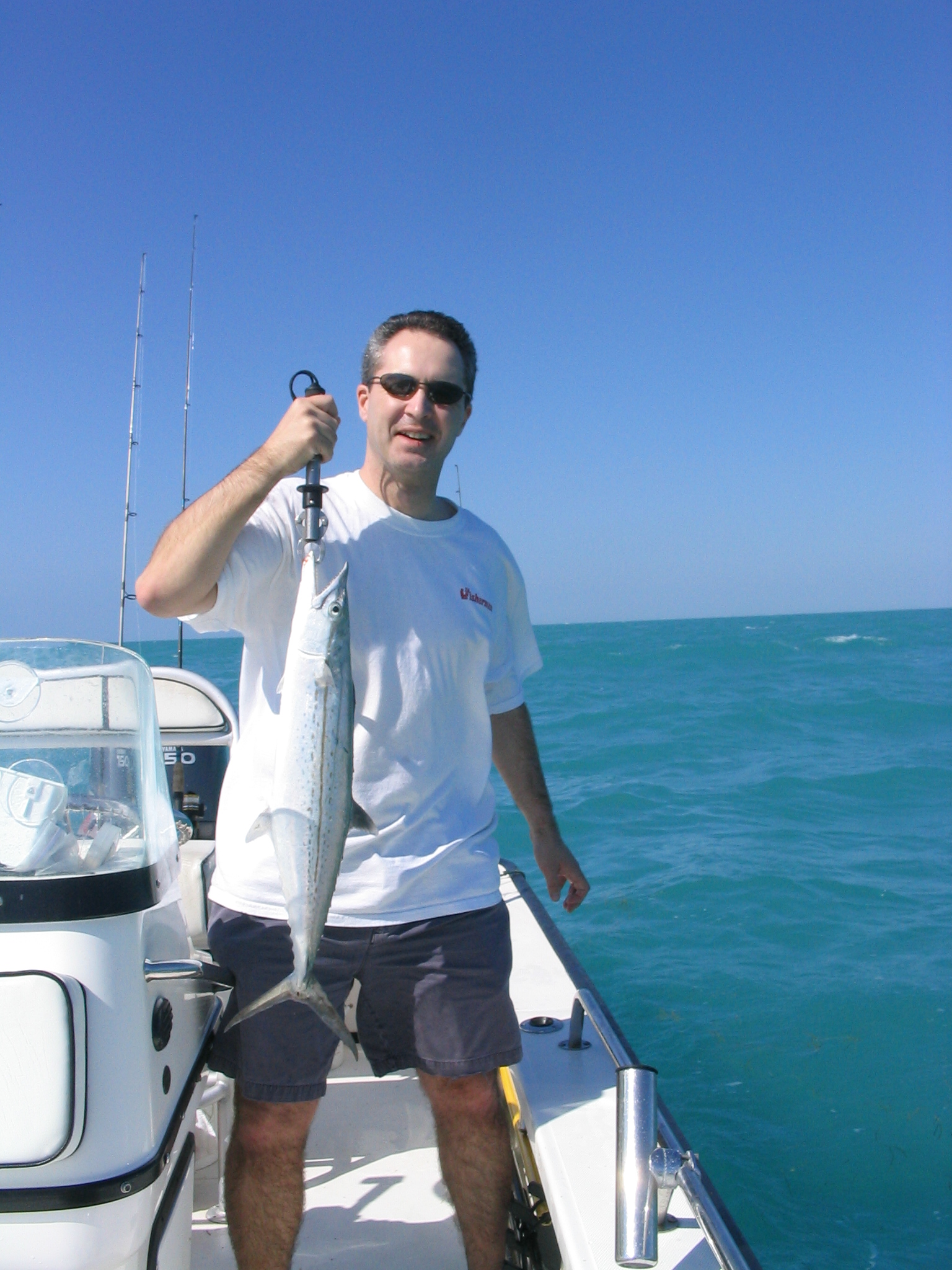
The Outer Banks is in the heart of its summer run. Water along the beach is in the upper 70s to low 80s, the Gulf Stream fleet has had a good stretch of weather out of Oregon Inlet and Hatteras, and the surf and pier fishing has been steady rather than spectacular. The big fall drum run is still weeks away, but there is plenty to work with right now.
What’s Hitting
Spanish mackerel and bluefish are working bait pods along the beach and around the inlets, and they are the most accessible fishery for surf and pier anglers. Pompano, sea mullet, and croaker are steady in the surf on bottom rigs. Nearshore, cobia are still being sight-cast around buoys and structure, and king mackerel are on the reefs and wrecks in 40 to 80 feet. Offshore, the Gulf Stream has been producing mahi, blackfin, wahoo, and a good billfish bite. Red drum are around in the sound and along the beach in modest numbers, with the bigger fish showing at night. Speckled trout and flounder are in the sound structure.
Where to Find Them
Work the sloughs and cuts along the Hatteras Island beaches for pompano and sea mullet — the water between the outer bar and the beach is where the fish feed. Oregon Inlet and Hatteras Inlet hold Spanish, blues, and the occasional cobia on the moving tide. Nearshore wrecks and the artificial reef sites have kings and cobia. The Gulf Stream break, roughly 30 to 40 miles from Oregon Inlet, is the offshore program. In the sound, the grass and structure around the bridges and the Rodanthe area hold trout and flounder.
Tides & Conditions
Surf temperatures are 78 to 82 and the water has been reasonably clean on the light-wind mornings. Southwest wind builds most afternoons and dirties the surf. Tides are moderate, with the best surf action on the incoming and the first of the outgoing. Seas offshore have been fishable most of the week. Watch for rip currents in the sloughs — the same structure that holds fish makes for dangerous wading.
Tackle & Tactics
Surf anglers should run a two-hook bottom rig with fresh shrimp or sand fleas for pompano and mullet, fished in the slough. For Spanish, a casting spoon or a Got-Cha plug retrieved fast will draw strikes from the beach and the piers. Cobia sight-casting means a bucktail or a live eel pitched ahead of a cruising fish. Kings want slow-trolled live baits on a stinger rig. Offshore, ballyhoo trolling spreads are the standard for mahi and billfish, with a pitch bait ready for anything that comes up in the spread.
Local Intel This Week
Oregon Inlet Fishing Center and the Hatteras Harbor ramps are the main boat access points. Shore anglers have excellent access at the Avon, Rodanthe, and Jennette’s piers, and beach driving with a permit opens up the Cape Point area. Fish are concentrating in sloughs, around the inlets, and on the Gulf Stream break rather than spread evenly. Red drum, flounder, and cobia all carry season and size restrictions in North Carolina that change year to year — check current NC Division of Marine Fisheries regulations and seasons before keeping any fish.
This Week’s Tip
Read the beach at low tide before you fish it. Walk the stretch you plan to work when the water is out and note where the bar breaks and where the slough runs deep. Those features hold their shape for days, and knowing exactly where the cut is means you can put a bait in the right water at high tide when the structure is invisible.
Planning a trip to NC Outer Banks?
This report tells you what happened. ReelAI tells you what to do about it — a briefing for your date, your target species and how you're fishing, built from our reports plus live NOAA and USGS data.
Powered by ReelAI — fishing.digital's intelligence layer. Answers are generated from fishing.digital reports and public NOAA, NWS and USGS data, and may be incomplete or out of date. Regulations and marine safety information are summaries only; always confirm with the responsible authority before you fish.