
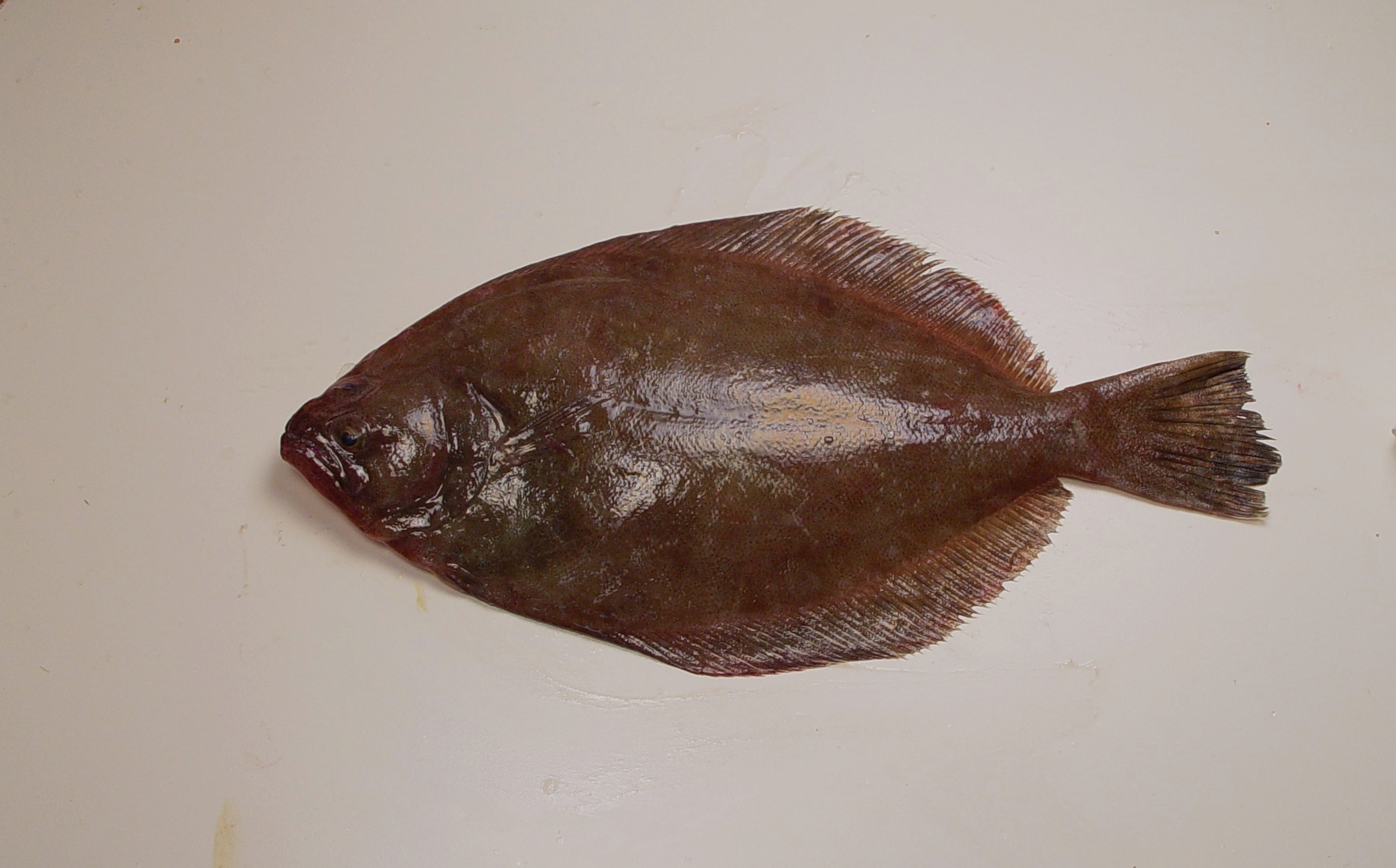
Mid-August in Ocean City is the deepest part of the season. The back bays are warm and the flounder have shifted toward the inlet and the deeper channels, the offshore fleet has been finding fish at the canyons on the flat days, and the surf has been steady for anglers who fish the first hour of light. A new moon at the end of the week will put strong current through the inlet.
What’s Hitting
Flounder remain the bread-and-butter fishery, holding in the East Channel, the Thorofare and around the inlet structure. Offshore, yellowfin tuna, mahi and white marlin are being caught at the Baltimore, Poor Man’s and Washington canyons on the calm days, with good numbers of gaffer mahi around the lobster pot lines on the way out. Sea bass and triggerfish are stacked on the wrecks and reef sites in 60 to 100 feet. In the surf, kingfish, small bluefish and the occasional flounder are coming from the troughs at first light.
Where to Find Them
The Route 50 bridge, the inlet jetty rocks and the East Channel hold flounder on the moving tide. The Thorofare and the deeper cuts behind Assateague are the back-bay play. Offshore, the canyon edge in 500 to 1,000 fathoms has been the tuna and billfish water, with the pot lines producing mahi inshore of it. Surf anglers should look for the cuts and troughs on Assateague at dawn.
Tides & Conditions
Bay water is running 78 to 82 degrees, ocean low to mid-70s inshore and warmer offshore. New-moon tides bring a hard exchange through the inlet — the flounder feed best on the last of the incoming and the first of the outgoing. Seas have been 2 to 3 feet with a southwest breeze building most afternoons, so offshore trips have been early departures. Water clarity in the bays is fair.
Tackle & Tactics
Flounder anglers are doing best drifting live minnows and squid strips on a bucktail-and-teaser rig with just enough weight to hold bottom — 2 to 4 ounces in the inlet current. Offshore, trolling ballyhoo and spreader bars covers the tuna, and a pitch rod with a rigged ballyhoo handles the billfish bite. Sea bass on the wrecks want a high-low rig with squid or clam. Surf anglers should stick with bloodworms or FishBites on a two-hook bottom rig.
Local Intel This Week
The West Ocean City public ramp is the main launch and is busy from dawn on weekends; the Route 50 boat ramp gives quick bay access. Shore anglers are catching flounder and stripers from the inlet jetty and the Route 50 bridge pilings. Fish are concentrating around the inlet and the deeper channels rather than the shallow back bay. Flounder, sea bass and tuna all carry size, bag and season restrictions — check current Maryland DNR and NOAA federal regulations before keeping fish.
This Week’s Tip
In the inlet, use enough weight to stay in contact but not so much that you anchor. The flounder bite happens when your bucktail is tapping along the bottom at roughly the speed of the drift. If you cannot feel bottom, add a half-ounce; if you are hanging up every drift, take one off.
Planning a trip to Ocean City MD?
This report tells you what happened. ReelAI tells you what to do about it — a briefing for your date, your target species and how you're fishing, built from our reports plus live NOAA and USGS data.
Powered by ReelAI — fishing.digital's intelligence layer. Answers are generated from fishing.digital reports and public NOAA, NWS and USGS data, and may be incomplete or out of date. Regulations and marine safety information are summaries only; always confirm with the responsible authority before you fish.