Updated: Thursday, October 1, 2026 · Next update: Thursday, October 8, 2026
This Pacific Northwest fishing report covers early October, the heart of salmon season. The rains start, the rivers rise and the coho move in. From the Columbia to the rivers of Puget Sound and the Oregon coast, October is a busy month for salmon and steelhead anglers. Coho are the lead species and are aggressive when fresh, summer steelhead are on the drift and the first chum arrive in Puget Sound rivers. Plan every trip around rain and river levels, which drive the fishing more than the tide.
What’s Hitting
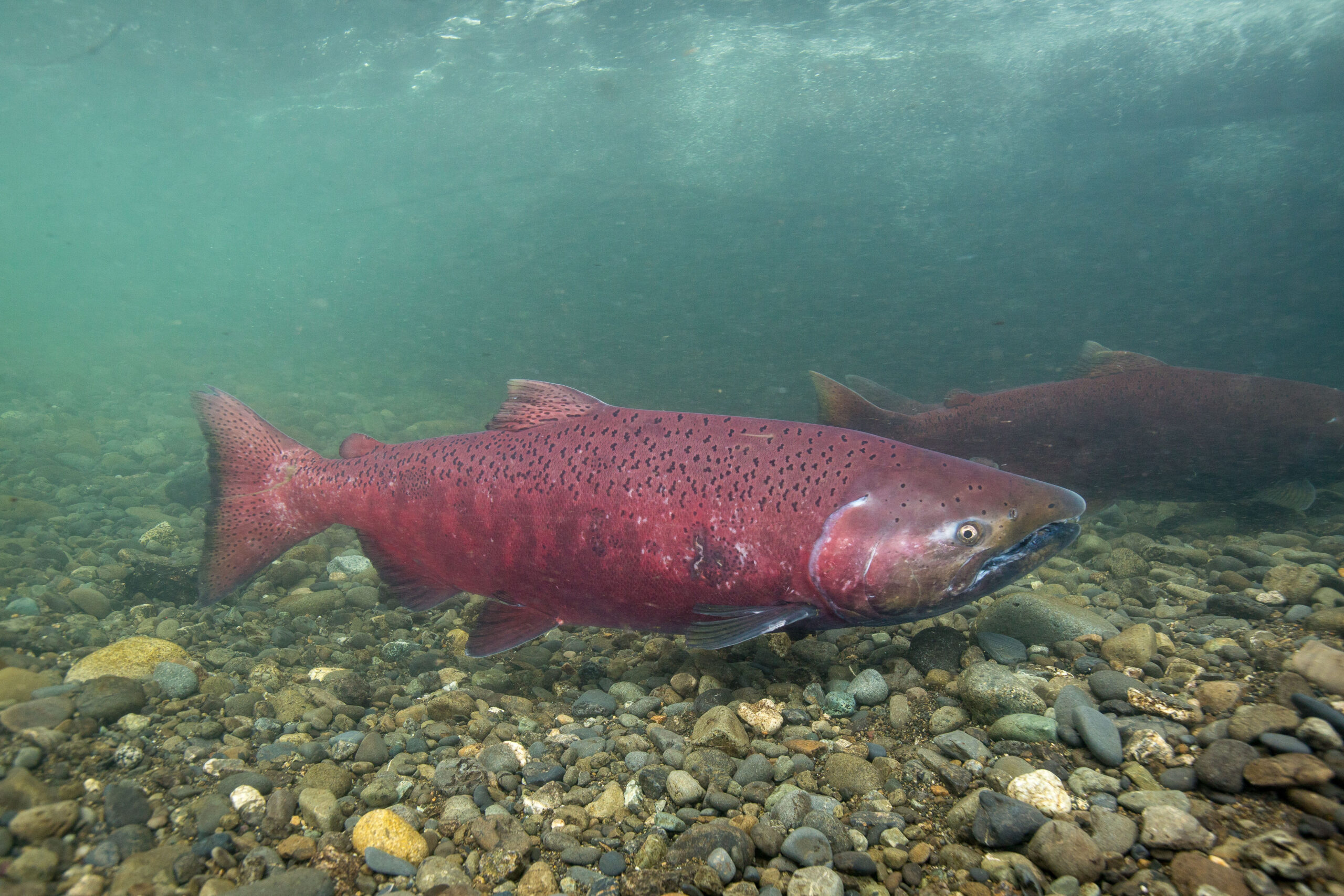
Coho salmon move into the rivers with the first fall rains, and they are aggressive when they are fresh. Summer steelhead are on the drift in many rivers, and the first fall chum salmon start to arrive in Puget Sound rivers. Chinook are still around in some rivers, though many runs are winding down.
Where to Find Them
For coho, fish the rivers of the Oregon coast, the Columbia River tributaries and the rivers of Puget Sound, and look for fish moving after a rain. On the Columbia system, coho push into tributaries such as the Cowlitz and the Lewis, and the lower Columbia sees fish staged near the tributary mouths. On the Oregon coast, rivers like the Siletz, the Alsea and the Tillamook Bay system draw coho and late chinook after the first good rain. In Puget Sound, many anglers fish the saltwater beaches for coho before the fish move into the rivers.
For steelhead, try the Columbia River tributaries and the rivers of the Olympic Peninsula. For chum, fish the rivers of Puget Sound and Hood Canal.
Tides & Conditions
River levels and rain drive the fishing more than the tide in the rivers. The fall rains bring the fish in, but too much rain can blow out the rivers, so check river levels before you go. The first day or two after a rise, as the water starts to drop and clear, is the window to aim for. In the saltwater, tides matter, and the last quarter moon on the weekend softens them.
Tackle & Tactics
Keep the river kit compact:
- Coho: a spinner, a spoon or a jig under a float.
- Steelhead: a bead, a jig under a float or a drift rig with yarn and eggs.
- Chum: a jig or a fly.
- Gear: medium spinning or casting tackle with 10- to 15-pound line handles most of it.
A float rig suspends the jig at a set depth so it drifts at the level of fish holding in the slot.
Local Intel This Week
Many rivers have public access at parks and boat launches, and the Columbia has numerous launches along both the Oregon and Washington sides; use them to reach the tributary mouths where coho stage. On Puget Sound, Shilshole Bay Marina and the Des Moines Marina Pier give boat and shore access to the saltwater coho beaches. On the coast, Hammond Marina near the Columbia mouth and Westport Marina serve the ocean and estuary fishing. Fish concentrate in the rivers after a rain. Salmon and steelhead rules change often with emergency rules from the Washington and Oregon Departments of Fish and Wildlife. Check current state and federal regulations and seasons before keeping fish.
This Week’s Tip
Downsize as fish color up. Coho are aggressive when they are fresh from the saltwater, but they become much more selective as they move up the river. Use bright, flashy lures for fresh fish, and switch to smaller, more subtle presentations as the fish color up and slow down.
Planning a trip to Pacific Northwest?
This report tells you what happened. ReelAI tells you what to do about it — a briefing for your date, your target species and how you're fishing, built from our reports plus live NOAA and USGS data.
Powered by ReelAI — fishing.digital's intelligence layer. Answers are generated from fishing.digital reports and public NOAA, NWS and USGS data, and may be incomplete or out of date. Regulations and marine safety information are summaries only; always confirm with the responsible authority before you fish.