
Updated: Thursday, November 5, 2026 · Next update: Thursday, November 12, 2026
Welcome to the Texas Gulf Coast fishing report for the week of November 5, a seasonal outlook rather than a tally of recent catches. Early November tends to bring the first real cold fronts, the beginning of the flounder run, and bay fish moving toward deeper channels. The new moon on Monday, November 9 and the end of daylight saving should shape how and when anglers hit the water.
What’s Hitting
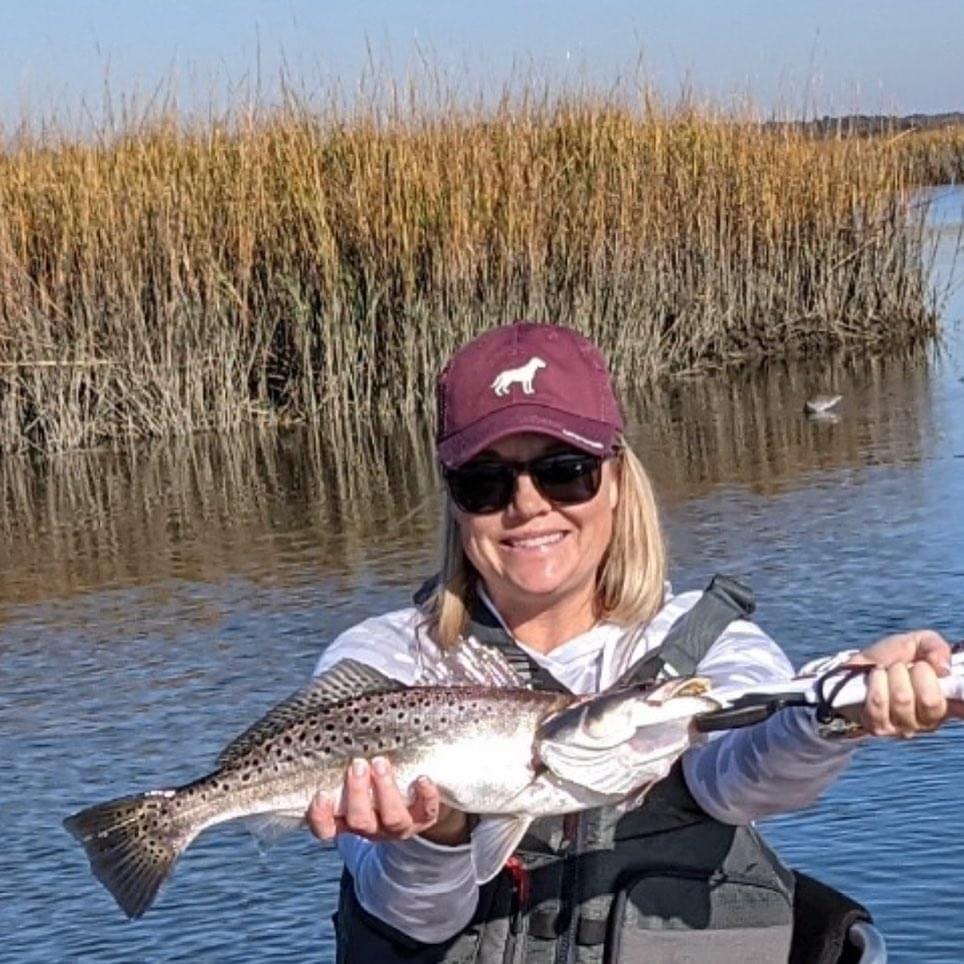
The November flounder run is one of the most anticipated events on the coast. Southern flounder typically move out of the bays toward the passes as cold fronts push water temperatures down, and they stack along jetties, channel edges and bridge pilings on the outgoing tide. Black drum and sheepshead are usually reliable around docks, jetties and the Galveston and Port Aransas structures. Redfish remain active, often along grass lines and shell reefs, and some bigger bull reds may move through the passes. Speckled trout tend to head for deeper holes and warmer backwater spots as temperatures drop. Wind direction and speed are the main determinants of success; a hard north wind can make bays muddy and fish scattered, while the day after a front often brings clearer water and eager fish.
Where to Find Them
Look to the passes and the channels that connect them. Galveston’s Bolivar Peninsula jetties, the Rollover Pass area, and the ship channel flats are traditional flounder and drum territory. Farther down, Matagorda’s Colorado River mouth and jetties, Port Aransas’s jetties, and the Corpus Christi Bay cut offer similar structure. Rockport and Aransas Bay provide marsh drains and shell for redfish and trout. Piers and causeways often hold sheepshead and drum. Fishing offshore is a matter of weather, because north winds can make the Gulf sloppy for several days, and small boats are best kept inside the bays until the wind lays down. Inshore, bay shorelines on the lee side of a front often stay fishable when the open water is not.
Tides & Conditions
Flounder anglers typically want moving water, and the outgoing tide near passes and bayou mouths can funnel bait and fish together. The new moon on Monday, November 9 should create larger tidal swings in the days around it, so strong currents in the jetties and cuts are likely. Texas tides depend heavily on wind, with strong north winds pushing water out of the bays and producing lower-than-predicted levels, which can strand shallow-draft boats. After the clock change, the sun rises about an hour earlier by the clock, so plan around dawn. Check NOAA tide predictions and local wind forecasts before launching.
Tackle & Tactics
For flounder, a medium spinning rod with ten-pound braid and a twenty-pound fluorocarbon leader works well with a soft plastic on a quarter-ounce jig head, tipped with a bit of shrimp, or with live mud minnows on a Carolina rig. Black drum and sheepshead respond to dead shrimp and crab fished on the bottom with a small circle hook. For redfish, a gold spoon or a paddle-tail in rootbeer or chartreuse is a time-tested option. Bring a landing net, since flounder are known for spitting the hook at the boat. Layering clothes is smart given the temperature swings in November.
Local Intel This Week
Public access is a strength. Galveston’s Texas City Dike provides a long public fishing pier extending into Galveston Bay, and the Bolivar Peninsula’s beach and jetty areas draw crowds during fall runs. In Port Aransas, the South Jetty offers a rocky platform for anglers, and the Port Aransas Nature Preserve at Charlie’s Pasture has shoreline access along the Corpus Christi Ship Channel. Rockport’s Fulton Beach area has piers and shoreline for bay fishing. Always watch for changing weather and wave action on jetties, where rocks are slick and a rogue wave can reach well up the boulders. A life jacket is sensible on any rock jetty, and a fishing buddy is better still. Weekend parking near the passes fills early. Check current state and federal regulations and seasons before keeping fish.
This Week’s Tip
Plan your trip for the morning after the next front, when winds ease and water begins to clear. Fish a jetty or channel edge on the outgoing tide with a jig-and-shrimp combination and keep a landing net within reach for the jetty edge.
Planning a trip to Texas Gulf Coast?
This report tells you what happened. ReelAI tells you what to do about it — a briefing for your date, your target species and how you're fishing, built from our reports plus live NOAA and USGS data.
Powered by ReelAI — fishing.digital's intelligence layer. Answers are generated from fishing.digital reports and public NOAA, NWS and USGS data, and may be incomplete or out of date. Regulations and marine safety information are summaries only; always confirm with the responsible authority before you fish.