Updated: Thursday, November 19, 2026 · Next update: Thursday, November 26, 2026
This Jacksonville fishing report is a seasonal outlook for the week of November 19, built from forecasts and fall habits rather than a verified catch count. Northeast Florida took the brunt of last weekend’s strong cold front, with mornings in the 30s and 40s and frost possible inland. Forecasters expect a steady rebound toward normal this week. That combination of cold water and warming afternoons favors creek trout, jetty reds and black drum, with tides building toward the November 24 full moon.
What’s Hitting
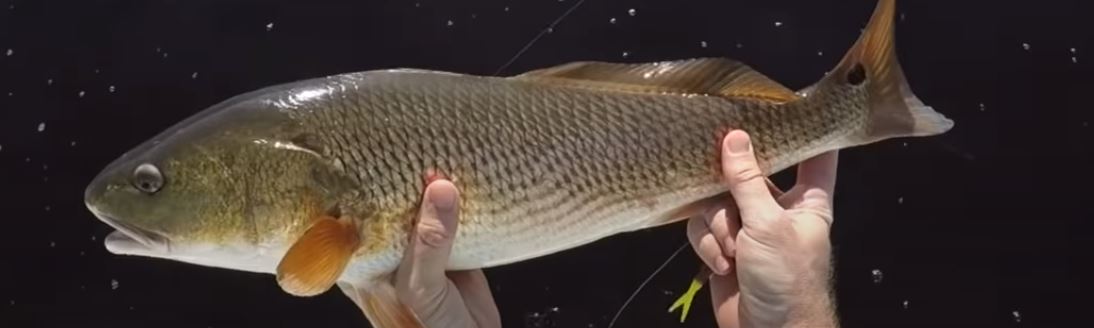
Speckled trout are the creek species to watch, as the cold snap typically pushes them into deeper holes along the marsh creeks off the St. Johns River and the Intracoastal. Bull redfish can still gather at the St. Johns River jetties during the strong tides of the coming full moon, while slot reds school on the shallow oyster flats on warm afternoons. Black drum are settling around bridge pilings and deeper docks, and their numbers usually climb into winter. Sheepshead keep building on the rocks. In the surf, whiting remain an option, though choppy days make the beach less reliable.
Where to Find Them
Focus on the St. Johns River jetties during moving water, especially the outer rocks for bulls and the inside corners for drum and sheepshead. The Mayport area and the deeper bends of the river off Blount Island hold black drum on structure. For trout, work the creek mouths and deeper turns along the Intracoastal between Sisters Creek and the Fort George River. The Nassau Sound bridges and the shallow bars around Little Talbot Island offer reds on calm days. On rough days, the backwater docks of the Intracoastal remain fishable.
Tides & Conditions
The first-quarter moon on November 17 gives way to a full moon on November 24, so tide ranges increase throughout the week and peak around the holiday weekend. Cold mornings early in the week should give way to milder afternoons. Strong outgoing tides at the jetties can carry dirty river water offshore, so the last half of the incoming tide often offers cleaner water. Low tides in the creeks will expose oyster bars and concentrate fish in channels. Watch the marine forecast before running to the jetty tips.
Tackle & Tactics
For trout in cold creeks, a soft-plastic shrimp or paddle tail on a light jighead, worked slowly near the bottom, or a live shrimp under a popping cork is reliable. For bull reds at the jetties, use a fish-finder rig with a heavy sinker, a circle hook and cut mullet or blue crab. Black drum prefer fresh shrimp or crab chunks on a dropper rig near pilings. Sheepshead want fiddler crabs or barnacles on a short fluorocarbon leader. Use enough weight to hold bottom in the stronger current.
Local Intel This Week
Huguenot Memorial Park provides access to the north side of the St. Johns River jetties and the river mouth. Kathryn Abbey Hanna Park offers beach access and a short walk to the south jetty area. The Mayport boat ramp and the Sisters Creek Marina launch put boaters close to the jetties and the creeks. The Little Talbot Island State Park shoreline gives walk-in access near Nassau Sound. Holiday traffic will increase at ramps next week. Check current state and federal regulations and seasons before keeping fish. Red drum, trout and sheepshead have regional rules in Northeast Florida.
This Week’s Tip
When the morning is cold, start late. Creek mud and dark oyster shell warm faster than open water under afternoon sun, so fish the last few hours of incoming tide in the afternoon and work baits slowly through the deepest bend of each creek.
Planning a trip to Jacksonville?
This report tells you what happened. ReelAI tells you what to do about it — a briefing for your date, your target species and how you're fishing, built from our reports plus live NOAA and USGS data.
Powered by ReelAI — fishing.digital's intelligence layer. Answers are generated from fishing.digital reports and public NOAA, NWS and USGS data, and may be incomplete or out of date. Regulations and marine safety information are summaries only; always confirm with the responsible authority before you fish.