
Updated: Thursday, November 5, 2026 · Next update: Thursday, November 12, 2026
This Charleston fishing report is a seasonal outlook for the week of November 5, reflecting what late autumn often brings to the Lowcountry. Cooling marsh water pushes fish into creeks and deeper holes, and the November 9 new moon brings big tides across the spartina flats. Earlier sunsets after daylight saving ended squeeze the evening window. Wind direction and rain, which stain the creeks, will shape where fish stack up.
What’s Hitting
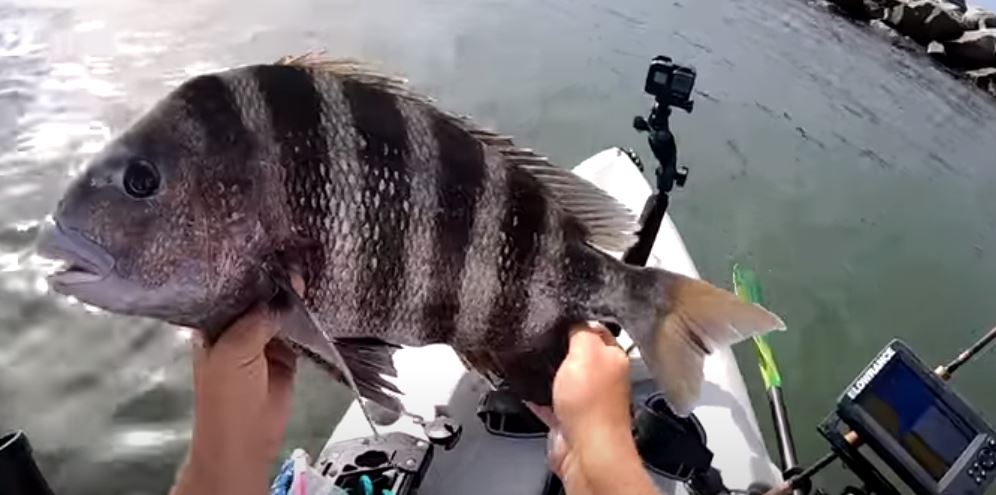
Redfish should be the staple, with larger bull reds typically hanging around the harbor jetties and nearshore waters, while smaller slot-sized fish work flooded spartina and oyster flats on high tides. Black drum commonly gather around deeper holes, docks and bridge pilings and respond to crab or shrimp. Whiting and a few late bluefish can show up in the surf at Folly and Isle of Palms. Speckled trout tend to move toward deeper creek bends as the cold arrives, and flounder often drift offshore in a late-season exit. Strong northeast wind can muddy the marsh, so seek protected creeks. Early mornings after a cold night can feel quiet, but fish often wake up as the sun warms the shallows.
Where to Find Them
The Charleston Harbor jetties are a classic place for large redfish and black drum, while creeks around Folly Beach, Bohicket Creek and the Stono River offer sheltered marsh. Cooper River and Wando River bends hold deep-water fish that stay active in cooler weather. At the beaches, Folly Beach Pier and the surf near the Morris Island lighthouse give shore anglers access. Kayak anglers might work the marsh near Caw Caw or Shem Creek’s shoreline, taking care with tidal currents and oyster bars. The Ashley River and Charleston Harbor’s Fort Sumter area also offer deep structure.
Tides & Conditions
Lowcountry tides are large, and the new moon on November 9 should produce especially high and low water. Redfish typically push into flooded grass on the higher part of the tide and drain out into creek mouths as it falls. Fishing the last two hours of the falling tide near creek drains is a common approach, as bait funnels out. Because exposed oyster bars can strand boats, know your tide table before running skinny water. After the clocks changed, evening light fades earlier, so be ready on the water sooner.
Tackle & Tactics
For redfish, a seven foot medium spinning rod with ten to fifteen pound braid and a fluorocarbon leader pairs well with cut mullet, live shrimp or soft-plastic paddletails. Black drum like crab pieces and shrimp fished on the bottom with a circle hook. Use a popping cork with live shrimp for trout, adjusting depth to creek holes. For bull reds near the jetties, step up to a heavier rod and a fish-finder rig with cut mullet or menhaden. Wear boots or shoes with grip, and bring a net for fish near docks.
Local Intel This Week
Public access includes Folly Beach County Park and the Folly Beach Pier, which is a convenient spot for surf and pier anglers. Boaters often launch from Shem Creek Park in Mount Pleasant or the Wappoo Cut area. Other well-known options include the James Island County Park shoreline and the Isle of Palms County Park beach. Check current state and federal regulations and seasons before keeping fish. Some species, including red drum, have slot rules that vary, so confirm the current details first. Pier fees and parking rules apply at some sites. Pier fees and parking rules apply at some sites, and weekends can be crowded. Oyster bars are sharp, so wear sturdy footwear if wading the edges of the marsh.
This Week’s Tip
Check the tide chart and pick a creek mouth where the falling tide drains marsh. Arrive an hour before low water, position your boat or stand on the bank uptide, and cast a paddletail along the edge of the current.
Planning a trip to Charleston / Lowcountry SC?
This report tells you what happened. ReelAI tells you what to do about it — a briefing for your date, your target species and how you're fishing, built from our reports plus live NOAA and USGS data.
Powered by ReelAI — fishing.digital's intelligence layer. Answers are generated from fishing.digital reports and public NOAA, NWS and USGS data, and may be incomplete or out of date. Regulations and marine safety information are summaries only; always confirm with the responsible authority before you fish.