Updated: Thursday, September 3, 2026 · Next update: Thursday, September 10, 2026
This Chesapeake Bay fishing report covers early September, a transition period worth being on the water for. Last-call cobia are the lead target on the lower bay, and calm, flat mornings for sight-casting are the condition to plan around. Spanish mackerel blitz from the Bay Bridge-Tunnel up to the Potomac, and speckled trout start to show in the Eastern Shore creeks and the western rivers. I fished this bay hard during my Mid-Atlantic editing years, and early September is always the week to squeeze in one more cobia trip.
What’s Hitting
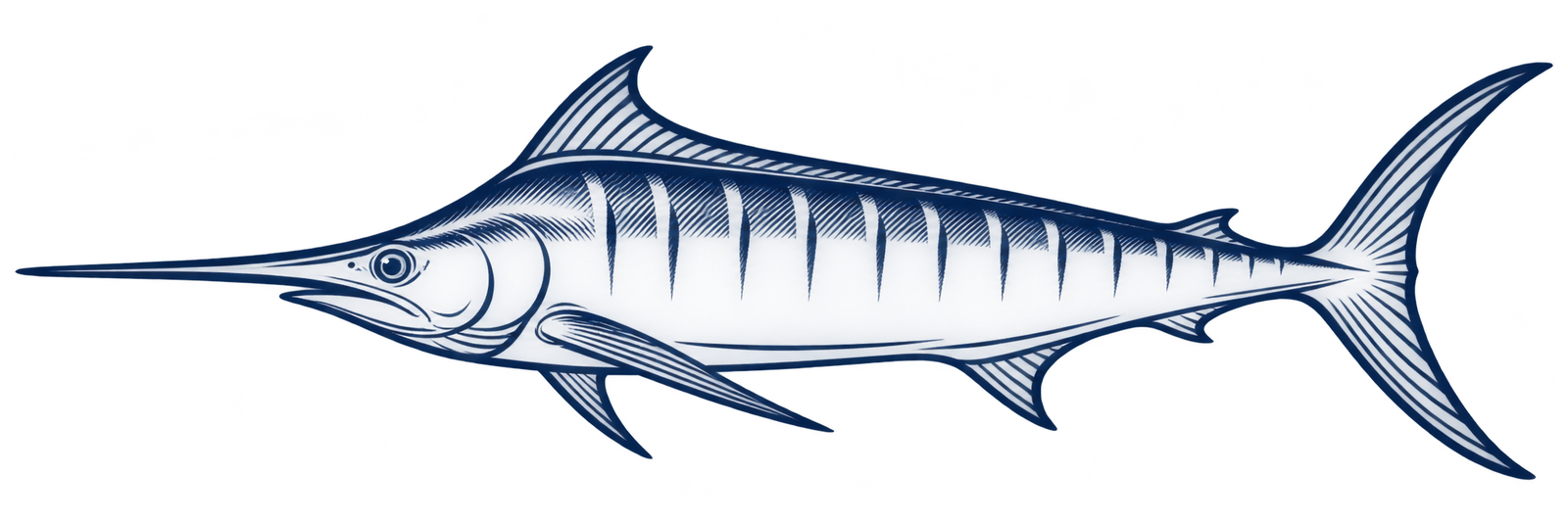
Cobia remain the headline on the lower bay buoys, the Bay Bridge-Tunnel pilings and the Latimer Shoal area, and sight-casters find fish on the surface on flat mornings. Spanish mackerel are everywhere the bait is: the mouth of the York, the Cell, the Target Ships, and the western shore from Cape Charles up to the Rappahannock.
Speckled trout move onto the grass beds and creek mouths on the Eastern Shore and in the Piankatank and Mobjack rivers. Red drum work the shoals at the bay mouth, spot and croaker are thick in the rivers, and rockfish hang on the Bay Bridge pilings and the deeper channel edges up the bay.
Where to Find Them
Focus cobia sight-casting around the Bay Bridge-Tunnel, Latimer Shoal and the buoys off Cape Charles. For Spanish, run the Cell, the Cabbage Patch and the mouth of the Rappahannock, and look for birds working over bait.
Look for speckled trout in Mobjack Bay, the Piankatank and the Eastern Shore creeks around Onancock and Cape Charles. Fish the Bay Bridge pilings early for rockfish, then slide to the channel edges off Poplar Island.
Tides & Conditions
Expect bay temperatures in the low 80s, with fish feeding early and late. The moving tides at the bay mouth and around the bridge-tunnel are prime for cobia and Spanish, because current sweeps bait past the structure where those fish wait.
Sight-casting depends on calm, flat mornings, so pick the light-wind days. Watch the tropical outlook: a distant system can push swell into the lower bay.
Tackle & Tactics
- Cobia: a live eel or a bucktail with a big curly tail cast to sighted fish, on 50-pound braid and 60-pound leader.
- Spanish mackerel: a small spoon trolled fast, or a Gotcha plug cast into the breaking fish.
- Speckled trout: a soft plastic on a jig head, or a popping cork with a shrimp.
- Rockfish: a bucktail or a live spot worked on the bridge pilings.
- Spot and croaker: keep the tackle light if you want to fill the cooler.
Local Intel This Week
Boaters working the bay mouth can launch at the Gloucester Point ramp on the York or the Kiptopeke State Park ramp on the Eastern Shore, both close to the cobia and Spanish water. The Deltaville Fishing Center area ramps put you near the Rappahannock and the Piankatank trout, and the Sandy Point State Park ramp near the Bay Bridge is the upper-bay launch for rockfish on the pilings. Without a boat, try the Matapeake Fishing Pier or the shoreline at Point Lookout State Park.
Plan the bay mouth for cobia and Spanish and the rivers for trout and rockfish. The Virginia cobia season closes in September. Check current state and federal regulations and seasons before keeping fish.
This Week’s Tip
Cobia on the surface in September often follow rays. Scan for the rays first, since the brown shapes are easier to spot than the fish, then look for the darker shadow riding alongside.
Planning a trip to Chesapeake Bay?
This report tells you what happened. ReelAI tells you what to do about it — a briefing for your date, your target species and how you're fishing, built from our reports plus live NOAA and USGS data.
Powered by ReelAI — fishing.digital's intelligence layer. Answers are generated from fishing.digital reports and public NOAA, NWS and USGS data, and may be incomplete or out of date. Regulations and marine safety information are summaries only; always confirm with the responsible authority before you fish.