
Anglers along the Gulf and Atlantic coasts learn quickly that a cold front can change fishing overnight. One day the flats hold active fish; after a strong front the same water can seem empty. The fish have usually changed where they sit and how they feed. Understanding those shifts—and adjusting—is the key to winter inshore fishing.
What a Cold Front Does
A front brings changing barometric pressure, a wind shift that is often north or northwest, clear skies, and falling air and water temperatures. Shallow water cools fastest, so fish that were on the flats commonly move toward deeper or more stable water. Strong winds can muddy exposed shorelines and alter normal tide levels. On many coasts, a persistent north wind produces unusually low water.
The Three Stages
Before the Front
Falling pressure and warm, humid air can produce a strong feeding window. Fish may feed aggressively ahead of the weather, making this a productive time when wind, lightning, and boating conditions remain safe.
During the Front
Strong wind and rapid temperature changes can make fishing difficult and unsafe. Wind-blown, muddy water may suppress feeding, and exposed water is rarely worth the risk during the worst conditions.
After the Front
The first day or two of bright, cold, high-pressure weather can be slow. Fishing improves as conditions stabilize, particularly during the afternoon after sunlight has warmed protected water.
Where Fish Go
Look for water that stays warmer or changes temperature more slowly. Deep holes, channels, creek bends, and turning basins hold heat longer than broad shallow flats. Dark mud absorbs sunlight faster than pale sand, so a dark-bottom flat beside deep water can become productive on a sunny afternoon.
Canals, protected backwaters, south-facing banks, springs, and other stable-temperature areas may also concentrate fish. Work the transition between deep refuge and nearby feeding water instead of covering an entire flat.
Species-by-Species Adjustments
Redfish
Redfish often gather in creek holes, channel edges, and deeper depressions following a front. They may slide onto shallow dark-bottom ponds to warm in the sun. Present cut bait, a soft plastic on a light jighead, or a spoon slowly and close to the bottom. See our complete redfish guide.
Speckled Trout
Trout commonly move into deeper channels and holes with softer bottoms. A slow-sinking plastic or suspending twitchbait worked with long pauses can draw fish that ignore a fast retrieve.
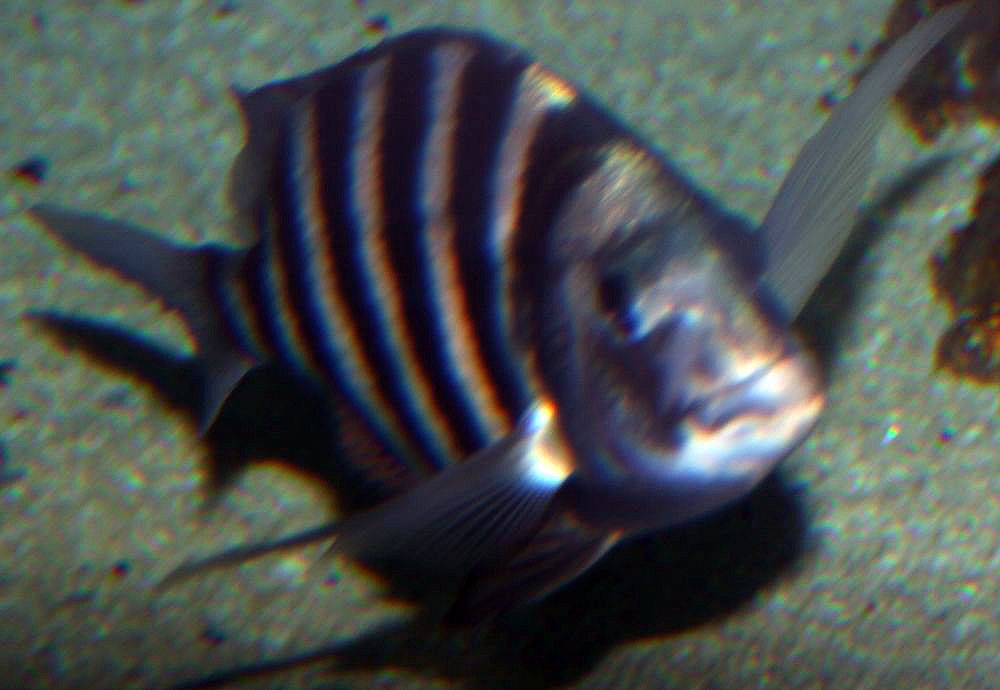
Sheepshead
Sheepshead are a dependable cold-weather target around bridges, docks, jetties, pilings, and oyster structure. Present shrimp, fiddler crabs, or another appropriate natural bait close to the structure with enough weight to maintain contact.
Snook
Snook are especially cold-sensitive. During sharp temperature drops they seek rivers, canals, creeks, and protected warm-water refuges. Handle cold-stressed fish carefully and check current state regulations and seasonal closures before keeping any fish. See our snook fishing guide.
Presentation: Slow Down
Fish are cold-blooded, and their activity generally falls as water cools. Use smaller offerings, slower retrieves, and longer pauses. Let a jig reach the bottom, move it only a short distance, and pause again. Live or cut bait can be productive when reaction presentations fail.
Clear post-front water may justify lighter leader, but match the leader to structure, species, and fish welfare. The goal is not simply to use the lightest possible tackle; it is to present naturally while landing fish efficiently.
Timing the Recovery
The warmest part of the day—often late morning through mid-afternoon—can outperform dawn after a front. Sunlight and a rising tide may move fish from deep refuge toward adjacent feeding edges. Favor stable forecasts and protected shorelines rather than forcing a trip into dangerous wind.
Cold air, cold water, and wind are a serious combination in kayaks and small boats. Wear a properly fitted life jacket, dress in layers, carry communication and signaling equipment, and tell someone your route and return time.
Quick Cold-Front Checklist
- Start with deeper water or dark-bottom flats next to a depth change.
- Slow the presentation and extend pauses.
- Fish the warmer afternoon period when practical.
- Use protected shorelines and stable-weather windows.
- Target sheepshead and redfish when cold-sensitive species become inactive.
Cold-Water Wading Gear
Fishing through cold fronts or winter surf? Compare breathable and neoprene systems, fit, warmth, and safety in our fishing waders for Florida winter and surf guide.
For local timing, consult the newest reports and canonical guides for Stuart, Jacksonville, and Tampa Bay.
Planning a trip to Saltwater Fishing?
This report tells you what happened. ReelAI tells you what to do about it — a briefing for your date, your target species and how you're fishing, built from our reports plus live NOAA and USGS data.
Powered by ReelAI — fishing.digital's intelligence layer. Answers are generated from fishing.digital reports and public NOAA, NWS and USGS data, and may be incomplete or out of date. Regulations and marine safety information are summaries only; always confirm with the responsible authority before you fish.