Updated: Thursday, November 19, 2026 · Next update: Thursday, November 26, 2026
This Florida Keys fishing report is a seasonal outlook for the week of November 19, built from forecasts and established late-fall patterns rather than dock tallies. Last weekend’s strong cold front brought the coolest air Florida has felt since March, and forecasters expect a steady rebound toward normal this week. The key variables are that warming trend and a building tide range ahead of the November 24 full moon, which together should push fish back onto the flats and sharpen current along the reef.
What’s Hitting
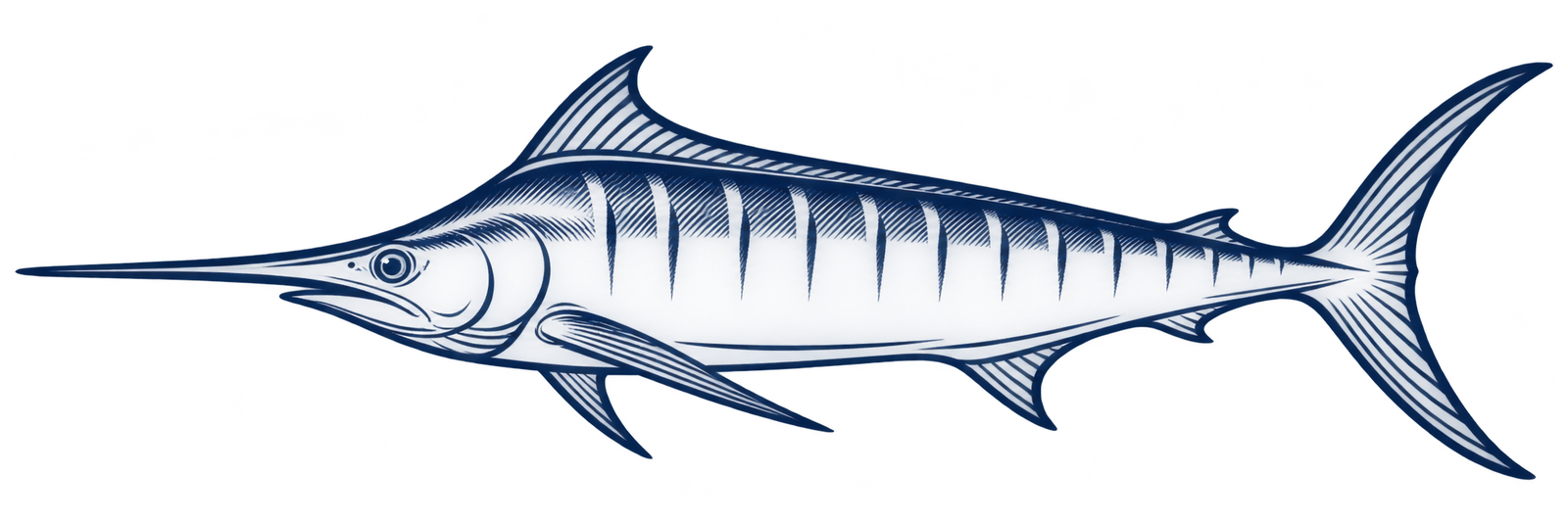
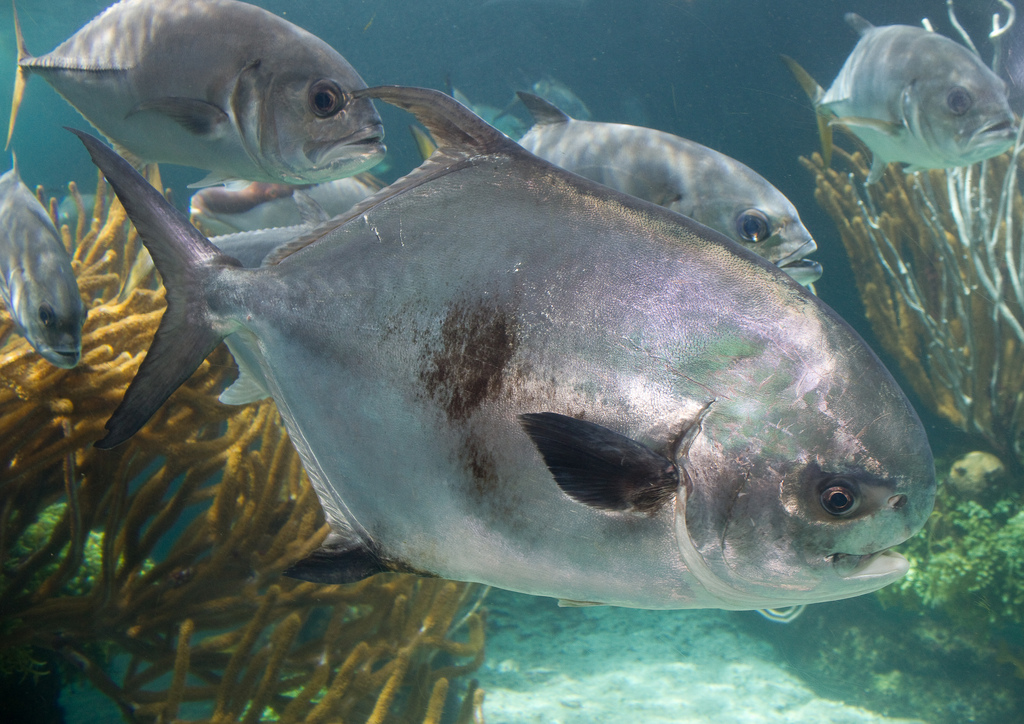
Bonefish and permit are the species to watch on the flats as shallow water recovers from the chill; a few sunny, calm afternoons after a front are classic conditions for tailing fish on the oceanside flats. Sailfish remain the offshore headline, with the reef edge from Key Largo to Marathon usually holding fish whenever bait stacks along a color change. Ballyhoo and pilchards concentrated by the cool water give yellowtail and kingfish plenty to work on. In Florida Bay, redfish and spotted seatrout should slide out of the deeper basins and back onto the banks as the afternoons warm. Mangrove snapper and grey snapper continue to feed around the bridges after dark.
Where to Find Them
On the oceanside, the flats near Islamorada and Lower Matecumbe Key are good places to look for bonefish once the sun is high and the water clears. Offshore, run the reef line around Conch Reef, Davis Reef and Tennessee Reef and watch for frigate birds, ballyhoo showers and temperature breaks. Patch reefs inside Hawk Channel hold yellowtail and grunts when it is too rough outside. In Florida Bay, the banks and channels between Flamingo and the backcountry keys hold reds and trout. The Long Key Bridge and Channel Two Bridge give mangrove snapper current and cover at night.
Tides & Conditions
The moon passed first quarter on November 17 and builds toward a full moon on Tuesday, November 24, so current through the bridges and channels gets stronger every day this week. Expect cool, dry mornings early, then a gradual return to seasonal warmth as winds settle into an easterly pattern. A moderate east breeze can churn the oceanside flats, so plan flats sessions for the calmer windows. Check NOAA marine forecasts before crossing Hawk Channel. Stronger current near the full moon helps the reef edge but can make anchoring difficult.
Tackle & Tactics
For bonefish, an eight-weight fly rod or a seven-foot spinning rod with ten-pound braid and a long fluorocarbon leader handles shrimp, small crab patterns and light skimmer jigs. For sailfish, live pilchards or goggle-eyes on kites or flat lines with circle hooks and a long fluorocarbon leader remain the standard. Yellowtail want light leader, small hooks and a steady chum slick. In Florida Bay, a soft plastic on a light jighead or a gold spoon covers reds and trout. On cool mornings, slow the retrieve and let baits sit longer.
Local Intel This Week
Harry Harris Park in Tavernier offers a public ramp with access to the oceanside reef and the Islamorada flats. Anglers without a boat can fish from the old Long Key Bridge span or the restored Old Seven Mile Bridge walkway in Marathon. The Flamingo marina inside Everglades National Park provides a launch into Florida Bay when the wind cooperates. Holiday-weekend crowds will build next week, so book charters and ramp time early. Check current state and federal regulations and seasons before keeping fish. Bonefish and permit have specific catch-and-release and harvest rules in Florida.
This Week’s Tip
Treat the post-front warm-up as your window. Fish the reef early when the wind is lightest, then turn your attention to the oceanside flats from late morning into the afternoon, when a few degrees of warming and a rising tide can bring bonefish tailing back onto the shallows.
Planning a trip to Florida Keys?
This report tells you what happened. ReelAI tells you what to do about it — a briefing for your date, your target species and how you're fishing, built from our reports plus live NOAA and USGS data.
Powered by ReelAI — fishing.digital's intelligence layer. Answers are generated from fishing.digital reports and public NOAA, NWS and USGS data, and may be incomplete or out of date. Regulations and marine safety information are summaries only; always confirm with the responsible authority before you fish.