Updated: Thursday, November 26, 2026 · Next update: Thursday, December 3, 2026
This Florida Keys fishing report is a seasonal outlook for Thanksgiving week, built from National Weather Service forecasts, a Key West coastal flood statement for high tides and NOAA’s Vaca Key gauge, which read about 75 degrees in Florida Bay Thursday morning. West winds near 15 mph on Thursday swing north and then northeast by Saturday. That wind shift after a front is the classic signal for sailfish along the reef edge, while the cooler bay water pushes bonefish and permit toward the oceanside flats.
What’s Hitting
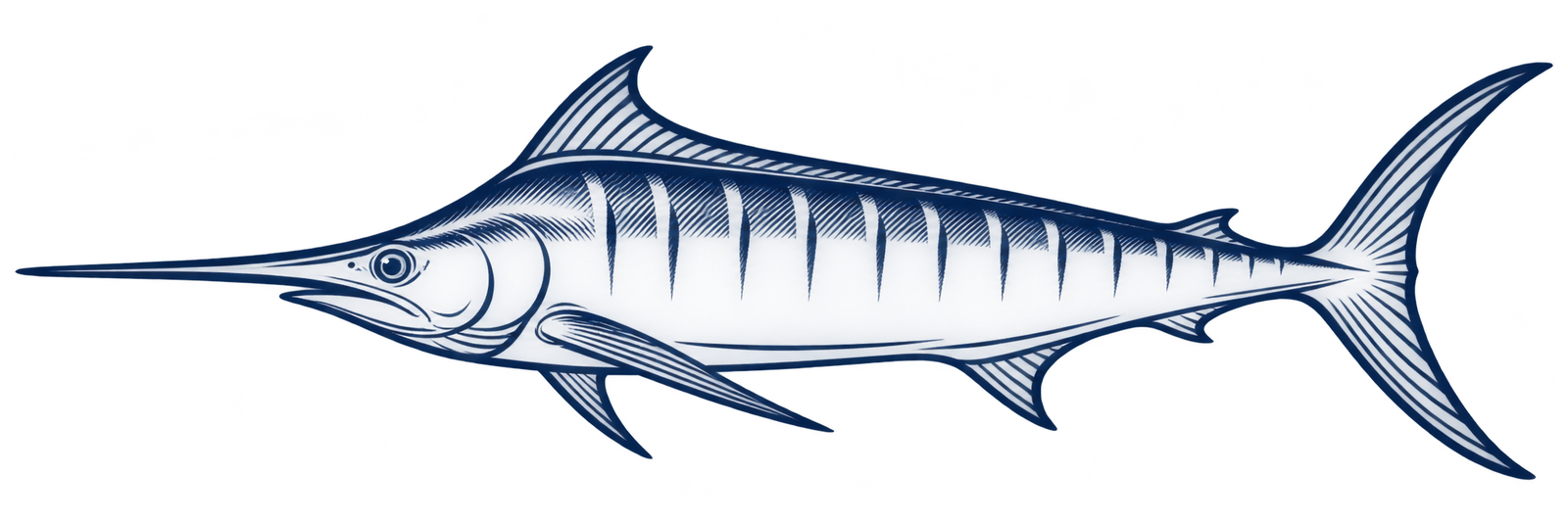
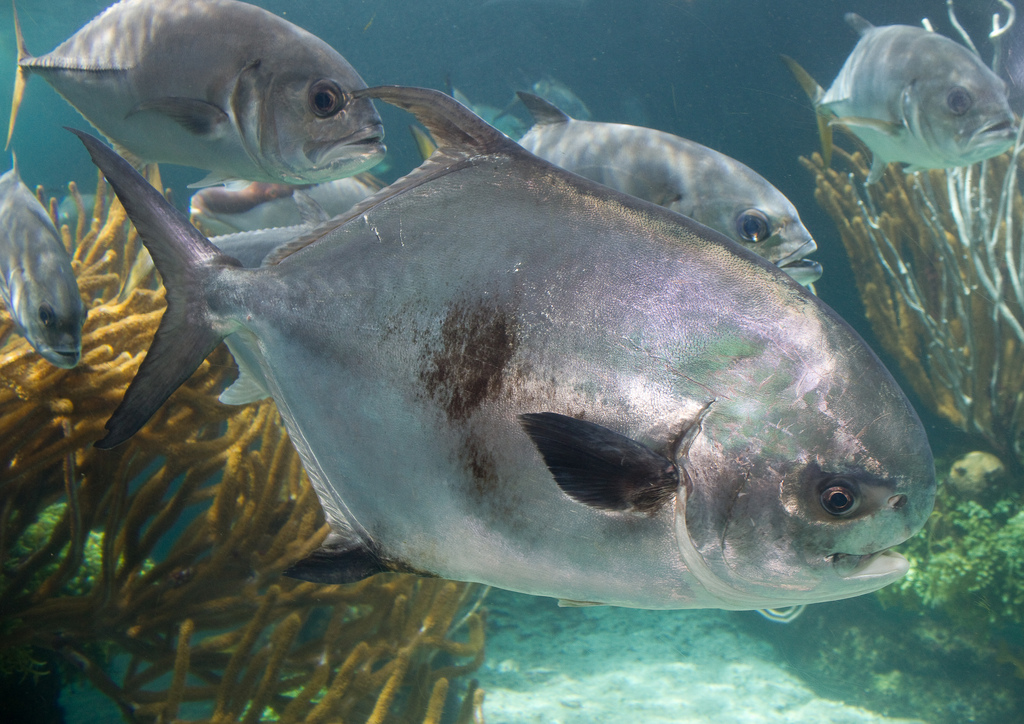
Sailfish are the headline offshore species once northeast wind returns behind the front, typically showing along the reef edge in 100 to 200 feet. Bonefish should favor oceanside flats where Atlantic water is warmer than the cooling bay, and permit will hold on edges and wrecks. Mangrove, lane and yellowtail snapper remain steady on patch reefs and the reef line, especially when chum brings fish up. In the backcountry, seatrout and redfish shift toward deeper basin edges on the coldest mornings. The change from last week is cooler bay water and a better sailfish wind arriving for the weekend.
Where to Find Them
Look for sailfish along the color change and reef edge off Islamorada and Marathon, particularly where bait schools stack against current. Oceanside flats near Long Key and the Middle Keys hold bonefish on the incoming tide after the sun warms the water. Patch reefs inside Hawk Channel, from Tennessee Reef down toward Sombrero Reef, produce snapper with steady chum. Backcountry anglers should probe basin edges and channels in Florida Bay rather than the skinniest flats until afternoon. Bridge channels such as Channel Five and the Seven Mile Bridge funnel bait on strong tides.
Tides & Conditions
Thursday’s west wind near 15 mph eases overnight, turns north around 5 mph Friday and northeast near 10 mph Saturday, with a slight rain chance Sunday. The full moon on November 24 still drives strong tides, and NWS Key West posted a coastal flood statement for elevated high water. Expect cloudy skies Friday through Sunday, which makes sight-fishing harder but can keep sailfish near the surface. Florida Bay clarity should improve as the wind drops, while the ocean side may carry a light chop once northeast wind fills in.
Tackle & Tactics
For sailfish, kite or flat-line live pilchards, ballyhoo or goggle-eyes on circle hooks with 40- to 60-pound fluorocarbon. On the flats, a 7- to 8-weight fly rod or light spinning gear with 10-pound braid and a small shrimp or skimmer jig is enough for bonefish. Patch-reef snapper respond to a chum block, small pieces of cut bait and 15- to 20-pound fluorocarbon with minimal weight. If clouds hide fish, blind-cast along known flat edges on moving water. Our sailfish guide covers kite spreads.
Local Intel This Week
Harry Harris Park in Tavernier offers a public ramp with good Hawk Channel access, and Founders Park in Islamorada provides a ramp and marina services. The Old Seven Mile Bridge fishing access and the Long Key Viaduct give walk-on anglers deep-water bridge structure. Boaters should respect the no-motor and idle zones on Florida Bay flats and inside Everglades National Park. Expect holiday traffic at Bahia Honda and Marathon ramps on Friday. Check current state and federal regulations and seasons before keeping fish, including reef-fish closures and the Florida Keys National Marine Sanctuary rules.
This Week’s Tip
Watch the hours after the wind turns northeast on Saturday. That first steady breeze after a front is when sailfish tend to tail down-sea along the reef edge, and a captain who is already in position with live bait will see the best shots.
Planning a trip to Florida Keys?
This report tells you what happened. ReelAI tells you what to do about it — a briefing for your date, your target species and how you're fishing, built from our reports plus live NOAA and USGS data.
Powered by ReelAI — fishing.digital's intelligence layer. Answers are generated from fishing.digital reports and public NOAA, NWS and USGS data, and may be incomplete or out of date. Regulations and marine safety information are summaries only; always confirm with the responsible authority before you fish.