Updated: Thursday, October 8, 2026 · Next update: Thursday, October 15, 2026
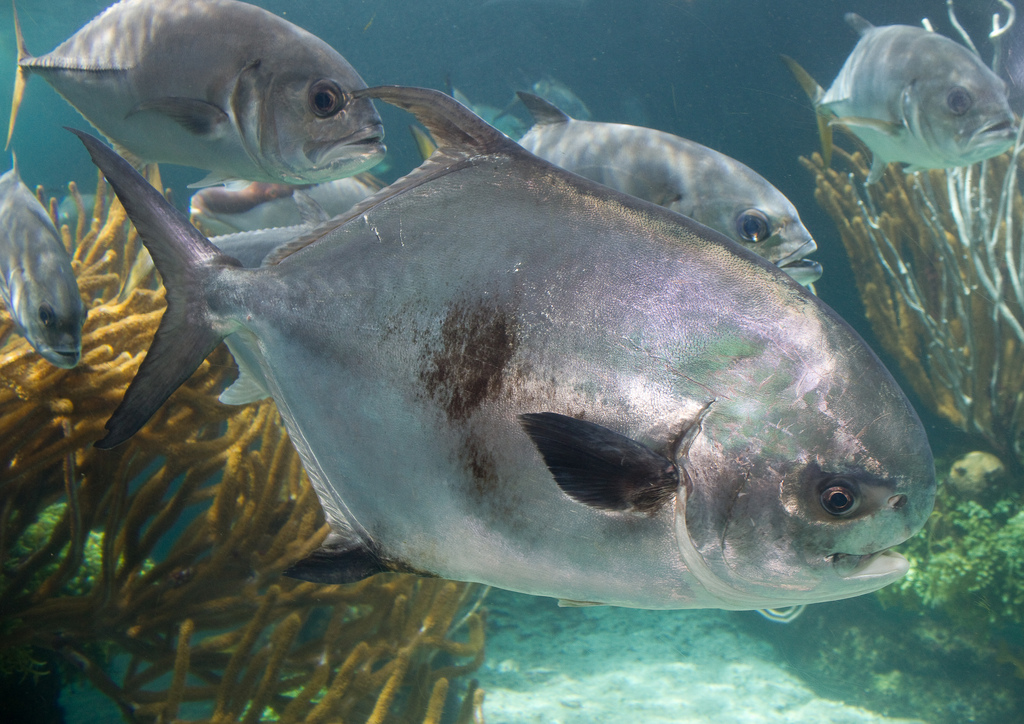
This Florida Keys fishing report covers early October, a transition month in the islands. The summer heat is easing, hurricane season is still in the background, and a lot of species overlap. Permit are the lead target on the offshore wrecks and the Gulf side channels, with mutton snapper on the reef edges and bonefish on the oceanside flats. The new moon at the end of the week sets up some of the strongest tides of the month, and that moving water is the condition to plan around.
What’s Hitting
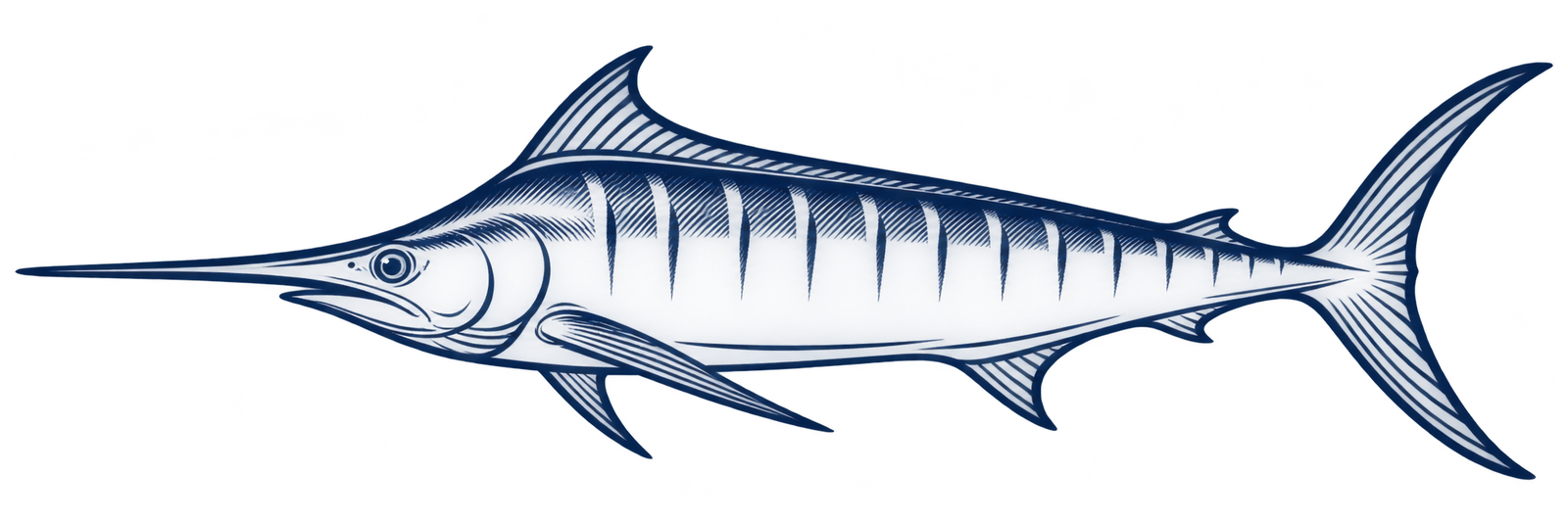
Permit are the headliners on the offshore wrecks and the Gulf side channels, eating live crabs and shrimp. Mutton snapper work the reef edges and patches, especially around the new moon, and yellowtail snapper rise in the chum slick on the reef line. Bonefish feed on the oceanside flats, tarpon linger around the bridges, and mahi and the occasional sailfish roam offshore.
Where to Find Them
For permit, try the wrecks in 60 to 100 feet and the Gulf channels near Marathon and Key West, and look for tailing fish on the flats when the water is calm. Wrecks hold crabs and baitfish and break the current, which is why permit gather over them. Muttons hold on the edge of the reef, the patches off Key Largo and the Marathon hump area.
Bonefish prefer the oceanside flats on a rising tide, particularly around Islamorada and the lower Keys backcountry. The incoming water lets them slide up onto the shallows to feed, then drop back to the edges as the tide falls.
Tides & Conditions
The new moon brings stronger tides. Moving water makes permit and tarpon more active at the wrecks and bridges, and the flats drain quickly on the dropping tide, so plan your wading and poling around the schedule. Easterly winds can make the ocean side bumpy, so check the forecast before you commit to the offshore trip.
Tackle & Tactics
- Permit offshore: a live crab on a light fluorocarbon leader.
- Permit on the flats: a small crab fly or a shrimp-style jig.
- Muttons: live ballyhoo, pilchards or cut bait on the bottom with a long leader.
- Yellowtail: light line and a small hook behind a steady chum stream.
- Bonefish: a quiet approach and light tackle.
From the upper Keys, keep an eye on the Gulf Stream position, which can bring clean blue water close to the reef. When the blue water edge is near, mahi and blackfin tuna sit within a short run, and the reef fishing improves too.
Local Intel This Week
Public access includes Harry Harris Park in Tavernier, the Sombrero Boat Ramp in Marathon and Garrison Bight in Key West, and the location guide also lists Founders Park, Simonton Street Beach and Mary’s Marina. Launch at Harry Harris or Founders Park for the upper Keys reef and the Key Largo patches, use Sombrero for the Marathon hump and the Gulf channels, and run out of Garrison Bight for the Key West wrecks. Fish concentrate on the reef edges, the Gulf channels and the bridge pilings. Snapper and permit rules in the Keys differ from other parts of the state. Check current FWC and federal regulations and seasons before keeping fish.
This Week’s Tip
Chum well and keep it consistent. In the Keys, an unbroken trickle of chum brings snapper up the slick, and the bigger muttons sit at the back of the line, so put your best bait there. If the chum stream breaks, the fish drift off, and pulling them back takes time.
Planning a trip to Florida Keys?
This report tells you what happened. ReelAI tells you what to do about it — a briefing for your date, your target species and how you're fishing, built from our reports plus live NOAA and USGS data.
Powered by ReelAI — fishing.digital's intelligence layer. Answers are generated from fishing.digital reports and public NOAA, NWS and USGS data, and may be incomplete or out of date. Regulations and marine safety information are summaries only; always confirm with the responsible authority before you fish.