Updated: Thursday, October 8, 2026 · Next update: Thursday, October 15, 2026
This Jacksonville fishing report covers early October, the start of the best fishing of the year in Northeast Florida. The marsh is full of mullet and finger-sized shrimp, redfish are fat and aggressive, and flounder are staging for their fall move to the inlets. Redfish are the lead target in the marsh creeks, with whiting in the surf and trout on the grass. The new moon at the end of the week brings stronger tides, and the falling tide is the condition to plan every marsh trip around.
What’s Hitting
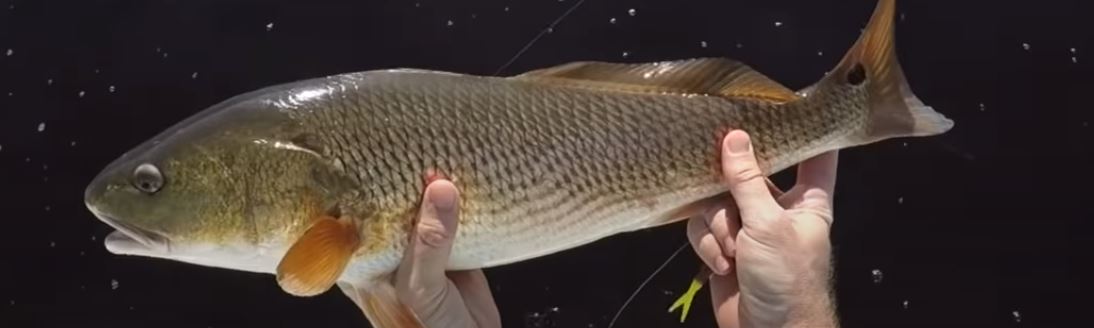
Redfish are the main attraction. Schools work the marsh creeks, and big bull reds begin moving through the St. Johns River mouth and the jetties. Flounder stack up on the jetties and the sandy bottoms near the inlet, and speckled trout sit on the grass edges. Whiting and pompano feed along the beaches, and sheepshead start to show on structure.
Where to Find Them
Fish the marsh creeks around Sisters Creek and the Fort George River on a falling tide, when reds push into the shallow cuts and hold on oyster bars. Oyster bars break the current and collect bait, which makes them natural ambush points as the water drains. For flounder, work the jetties at Mayport and the sand edges inside the inlet, since flounder lie on sand beside hard structure and wait for bait to sweep past. The surf at Huguenot and Little Talbot Island gives up whiting and the occasional pompano, and trout hold on the grass flats in the Nassau Sound area.
Tides & Conditions
The new moon brings stronger tides. Marsh fishing is best on the falling tide as water leaves the flats, and the stronger the tide, the more the fish concentrate at the mouths of the creeks. Bigger moon tides drain the grass more completely, which is why creek mouths become such reliable funnels during this phase. Winds from the northeast can muddy the surf, so choose the protected marsh creeks on rough days.
Tackle & Tactics
- Redfish: a quarter-ounce jig head with a paddle tail, or a live mud minnow on a Carolina rig.
- Flounder: a slow-rolled jig tipped with a strip of squid, bounced along the bottom beside the rocks.
- Whiting: a double-drop rig with fresh shrimp or Fishbites in the surf.
Use a fluorocarbon leader and keep the bait moving along the bottom. The sliding sinker on a Carolina rig keeps a mud minnow near the bottom while letting it swim naturally, and fluorocarbon is harder for fish to see in clear inlet water.
Local Intel This Week
Public access includes the Sisters Creek Park ramp, the Mayport Boat Ramp and the Fort George River ramp, with Huguenot Memorial Park for surf fishing. Sisters Creek Park sits close to both the marsh creeks and the mouth of the St. Johns River, which makes it a practical launch for working both patterns on one tide. Use the Mayport ramp for the jetties, and walk the beach at Huguenot for whiting. Fish concentrate around the jetties, the creek mouths and the oyster bars. Slot rules apply to redfish. Check current FWC and federal regulations and seasons before keeping fish.
This Week’s Tip
Fish the last two hours of the falling tide. In the marsh, that is when the water drains out of the grass and reds gather at the creek mouths waiting for a meal. Set up just off a mouth, cast up into the outflow and let the bait wash down naturally to the waiting fish.
Planning a trip to Jacksonville?
This report tells you what happened. ReelAI tells you what to do about it — a briefing for your date, your target species and how you're fishing, built from our reports plus live NOAA and USGS data.
Powered by ReelAI — fishing.digital's intelligence layer. Answers are generated from fishing.digital reports and public NOAA, NWS and USGS data, and may be incomplete or out of date. Regulations and marine safety information are summaries only; always confirm with the responsible authority before you fish.