
Updated: Historical report for the week of October 8, 2026 (original publication date preserved; reorganized October 27, 2026) · Next update: None. This archived week will not be updated again; for current conditions, read the latest Fort Myers/Sanibel fishing report.
This Fort Myers/Sanibel fishing report covers the week of October 8, 2026, when the water was cooling slowly, red tide worries were not part of the discussion, and fish were feeding well. Redfish in Pine Island Sound led the week, snook worked the passes, and trout held on the grass. The variable that mattered most was the new moon that weekend, which pushed big tides through the sound.
What’s Hitting
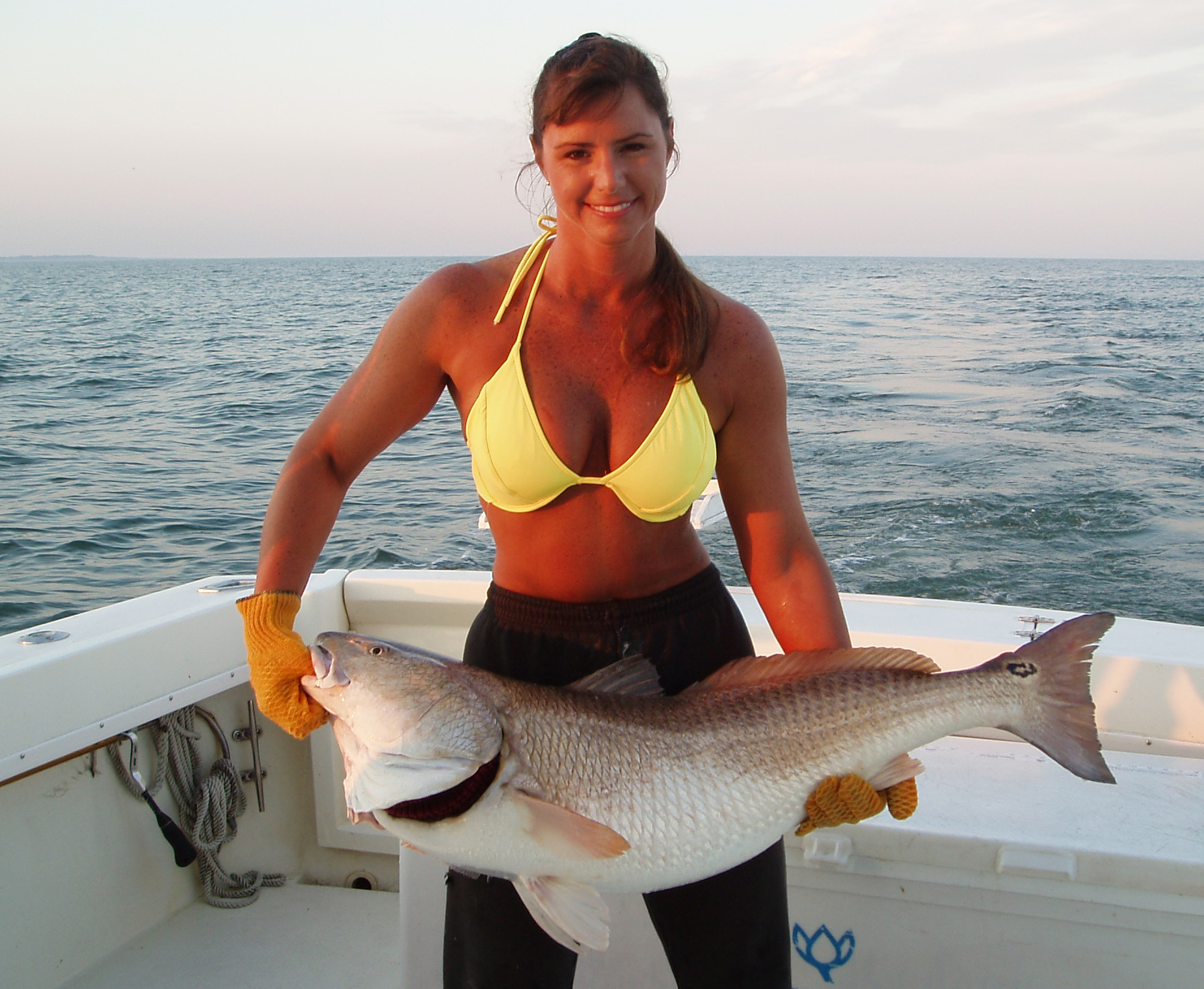
Redfish were the standout, with schools working the oyster bars and mangrove edges in Pine Island Sound and Matlacha Pass. Snook were at the passes, including Captiva, Redfish Pass and Boca Grande, feeding on pilchards on the outgoing tide. Speckled trout were on the grass flats, and tarpon were lingering in the passes. Sheepshead and mangrove snapper rounded out the week on the docks and bridges. Taken together, it was a classic early-fall mix: reds as the most reliable inshore target, snook as the best tide-driven opportunity, and trout as the dependable dawn option.
Where to Find Them
Reds were on the mangrove edges and oyster bars around Pine Island, Useppa and the Sanibel Causeway. The passes fished best on the outgoing tide, with snook along the edges and in the deeper holes where current carries bait past ambush points. The grass flats near Cayo Costa and Charlotte Harbor held trout, and the Caloosahatchee held snook around the docks and the river mouth. Each of those zones combines moving water, structure and bait, which is why fish concentrated there rather than on open, featureless flats.
Tides & Conditions
The new moon brought strong tidal flow through the passes and into the sound. The outgoing tide pushed bait out, and fish lined up to feed. On the flats, the rising tide was best for reds working into the mangroves. Wind could be a factor in the open sound, so the lee side of the islands offered cleaner, more fishable water. Strong new-moon tides also drain the shallow bars quickly, so running the sound late in a falling tide calls for extra care.
Tackle & Tactics
Live pilchards, pinfish or shrimp worked for most species. For reds, a gold spoon or a paddle tail on a quarter-ounce jig head was productive. For snook, a white or chartreuse swimbait on a light jig head worked in the passes. Trout took a topwater at dawn or a soft plastic under a popping cork. Keep your leader fresh, because oysters cut line; a 20- to 30-pound fluorocarbon leader is a practical middle ground for mixed reds and snook. For more on pass and mangrove snook presentations, see our snook fishing guide.
Local Intel This Week
Public access that week included the Cape Coral Yacht Club ramp, Sanibel Causeway Park and Matlacha Park, with Bokeelia and the Pine Island ramps serving the north side. The Punta Rassa Boat Ramp near the causeway is another practical public launch for the passes and the lower sound. Fish were concentrating at the passes and the oyster bars rather than spread across the interior. Check current FWC and federal regulations and seasons before keeping fish, and handle snook carefully if you release them. Use this report as a historical reference for early-October patterns, not as a description of today’s water.
This Week’s Tip
Pay attention to the tide. Redfish on the oyster bars were most active at the top of the tide and the first half of the drop, so time a trip to hit that window. When planning around a future early-October new moon, start on the bars at high water and move to the passes as the outgoing builds.
Planning a trip to Fort Myers/Sanibel?
This report tells you what happened. ReelAI tells you what to do about it — a briefing for your date, your target species and how you're fishing, built from our reports plus live NOAA and USGS data.
Powered by ReelAI — fishing.digital's intelligence layer. Answers are generated from fishing.digital reports and public NOAA, NWS and USGS data, and may be incomplete or out of date. Regulations and marine safety information are summaries only; always confirm with the responsible authority before you fish.