Updated: Thursday, November 19, 2026 · Next update: Thursday, November 26, 2026
This Hawaii fishing report is a seasonal outlook for the week of November 19, built from the forecast and seasonal patterns rather than verified catches. After a wind advisory covered much of the state over the weekend, forecasters expected the strong high north of the islands to weaken and drift east, easing the trades. Passing showers favored windward and mountain areas, and a High Surf Advisory for Maui and Big Island north shores ran into Tuesday morning. Easing trades should widen the fishing windows.
What’s Hitting
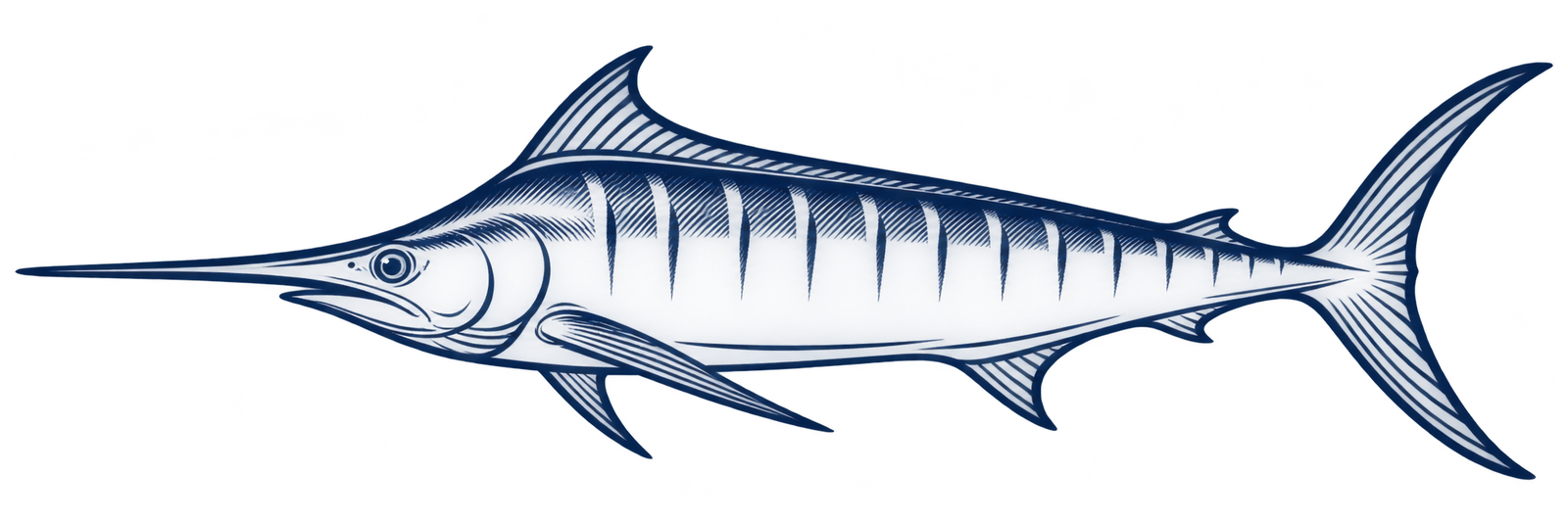
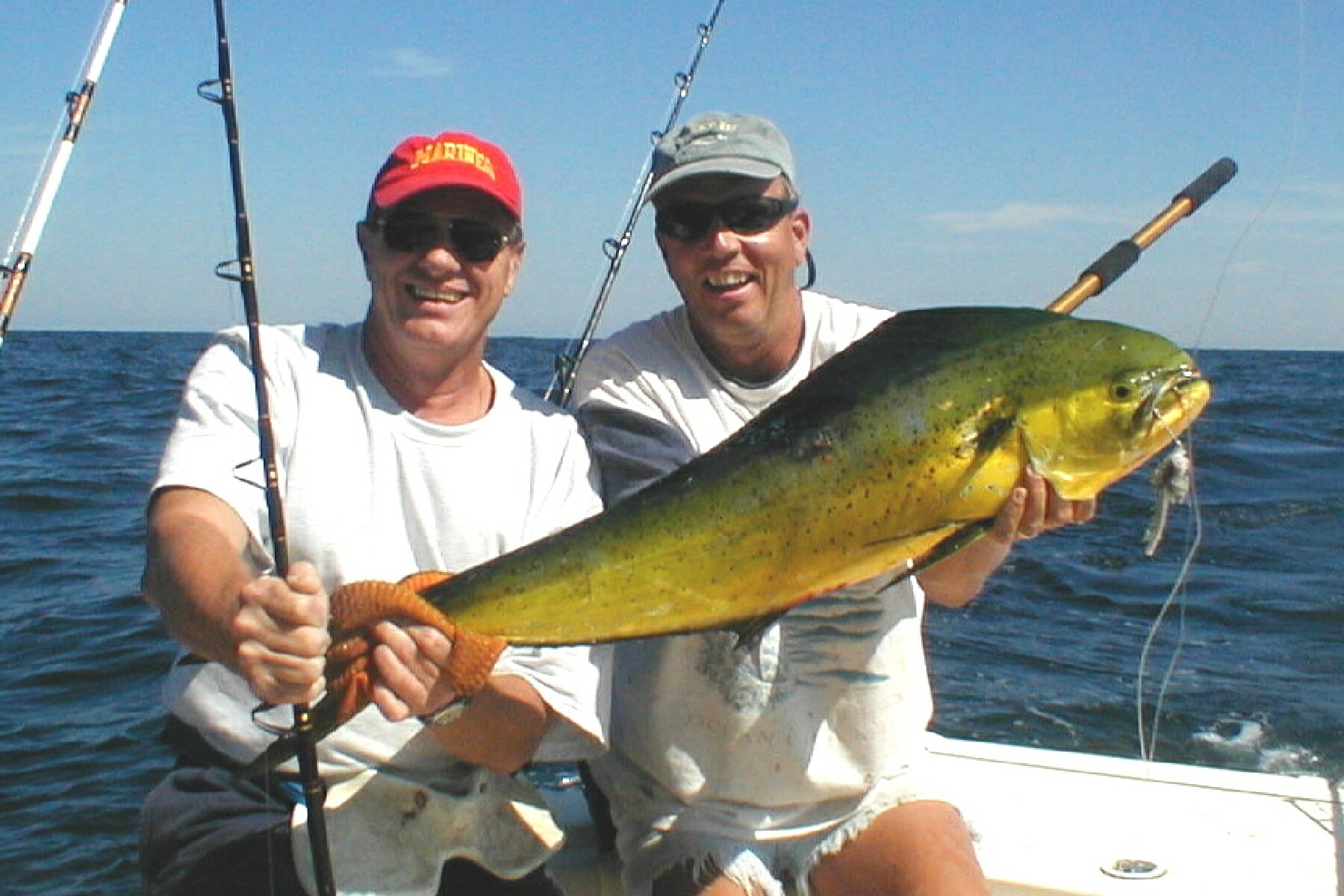
Mahimahi are a strong offshore option in late fall, often found around floating debris, weed lines and fish aggregation buoys. Ono remain along ledges, while yellowfin and skipjack tuna can show around buoys and bird piles. From shore, papio, the juvenile stage of ulua and other trevally, are a light-tackle target along reefs and harbor mouths, especially during low light. Oio (bonefish) feed on sandy flats and in channels on Oahu and other islands, and calmer conditions with lighter wind make them easier to spot. Bottomfish options improve as seas settle. Ulua remain a premier night target from rocky shorelines for anglers with heavier gear.
Where to Find Them
Leeward waters such as the Kona coast remain the most reliable for offshore trips, with ledges and buoys off the Big Island’s west side holding mahimahi and ono. On Oahu, the Waianae coast and the buoys off the south and west shores are traditional pelagic grounds when the trades relax. Oio are found on Oahu’s sand flats, including areas in Kaneohe Bay and along the south shore. Papio can be found along rocky shorelines, reef edges and harbor entrances across the islands, especially at dawn and dusk. Big Island anglers also work the ledges off Kawaihae and the drop-offs south of Kailua-Kona.
Tides & Conditions
The moon reached first quarter on November 17 and builds toward a full moon on November 24, so tidal ranges increase through the week. Hawaii’s tides are small compared with mainland coasts, but stronger tidal movement on the flats helps oio feeding and moves bait along reef edges. Forecasters expected trades to ease statewide early in the week, with periodic overnight and early-morning showers. North-facing shores carried high surf into Tuesday; leeward and south-facing waters should offer the calmest options for small boats and shore fishing.
Tackle & Tactics
For mahimahi and ono, troll skirted lures or diving plugs at moderate speeds along ledges and around buoys with 50- to 80-pound class gear, and keep a spinning rod ready to cast a jig or bait to schools near debris. For oio, use a light spinning rod with 8- to 12-pound line and cut bait or shrimp on a sliding sinker rig, or a small crab fly on an eight-weight. For papio, cast small poppers, swimbaits or metal jigs on a medium spinning rod along reef edges at first light.
Local Intel This Week
Honokohau Harbor on the Kona coast is a central launch and charter base for offshore trips, and Kawaihae Harbor serves the northwest side of the Big Island. On Oahu, Keehi Small Boat Harbor has public ramps, and Ala Moana Beach Park and Magic Island give shore anglers access to south-shore reefs and channels. Shore anglers should stay off rocky ledges facing any lingering north swell. Check current state and federal regulations and seasons before keeping fish, including minimum sizes for papio and ulua and bottomfish rules. With Thanksgiving next week, harbors and charter docks get busier, so book early and plan around the full moon tides. Launch early, before afternoon winds build.
This Week’s Tip
Lighter trades are the cue for the flats. Look for calm mornings with sun high enough to spot oio, fish the incoming tide as water floods the sand, and move slowly. Offshore crews should plan for the leeward side, where seas settle first.
Planning a trip to Hawaii?
This report tells you what happened. ReelAI tells you what to do about it — a briefing for your date, your target species and how you're fishing, built from our reports plus live NOAA and USGS data.
Powered by ReelAI — fishing.digital's intelligence layer. Answers are generated from fishing.digital reports and public NOAA, NWS and USGS data, and may be incomplete or out of date. Regulations and marine safety information are summaries only; always confirm with the responsible authority before you fish.