Updated: Thursday, June 18, 2026 · Next update: Thursday, June 25, 2026
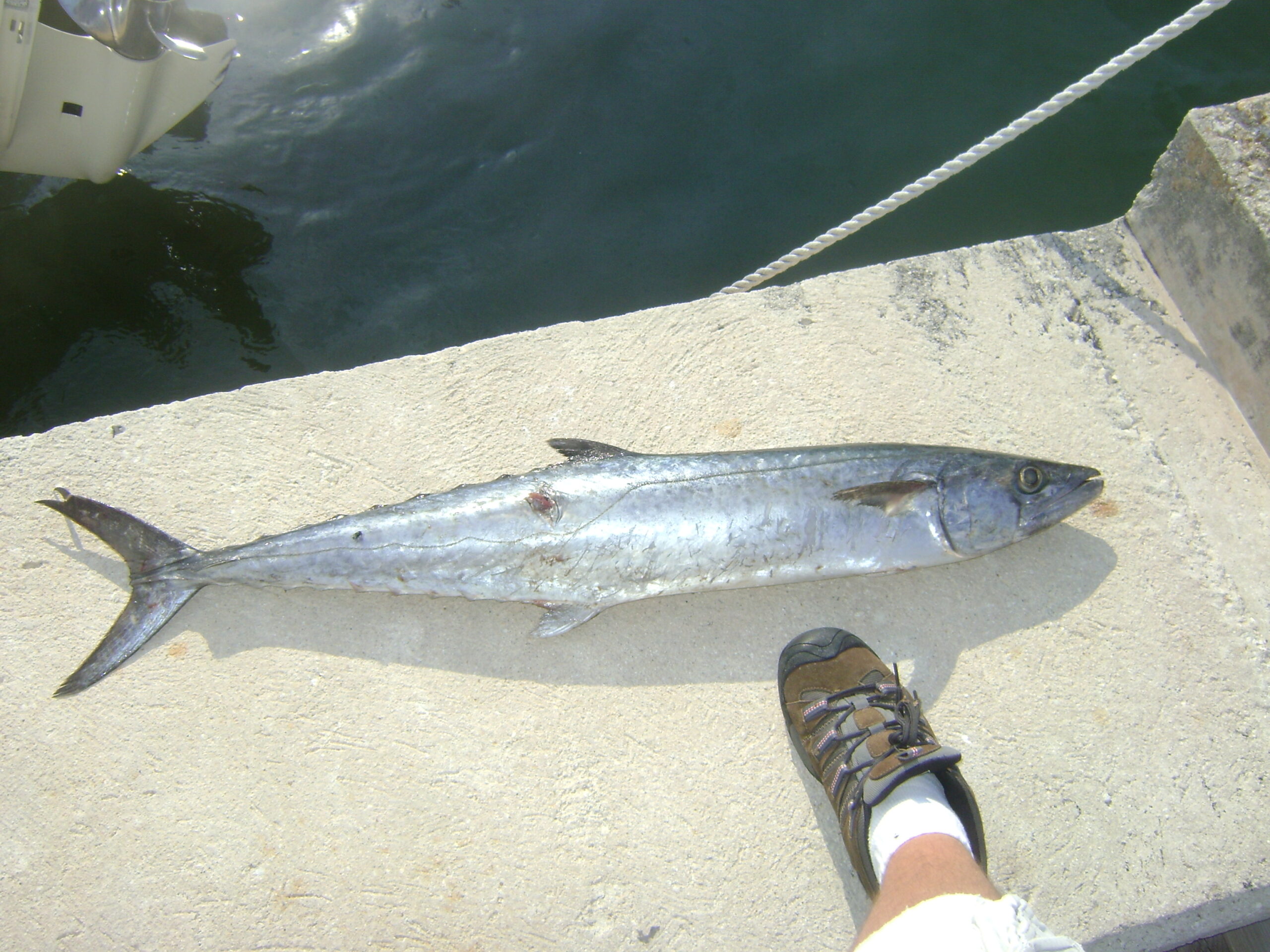
This Jacksonville fishing report covers mid-June, when Northeast Florida rolls into summer with kingfish setting up on the nearshore reefs. Kings are the lead target, the marsh fishing stays strong for redfish, mangrove snapper stack the jetties, and a few tarpon show along the beaches and the St. Johns. The afternoon storms that build over the First Coast are the condition to plan around, so net bait and make the offshore run early, while the morning bite is on.
What’s Hitting
Kingfish move onto the nearshore reefs and wrecks and are the offshore highlight. Redfish work the marsh grass and oyster bars on the higher tides, and mangrove snapper stack on the jetties and nearshore structure.
Spotted seatrout hang on the creek mouths and flats, and tarpon start to show along the beaches and around the St. Johns River mouth.
Where to Find Them
Fish the nearshore reefs and wrecks in 40 to 90 feet for kings and snapper. The jetties at the St. Johns mouth hold snapper, reds and flounder on the tide; jetty rocks and wrecks give snapper cover and draw the small baitfish and crustaceans they feed on.
For redfish, work the marsh grass and oyster bars of the Intracoastal and the back creeks on the flooding tide. Trout sit at the creek mouths and on the flats early, and tarpon cruise the beaches and the river mouth.
Tides & Conditions
Marsh redfish fishing is tide-driven, with the flood pushing fish up onto the grass and bars. Kings feed through the morning before the sea breeze and storms. Nearshore water clarity is decent, and temperatures sit in the low-to-mid 80s.
Afternoon thunderstorms are a daily First Coast feature this time of year, so plan the offshore run early. The St. Johns River mouth runs hard on the falling tide, flushing bait to the jetties and beaches where kings and tarpon set up to ambush it.
Tackle & Tactics
Start the day with a cast net and finish it with a stinger rig.
- Kings: slow-troll live menhaden (pogies) on stinger rigs after cast-netting a livewell full at the beach. The stinger treble catches the short strikes kings are known for.
- Reds: cut mullet, live shrimp and gold spoons worked along the grass and bars.
- Snapper: light fluoro and live shrimp at the jetties.
- Trout: popping corks and soft plastics on the creek mouths early, before the heat shuts them down.
Local Intel This Week
The Sisters Creek ramp at Helen Cooper Floyd Park near Mayport is the prime launch for the river mouth, the jetties and the nearshore kingfish grounds; from there, net pogies along the beach and run to the reefs. The Atlantic Boulevard ramp serves the ICW and marsh, the better choice for redfish on the flooding tide. Check current FWC and federal regulations and seasons before keeping fish.
This Week’s Tip
Bait is everything for the king bite. Spend the first part of your morning finding and netting a livewell of fresh pogies on the beach before you ever head to the reef. Frisky, fresh-netted baits on a slow troll draw strikes that frozen or tired bait simply won’t; the live, swimming pogie is what turns a follow into a strike.
Planning a trip to Jacksonville?
This report tells you what happened. ReelAI tells you what to do about it — a briefing for your date, your target species and how you're fishing, built from our reports plus live NOAA and USGS data.
Powered by ReelAI — fishing.digital's intelligence layer. Answers are generated from fishing.digital reports and public NOAA, NWS and USGS data, and may be incomplete or out of date. Regulations and marine safety information are summaries only; always confirm with the responsible authority before you fish.