
The Panhandle has settled into a light-wind stretch that has the Gulf flat before nine. That is the whole report in one sentence — the water is fishable, the bait is thick along the beaches, and the fish are where they should be. The catch is the afternoon: storms have been building hard and early, so the good days are being made before noon.
What’s Hitting
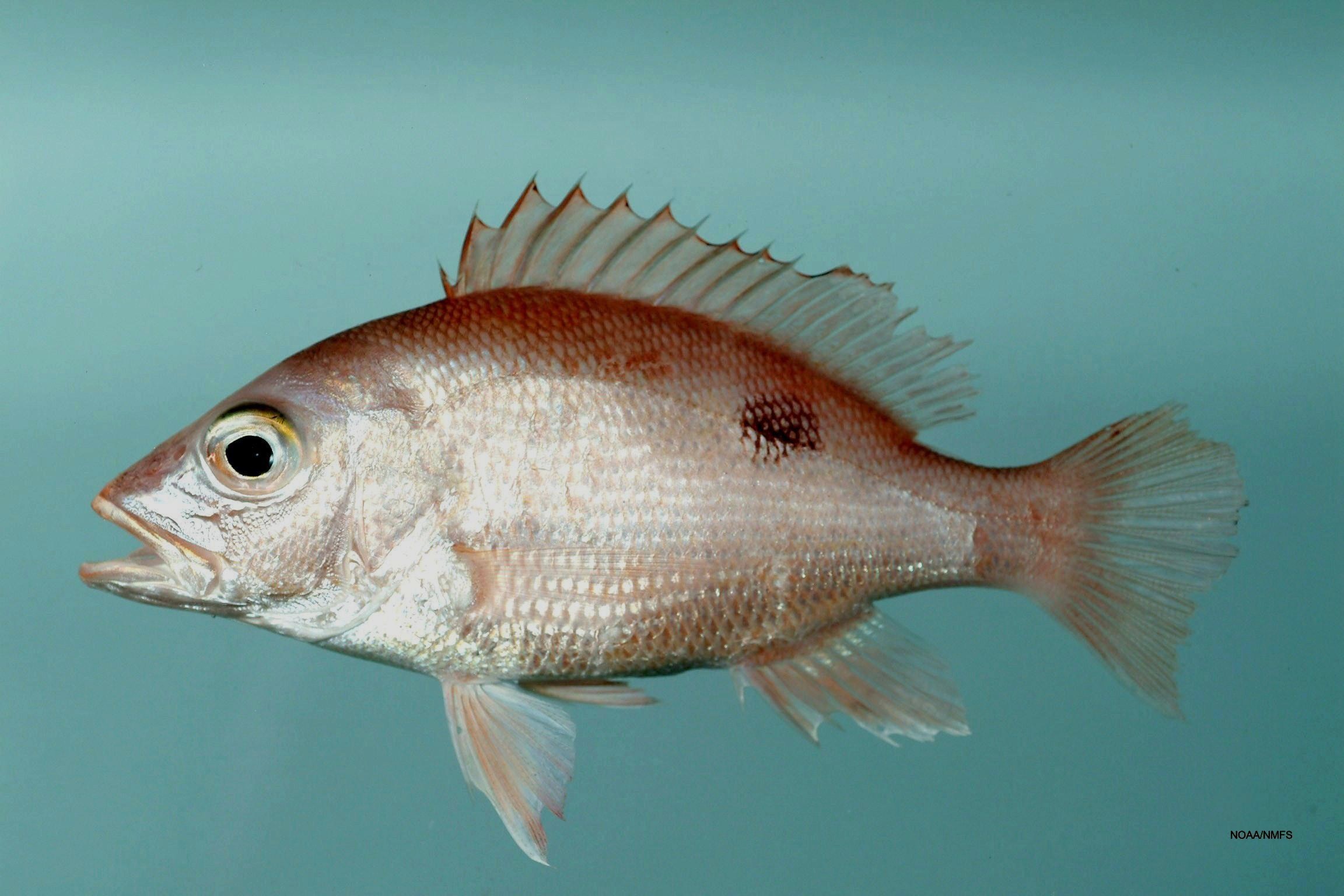
Kingfish are strong on the nearshore wrecks and the bait pods just off the beach, with big Spanish mackerel mixed in and a few cobia still around. Offshore bottom fishing in 100 to 180 feet has been steady for a mixed bag of snapper and grouper — note that federal season windows change through the year, so confirm what is open before you drop. Speckled trout are eating well at first light along the pass edges and the bayou drop-offs. Redfish are on the grass beds and around the bridge rubble, with bull reds starting to show near the pass.
Where to Find Them
The nearshore wrecks and public reefs in 60 to 100 feet off Pensacola Beach have the kings. For bottom fish, the deeper natural bottom and public reef zones south of the pass in 120 to 180 feet have been most productive. Inshore, work the deep grass and drop-offs in Big Lagoon and Santa Rosa Sound at gray light for trout. Redfish are around the Pensacola Bay Bridge rubble, the Three Mile Bridge pilings and the marsh edges in Escambia Bay. The pass itself holds everything on a moving tide.
Tides & Conditions
Gulf coast tides here are small and largely diurnal, so wind and the single daily exchange matter more than range — this week the useful movement is the morning fall through the pass. Gulf water is in the mid 80s, inshore high 80s. Mornings are calm with a light southeast breeze, sea breeze filling by eleven. Afternoon thunderstorms are a daily certainty inland with frequent movement to the coast after two.
Tackle & Tactics
For kings, slow-troll live hardtails or cigar minnows on a light-wire stinger rig — 20- to 30-pound tackle, and let the fish take line on the strike. Spanish will hit a fast-retrieved spoon or a long shank hook with a live minnow. Bottom fishing: 60-pound braid, 80-pound leader, a knocker rig and a big fresh bait. Inshore, a 2500- to 3000-size spinner, 15-pound braid and 20-pound fluoro with a soft plastic on a quarter-ounce head worked along the grass edge covers trout and reds. A live shrimp under a popping cork is the reliable fallback.
Local Intel This Week
The Pensacola Bay Bridge ramps at Bayview Park and the Sherman Cove ramp on NAS serve the bay, while the Galvez Landing ramp near Perdido and the Big Lagoon ramp are the practical launches for the pass and the west side. Shore anglers are catching macks and kings from the Pensacola Beach Gulf Pier. Fish are concentrating on structure and current — bridge rubble, wrecks, the pass edges. Gulf reef fish seasons and bag limits change frequently and differ between state and federal waters; check current FWC and Gulf federal regulations before keeping any fish.
This Week’s Tip
When you mark bait on the nearshore wrecks but nothing eats, drop back and troll a wide arc around the structure instead of over it. Late-August kings often hold fifty to a hundred yards off the wreck in cleaner water, ambushing bait that spills off the edge. Trolling directly over the top puts your baits behind the fish.
Planning a trip to Pensacola?
This report tells you what happened. ReelAI tells you what to do about it — a briefing for your date, your target species and how you're fishing, built from our reports plus live NOAA and USGS data.
Powered by ReelAI — fishing.digital's intelligence layer. Answers are generated from fishing.digital reports and public NOAA, NWS and USGS data, and may be incomplete or out of date. Regulations and marine safety information are summaries only; always confirm with the responsible authority before you fish.