
Updated: Thursday, November 5, 2026 · Next update: Thursday, November 12, 2026
This Tampa Bay fishing report is a seasonal outlook for early November, with cooler fronts, shorter days after daylight saving, and the new moon on Monday, November 9 expected to shape the week. Bay species should shift toward structure and deeper holes as the first real cool snaps arrive. Treat it as a planning guide and confirm conditions with a local tackle shop before launching a boat.
What’s Hitting
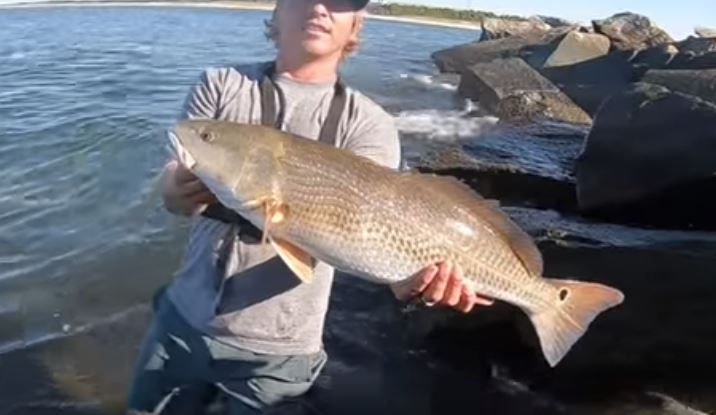
In early November, Tampa Bay anglers typically see a handoff from the late-summer pattern to winter structure fishing. Sheepshead often begin collecting around bridge pilings, docks, and the artificial reefs, and black drum can show up in the channel edges and deeper holes. Spanish mackerel and some bluefish may still roam the open bay and Egmont Channel where bait lingers. Redfish and trout should keep working grass flats and mangrove shorelines, especially on warm afternoons after a front passes. Snook often begin heading toward warmer backwater creeks and power plant outflows. Day-to-day change in wind direction and the strength of the front usually decides how aggressive fish become.
Where to Find Them
The Sunshine Skyway Bridge pilings and the fishing piers are classic early-season sheepshead territory, and the shallow flats around Weedon Island and Fort De Soto often hold trout and redfish. Upper Tampa Bay near the Courtney Campbell Causeway and the Gandy Bridge offers grass and sand holes. Egmont Channel and Passage Key can concentrate mackerel and bait when seas are calm. For protected water on windy days, Boca Ciega Bay and the mangrove creeks around Pinellas Point give anglers reasonable shelter. Anclote Key and the Pinellas flats near Tarpon Springs also deserve attention for anglers with a boat and calm weather.
Tides & Conditions
Tides in Tampa Bay tend to be mixed, with one stronger and one weaker exchange each day, so planning around the bigger flow is useful. The new moon on Monday, November 9 should strengthen moving water near the Skyway and the channels, which often helps bridge fishing and drifting. Shallow flats generally fish best when water is moving across them rather than at dead low. After a cold front, strong north winds may push water out of the bay and shrink the usual tide window.
Tackle & Tactics
Sheepshead call for light spinning gear, a small strong hook, a fluorocarbon leader, and fiddler crabs or live shrimp fished tight to pilings. For black drum, use a stouter rod with cut crab, shrimp, or clams on a sinker rig. Spanish mackerel respond to small casting spoons, silver jigs, and fast retrieves, with a short wire leader to prevent cut-offs. On the flats, a three-inch paddle tail on a quarter-ounce jig, a suspending twitchbait, and live shrimp under a cork remain reliable. Bring a landing net and dehooking tool. A spare spool of lighter fluorocarbon helps when the water is clear.
Local Intel This Week
Public access is easy. The Skyway Fishing Pier State Park offers long, lit piers on the old bridge approaches, and Fort De Soto Park provides a pier, surf, and flats across several well-known beach areas. Picnic Island Park near Tampa and the Gandy Bridge fishing access serve anglers on the north side of the bay. Many spots fill quickly on weekends, so arrive early and keep a close eye on afternoon weather. Check current state and federal regulations and seasons before keeping fish. St. Pete Pier and the Gandy fishing access also provide shore anglers with easy parking and facilities. Keep an eye on trailer parking limits at popular ramps.
This Week’s Tip
Fish the Skyway Fishing Pier on the strongest tide of the day with fiddler crabs and a small hook, and keep your bait right against the pilings before moving to the next section. Check the tide chart first and plan to arrive about an hour before the stronger flow begins, since fish often settle into position early.
Planning a trip to Tampa/St. Pete?
This report tells you what happened. ReelAI tells you what to do about it — a briefing for your date, your target species and how you're fishing, built from our reports plus live NOAA and USGS data.
Powered by ReelAI — fishing.digital's intelligence layer. Answers are generated from fishing.digital reports and public NOAA, NWS and USGS data, and may be incomplete or out of date. Regulations and marine safety information are summaries only; always confirm with the responsible authority before you fish.