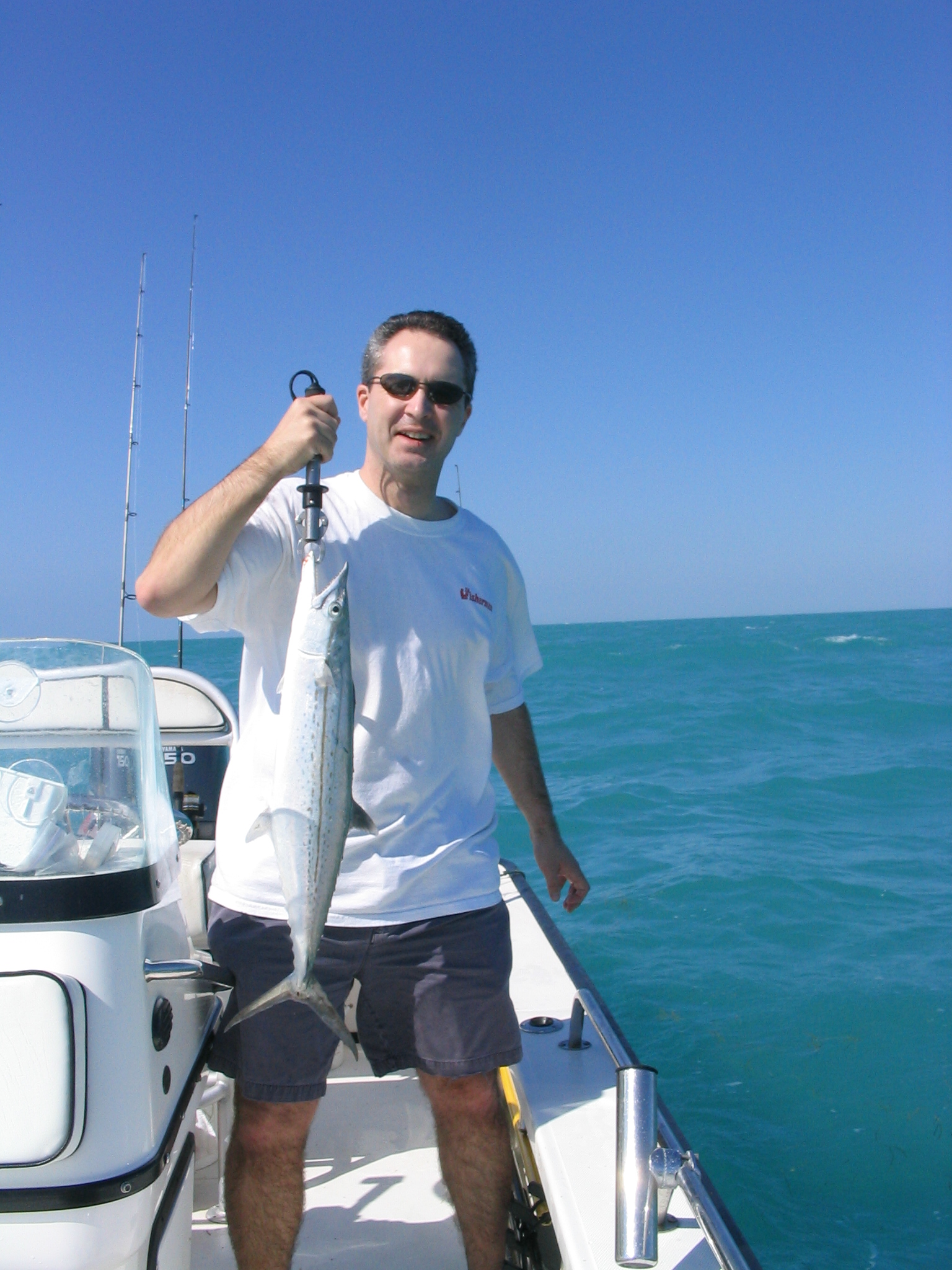
Tampa Bay is Florida’s largest open-water estuary — 400 square miles of productive fishing habitat ranging from ultra-shallow grass flats to the 40-foot depths of the main ship channel. The Sunshine Skyway Bridge pier produces some of the most accessible big-fish action in the state. Hillsborough Bay, Old Tampa Bay, and Boca Ciega Bay each hold distinct fisheries that reward anglers who understand the seasonal patterns.
Top Species in Tampa Bay
Inshore: Snook (around bridges, passes, and mangrove shorelines), tarpon (Boca Grande Pass and Tampa Bay passes in summer), redfish (grass flats and mangrove edges), spotted seatrout (grass flats), flounder, pompano, Spanish mackerel, cobia (spring), and jack crevalle.
Nearshore / Offshore: Gag grouper and red grouper on ledges 30–60 miles offshore, red snapper (summer season), king mackerel, amberjack, and mahi on offshore humps and wrecks.
Top Fishing Spots in Tampa Bay
- Sunshine Skyway Bridge: Arguably the best pier fishing in the United States. The bridge pier provides year-round access to Spanish mackerel, king mackerel, tarpon (summer), cobia (spring), snook, and sheepshead. Both the north and south piers are accessible. The North Pier is particularly productive for large snook and tarpon.
- Tampa Bay Grass Flats (Hillsborough/Manatee): Extensive shallow grass flats produce excellent redfish, seatrout, and snook sight-fishing throughout the year. The area around the Manatee River mouth is particularly productive in fall and winter.
- Terra Ceia Bay / Bishop Harbor: Shallower grass flats on the south end of the bay with excellent redfish and seatrout. Less pressure than the main bay grass flats.
- Egmont Key: The mouth of Tampa Bay offers excellent mixed-bag fishing including tarpon in summer, cobia in spring, and snook around the rocky points and channel edges. Accessible only by boat.
- Weedon Island / Old Tampa Bay: Extensive backcountry mangrove systems hold large snook year-round. Best accessed with a shallow-draft skiff.
Seasonal Fishing Calendar
Winter (December–February): Snook stack in warm water discharges from power plants — the Big Bend Power Station discharge on Apollo Beach is the most famous warm-water snook fishery in the bay. Seatrout and redfish in deeper holes and channels. Sheepshead excellent on hard structure.
Spring (March–May): Cobia migration — sight-casting to cobia following rays along the beach and inside the bay. Spanish mackerel blitzing on the surface near the passes. Snook begin moving toward the passes.
Summer (June–August): Peak tarpon season. Tarpon move through the passes and into the bay from June through August — the Skyway area consistently produces large fish. Snook spawn in June on the nearshore reefs, then return to the bay. Offshore grouper and snapper trips depart from Fort DeSoto and MacDill area.
Fall (September–November): Excellent inshore season. Redfish schooling on the grass flats. Seatrout active on grass edges. Snook feeding aggressively before water cools. Bluefish arrive on the beaches.
Fishing Licenses and Regulations
Florida saltwater license required. Snook: 28–33″ slot, 1 fish per day (Atlantic rules apply to Tampa Bay). Tarpon: catch-and-release only. Red grouper and gag grouper: 20″ minimum, 3 fish per day combined (verify current FWC regulations as seasons change). Seatrout: 15″ minimum, 4 fish per day on the Gulf coast.
Local Resources
- CB’s Saltwater Outfitters (Siesta Key/Sarasota area) — 941-349-4400
- Tampa Fishing Charters — multiple fleets operating from the Skyway, Fort DeSoto, and Clearwater
- Sunshine Skyway State Pier — no fishing license required on the state pier; bait and tackle on site
Planning a trip?
This report tells you what happened. ReelAI tells you what to do about it — a briefing for your date, your target species and how you're fishing, built from our reports plus live NOAA and USGS data.
Powered by ReelAI — fishing.digital's intelligence layer. Answers are generated from fishing.digital reports and public NOAA, NWS and USGS data, and may be incomplete or out of date. Regulations and marine safety information are summaries only; always confirm with the responsible authority before you fish.