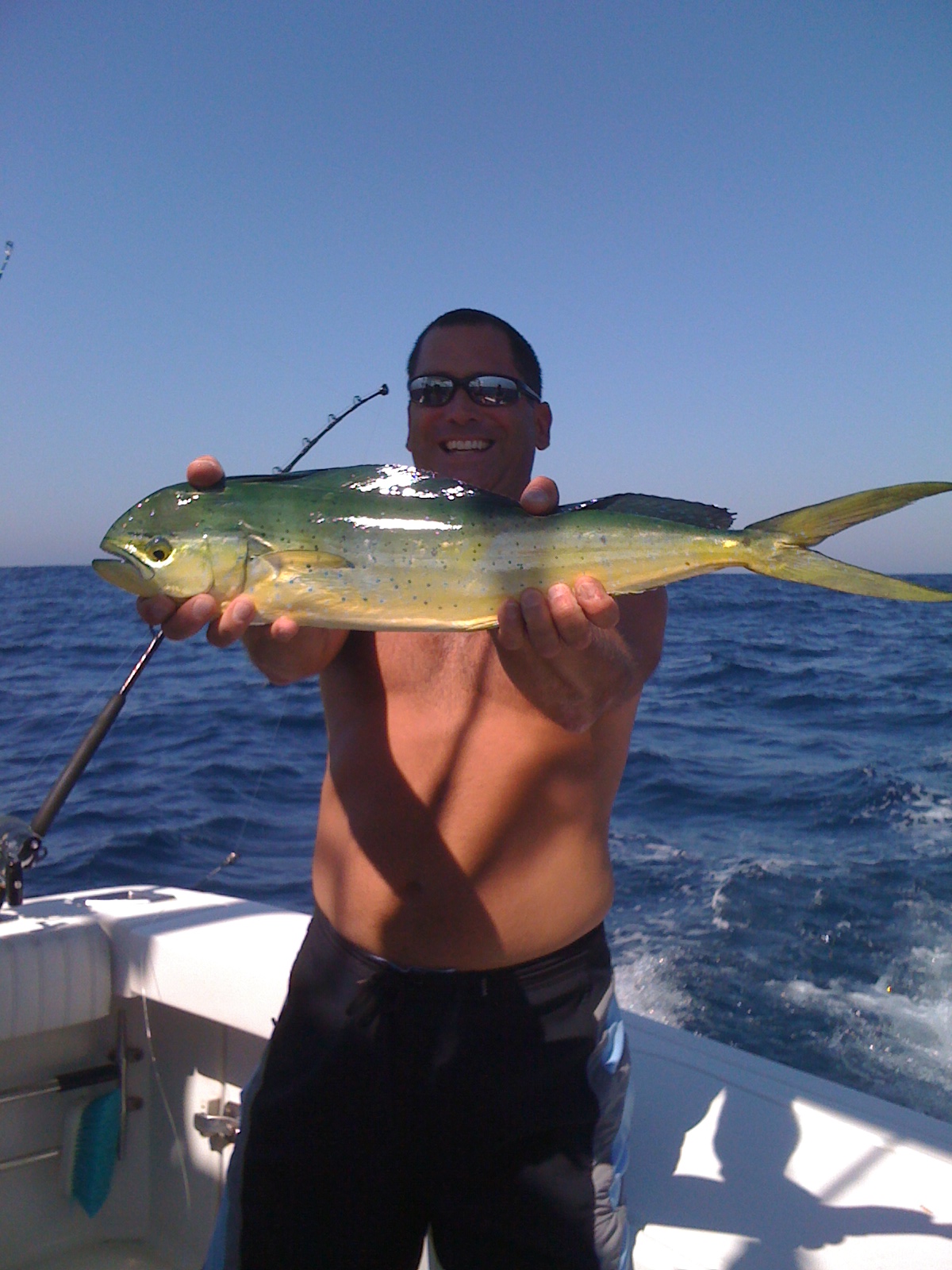
Gulf Shores and Orange Beach sit at the heart of Alabama’s 32 miles of Gulf Coast — a compact but extraordinarily productive stretch of water that consistently ranks among the top fishing destinations in the Gulf of Mexico. The area combines excellent inshore fishing in Mobile Bay, Wolf Bay, and Perdido Bay with world-class offshore action at the extensive Alabama artificial reef system, one of the largest in the Gulf. For anglers who want the full Gulf Coast experience without the crowds of Florida’s most popular ports, Gulf Shores delivers.
Top Species at Gulf Shores and Orange Beach
| Species | Peak Season | Key Location |
|---|---|---|
| Red Snapper | Federal season June–August | Offshore artificial reefs, 30–120 ft |
| Amberjack | Year-round (season restrictions apply) | Deep artificial reefs, 60–150 ft |
| Redfish | Year-round (peaks spring/fall) | Perdido Bay, Wolf Bay, inshore grass flats |
| Speckled Trout | October–March | Perdido Bay and Mobile Bay grass edges |
| Cobia | March–May | Offshore buoys and rigs, following rays nearshore |
| King Mackerel | April–October | Nearshore reefs and offshore structure |
| Pompano | March–May, September–November | Gulf Shores surf, beach passes |
| Flounder | October–November | Passes and bay channels |
| Tripletail | May–September | Floating debris, crab trap floats, buoys |
The Alabama Artificial Reef System — A Game Changer
Alabama has invested more in offshore artificial reef development than any other Gulf state — the system encompasses thousands of individual structures from nearshore in 30 feet of water to offshore in 150+ feet, creating one of the most productive offshore fisheries on the entire Gulf Coast. The structures include everything from purposely sunk ships and oil platforms to tire reefs, concrete structures, and specially designed fish aggregating devices. Alabama’s reef systems consistently produce the highest red snapper catch rates in the Gulf.
GPS coordinates for Alabama’s public artificial reefs are available from the Alabama Department of Conservation and Natural Resources at dcnr.alabama.gov. The most heavily fished nearshore reefs include structures at 30–60 feet within 15 miles of Orange Beach; offshore “deep” reefs at 80–120+ feet hold the largest red snapper and amberjack.
Inshore Fishing — Perdido Bay and Mobile Bay
Redfish
Perdido Bay — the body of water separating Alabama from Florida — and its tributaries hold excellent redfish populations year-round. Fish average 18–26 inches (comfortably within Alabama’s 16–26″ slot limit) with larger bulls showing in fall. The grass flats of Wolf Bay, Cotton Bayou, and Terry Cove are the most consistent inshore redfish areas. Gold spoons and topwater lures at dawn produce the most exciting fishing; soft plastic paddle tails on jig heads work throughout the day.
Speckled Trout
Speckled trout are at their best in the cooler months — October through March — when fish concentrate on the deeper grass edges and channel drops of Perdido Bay and the back bays. Soft plastic shrimp imitations under a popping cork (the “Arkansas Rig”) is the standard Gulf Coast trout technique; work it slowly through 4–8 foot grass with long pauses between pops.
Flounder
The fall flounder migration through the Gulf Shores passes (Perdido Pass and the Intracoastal cuts) is one of Alabama’s most anticipated annual fishing events. Fish stack in the cuts as water cools in October and November — jigs with curly-tail grubs in white or chartreuse fished on the bottom produce excellent flounder in these areas.
Offshore Fishing — Red Snapper Season
The federal red snapper season — typically announced in late spring for the coming summer — is the most important offshore event on the Gulf Shores calendar. When open, multiple fish per angler per day on the Alabama reefs with fish averaging 14–22 inches makes for some of the most productive bottom fishing in the country. Live pinfish, cut croaker, and squid all produce red snapper on the reefs; bottom rigs with 4–6 oz bank sinkers and 2/0–4/0 hooks are standard.
Surf Fishing at Gulf Shores
The public beaches of Gulf Shores State Park and the Orange Beach city beaches offer excellent pompano fishing in spring and fall. Sand crabs (dug from the swash zone at low tide), fresh shrimp on a two-hook pompano rig in the first trough — this is the Gulf Coast surf fishing formula, and it works consistently at Gulf Shores from March through May and again September through November. Whiting (Virginia mullet), jack crevalle, and occasional redfish are bonus species from the Gulf Shores surf.
Fishing Licenses and Regulations
Alabama saltwater fishing license: available at adcnr.alabama.gov or at most sporting goods stores. Non-resident annual: ~$42. Red snapper season dates: announced annually by NOAA; check fisheries.noaa.gov before offshore trips. Alabama state waters red snapper (within 9 nautical miles): open year-round for a short additional season — check ADCNR for current state-water red snapper season dates.
Gulf Shores Charter Fleet
Orange Beach and Gulf Shores host one of the most active charter fishing fleets on the Northern Gulf Coast. Full-day and half-day offshore trips for red snapper, amberjack, and king mackerel depart from Orange Beach Marina, Perdido Pass Marina, and Gulf Shores Marina. Inshore trips for redfish, trout, and flounder are available year-round from multiple guide services based in Perdido Bay and Wolf Bay.
Part of: Location Fishing Guides · Fishing Guides & Reports
Planning a trip?
This report tells you what happened. ReelAI tells you what to do about it — a briefing for your date, your target species and how you're fishing, built from our reports plus live NOAA and USGS data.
Powered by ReelAI — fishing.digital's intelligence layer. Answers are generated from fishing.digital reports and public NOAA, NWS and USGS data, and may be incomplete or out of date. Regulations and marine safety information are summaries only; always confirm with the responsible authority before you fish.