
Anglers along the Gulf and Atlantic coasts learn quickly that a cold front can change fishing overnight. One day the flats are full of active fish, and after a strong front the same water can seem empty. The fish have not gone anywhere; they have changed where they sit and how they feed. Understanding these shifts, and adjusting, is the key to winter inshore fishing.
What a Cold Front Does
A front brings falling and then rising barometric pressure, a wind shift (usually to the north or northwest), clear skies and a drop in air and water temperature. Shallow water cools fastest, so fish that were on the flats move to deeper or more stable water. Strong winds can also muddy water and push tides out of their normal cycle, with extra-low tides on north winds along many coasts.
The Three Stages
Before the Front
Falling pressure and warm, humid air often trigger a feeding spree. Fish gorge ahead of the weather, and this is a good time to fish if conditions are safe.
During the Front
Strong wind and rapid change can make fishing tough and unsafe. Wind-blown, muddy water can also shut things down for a day.
After the Front
The first day or two of bright, cold, high-pressure weather is the slowest, but the bite recovers as conditions stabilize. A few days into a stable stretch, fish often feed again, especially in the afternoon after the water has warmed.
Where Fish Go
Look for places where water stays warmer or the temperature is more stable. Deep holes, channels and creek bends hold heat longer than shallow flats. Dark mud bottoms absorb sun and warm up faster than white sand, so a mud flat next to deep water can be the best place to fish on a sunny afternoon. Canals, backwaters, and areas near power plant discharges or springs where water stays warm hold fish too. South-facing banks and wind-protected shorelines also warm quickly.
Species by Species
Redfish
Reds often school in deeper holes, creek mouths and the edges of channels after a front. In shallow marsh ponds with dark bottoms, they may come up to bask on sunny days. Fish slowly with cut bait, a soft plastic on a jighead or a gold spoon worked along the bottom. See How to Catch Redfish.
Speckled Trout
Trout move to deeper channels and holes with soft bottoms. A slow-sinking soft plastic or suspending twitchbait fished with long pauses can draw bites when a fast retrieve gets ignored. See How to Catch Spotted Seatrout.
Sheepshead
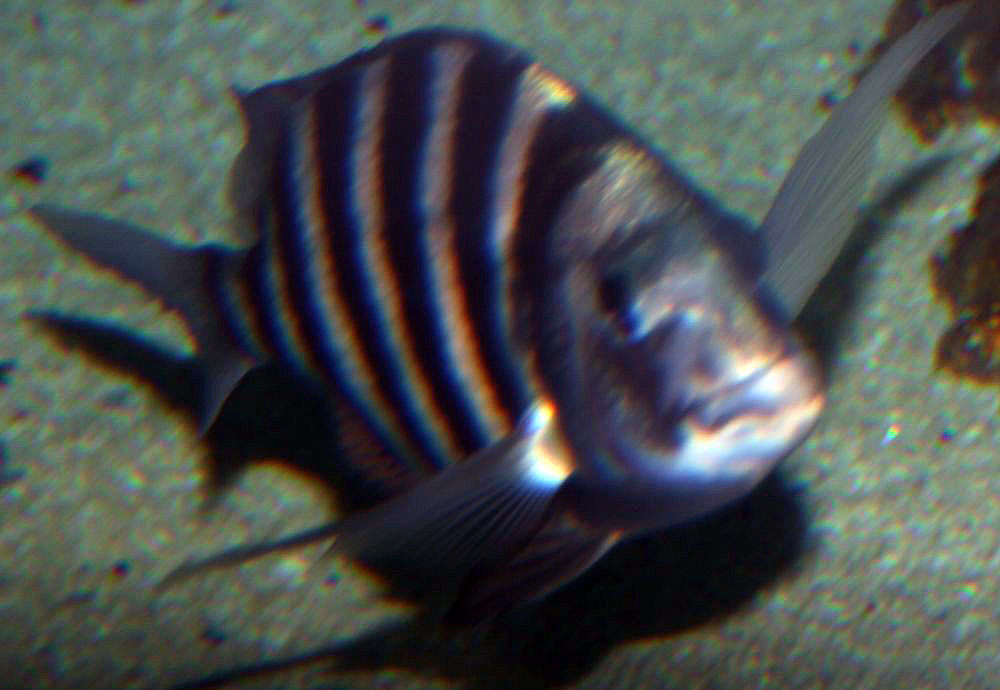
Sheepshead are a cold-weather favorite, gathering around bridges, docks, jetties and oyster bars in winter. Fresh fiddler crabs or shrimp on a small, strong hook, fished tight to the structure, are standard. See How to Catch Sheepshead.
Snook
Snook are the most cold-sensitive of the group. When water temperatures drop, they move into rivers, canals, creeks and warm backwaters, and can be stunned or killed in extreme cold. Be careful with them in cold snaps, and follow state rules, which often include seasonal closures. See How to Catch Snook.
Presentation: Slow Down
Fish are cold-blooded, so their metabolism slows in cold water. Use smaller baits, slower retrieves and long pauses. Let a jig sit on the bottom, then crawl it a few inches. Use live or cut bait when lures fail, and fish them without hurry. Lighter leaders, such as 15 to 20 pound fluorocarbon, give you more bites in clear, cold water, which is often very clear after a front.
Timing
Fish the warmest part of the day, usually late morning through mid-afternoon. A rising tide with sun on the water often turns fish on. Check the forecast for stable weather windows, and avoid fishing during the worst wind. Safety on the water matters more in winter: cold water, cold air and strong wind make for dangerous conditions in small boats. Wear a life jacket, dress in layers, and watch the sky.
Quick Checklist
- Find deeper water or dark-bottom flats near warm water.
- Slow down your presentation.
- Fish the warmest part of the afternoon.
- Use lighter leaders in clear water.
- Go after sheepshead and reds when snook shut down.
For regional winter conditions, see our weekly Stuart, Jacksonville and Tampa Bay fishing reports.
Dennis Suler is a career outdoors writer and lifelong angler. He spent six years on the editorial staff of The Fisherman magazine as a field editor and managing editor — first editing the New Jersey reports section, then managing editor of the Mid-Atlantic edition. He also served as managing editor of Boater’s Digest magazine. He’s a member of the Outdoor Writers Association of America and writes for fishing.digital — covering 40+ U.S. fishing destinations with weekly reports, location guides, and feature articles.
Planning a trip to Saltwater Fishing?
This report tells you what happened. ReelAI tells you what to do about it — a briefing for your date, your target species and how you're fishing, built from our reports plus live NOAA and USGS data.
Powered by ReelAI — fishing.digital's intelligence layer. Answers are generated from fishing.digital reports and public NOAA, NWS and USGS data, and may be incomplete or out of date. Regulations and marine safety information are summaries only; always confirm with the responsible authority before you fish.