Updated: Thursday, November 19, 2026 · Next update: Thursday, November 26, 2026
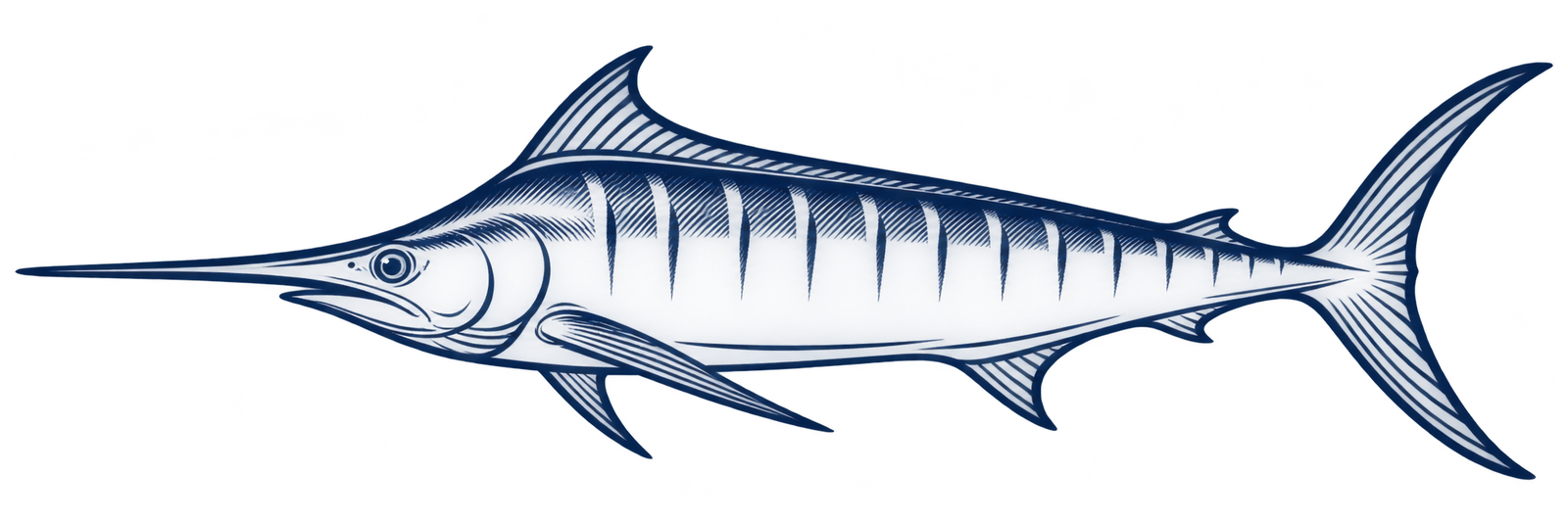
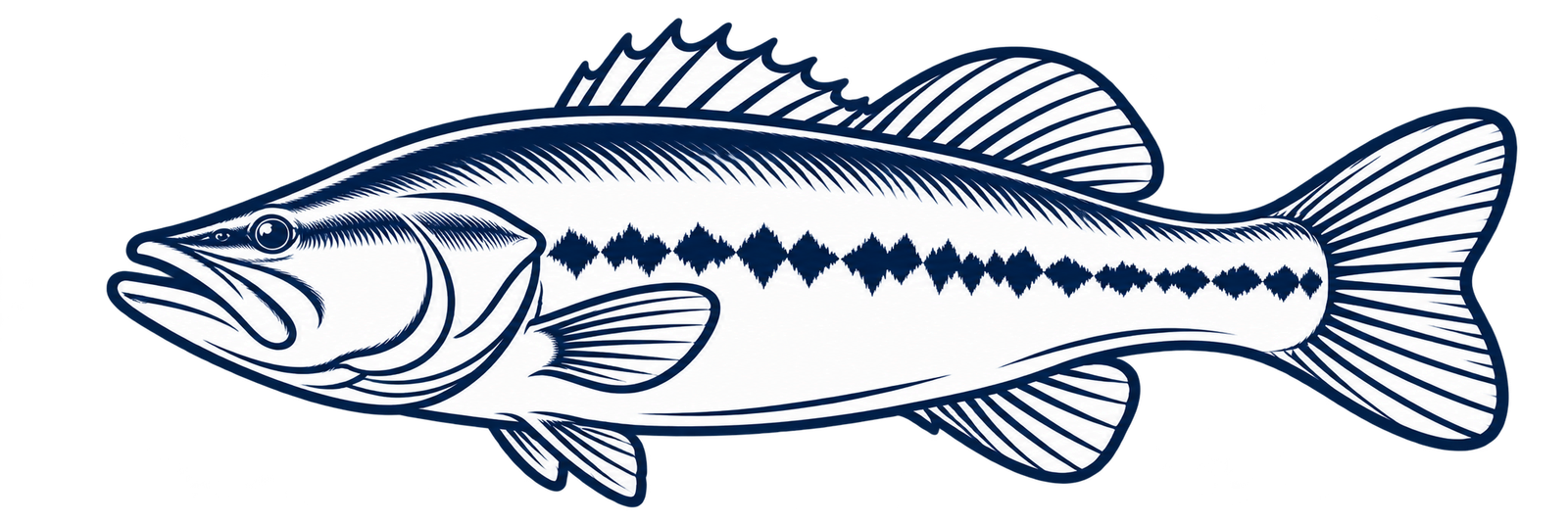
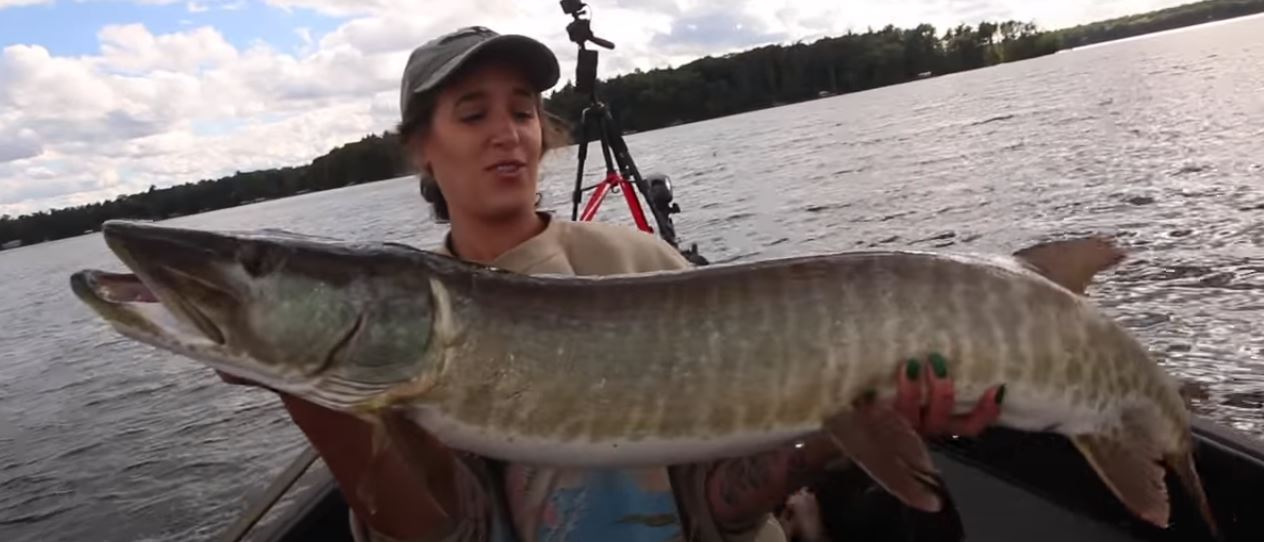
This Thousand Islands fishing report is a seasonal outlook for the week of November 19, built from late-fall patterns rather than verified catches. Late November on the St. Lawrence River brings colder water, short days and frequent wind, with the season winding down for many marinas. Northern pike feed hard in weedy bays ahead of ice, black crappie gather in sheltered bays and boat basins, and trophy musky hunters work the final weeks of the season. Wind and falling water temperatures are the key variables.
What’s Hitting
Northern pike are among the most reliable targets, feeding aggressively along weed edges and in bays as the water cools. Black crappie school in sheltered bays, marinas and backwaters in late fall, often suspending near cover or deeper holes. Trophy muskellunge remain the headline for dedicated anglers, as some of the largest fish of the year are caught late in the season while they feed to build winter reserves. Yellow perch continue to school on deeper flats. Walleye feed along drop-offs and current seams, especially at dusk and on overcast days. Smallmouth bass have moved to deeper water and slow down as the river cools.
Where to Find Them
Pike are found in weedy bays such as Chippewa Bay, Goose Bay and the bays near Clayton and Alexandria Bay. Crappie gather in sheltered backwaters, boat basins and creek mouths, including French Creek near Clayton. Musky anglers troll deep weed edges, current breaks and drop-offs along the American channel and near shoals between Clayton and Alexandria Bay. Perch hold on deeper flats near the islands, while walleye feed along drop-offs near shoals and current breaks in the main river channels. Sheltered channels behind the larger islands, including those near Wellesley Island, offer fishable water on windy days. Grindstone Island’s bays also hold pike.
Tides & Conditions
The St. Lawrence has no tides, but strong river current shapes where fish hold, and the moon reaches full on November 24, with low-light periods around dawn and dusk remaining important. Wind is the key variable, as strong westerly winds blowing against the current can create rough conditions in open channels, while bays stay more protected. Falling water temperatures slow fish metabolism, so expect better action on milder days and before fronts. Cold-water safety is critical this time of year.
Tackle & Tactics
For musky, troll large crankbaits or swim big glide baits and bucktails on heavy rods with 80- to 100-pound braid and a heavy fluorocarbon or wire leader, and always finish casts with a figure-eight. For pike, use spinnerbaits, swimbaits or large jerkbaits on medium-heavy gear with a leader. For crappie, use a light spinning rod with small jigs or minnows under a slip float. For perch, use small jigs tipped with minnows. Dress warmly and wear a PFD. Bring a long-nose pliers, jaw spreaders and a large cradle or net for safe musky release.
Local Intel This Week
The French Creek boat launch near Clayton offers public access to French Creek and the main river, and Kring Point State Park near Alexandria Bay has a launch near Goose Bay. Cedar Point State Park near Clayton also provides river access. Many marinas and state park facilities close or reduce services for the season, so call ahead before launching. Check current state and federal regulations and seasons before keeping fish, especially musky size limits and the season’s closing date. Read our figure-8 musky guide before your trip. Over Thanksgiving weekend, launches can be quiet and help can be far away, so share your float plan and expected return time with someone onshore.
This Week’s Tip
Mix musky trips with pike and crappie. Spend the first and last hours of light trolling or casting for musky, then use the midday hours to target pike or crappie in sheltered bays where the sun warms the shallows. Keep a close eye on the wind forecast.
Planning a trip to Thousand Islands NY?
This report tells you what happened. ReelAI tells you what to do about it — a briefing for your date, your target species and how you're fishing, built from our reports plus live NOAA and USGS data.
Powered by ReelAI — fishing.digital's intelligence layer. Answers are generated from fishing.digital reports and public NOAA, NWS and USGS data, and may be incomplete or out of date. Regulations and marine safety information are summaries only; always confirm with the responsible authority before you fish.